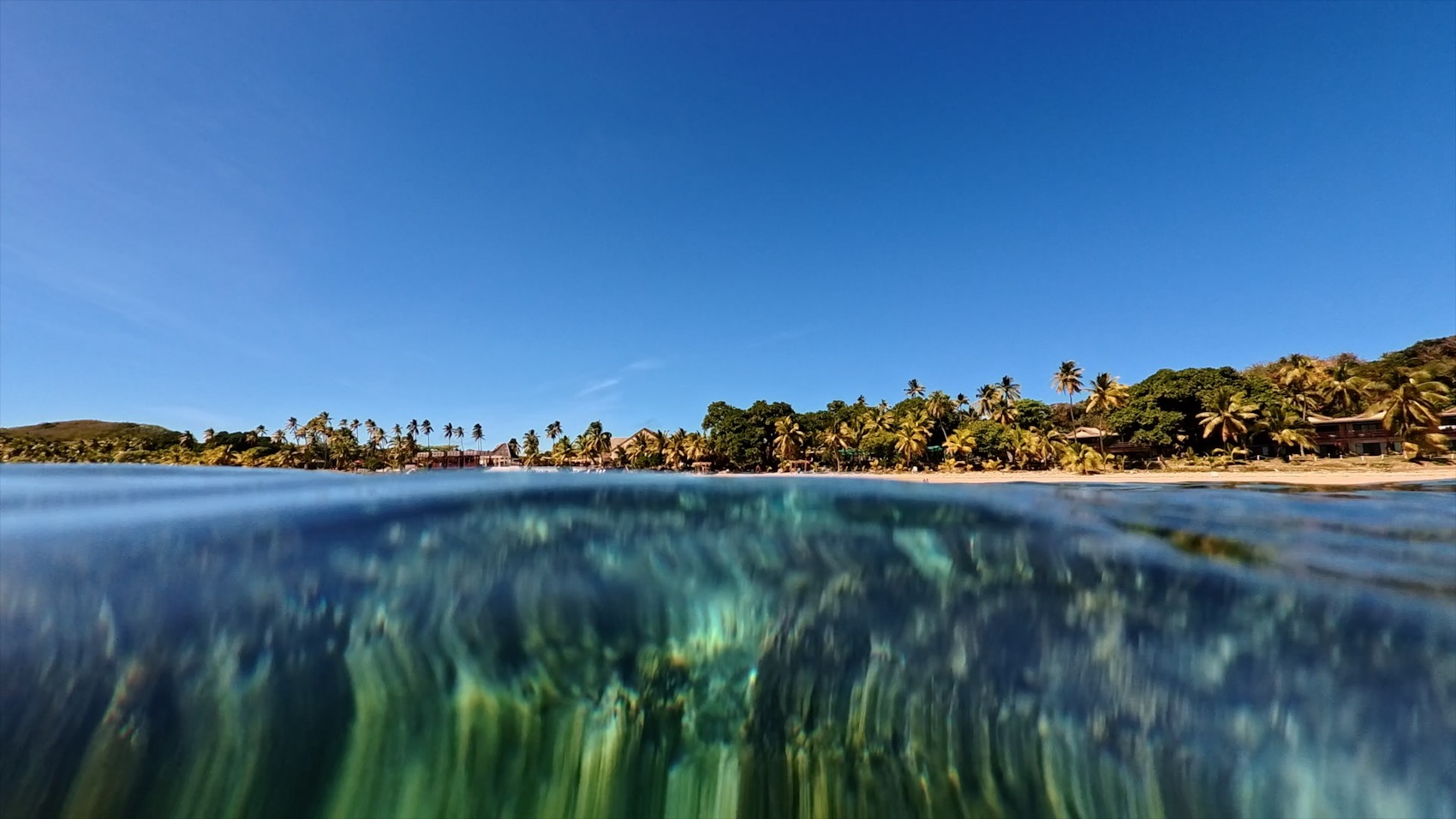
Fiji Surf Trip Guide: Best Breaks, Stays & Tips
Everything for a Fiji surf trip: where to stay near Cloudbreak and Restaurants, what to pack, must-try Fijian food, and insider tips from surfers who've been many times.
Some links on this page are affiliate links. If you buy through them we may earn a small commission, at no extra cost to you — it never affects our verdict. How we make money.
In this article, you'll learn
- What to pack for a Fiji surf trip, from boards to reef-safe sunscreen
- Which resorts suit surf-focused, family, or budget travelers
- Where to surf Fiji's best breaks, including Cloudbreak and Restaurants
- What food to try and how to fill flat-surf days
Fiji is the ultimate paradise for surfers. It's more accessible than the Maldives, safer than Indonesia, more natural than Oahu, and more consistent than most of the other Pacific islands.
The Fijian archipelago is home to just under a million mostly smiling people who are spread across 333 glorious islands smack bang in the middle of the warm Pacific Ocean. This place needs no introduction if you're a surfer. You've all seen Kelly weave through perfect Cloudbreak barrels, or watched footage of Restaurants (the break in front of Tavarua Island) firing on all cylinders. The surf breaks around Tavarua and Namotu are the ultimate surfing playground but there are more spots for those who dare to explore...
Whether you've been there a hundred times or Fiji is a bucket list destination, this article will help you gear up and prepare for a trip of a lifetime. Beyond the lineup, you’ll find culture, breathtaking landscapes, coral reefs teeming with colorful fish, and memories that will stick with you long after the tan fades. Having been there many, many times — both for surfing, adventure, and leisure — we hope we can provide some pointers that will help you on your journey. Bula!
1. What to Pack
Fiji is tropical, yes — but that doesn't mean a swimsuit and surfboard are all you need. Pack smart and you’ll make your trip a whole lot more comfortable. Here’s what we always throw in our bags for a surf and adventure trip:
Surfboards: Bring a couple of boards so you’re covered for different conditions. And don’t forget accessories — repair kit, wax, fins, leashes, and a fin key. In terms of boards, unless you're a serious charger, you might want a few more liters to help you paddle into fast-breaking waves.
Surf Gear: Early mornings can still have a chill, so a 1 or 2mm rash guard can keep you comfortable. Some surfers even bring a spring suit for warmth and reef protection. Brad swears by his hooded rash guard from Florence Marine X, paired with Xcel Drylock boardshorts or Outerknown Apex Evolution Trunk — solid sun protection and built for performance. Geniya’s go-to is Sumarpo swimwear, made from eco Yulex neoprene. It’s flexible, comfy, and feels like it was designed with surfers in mind.
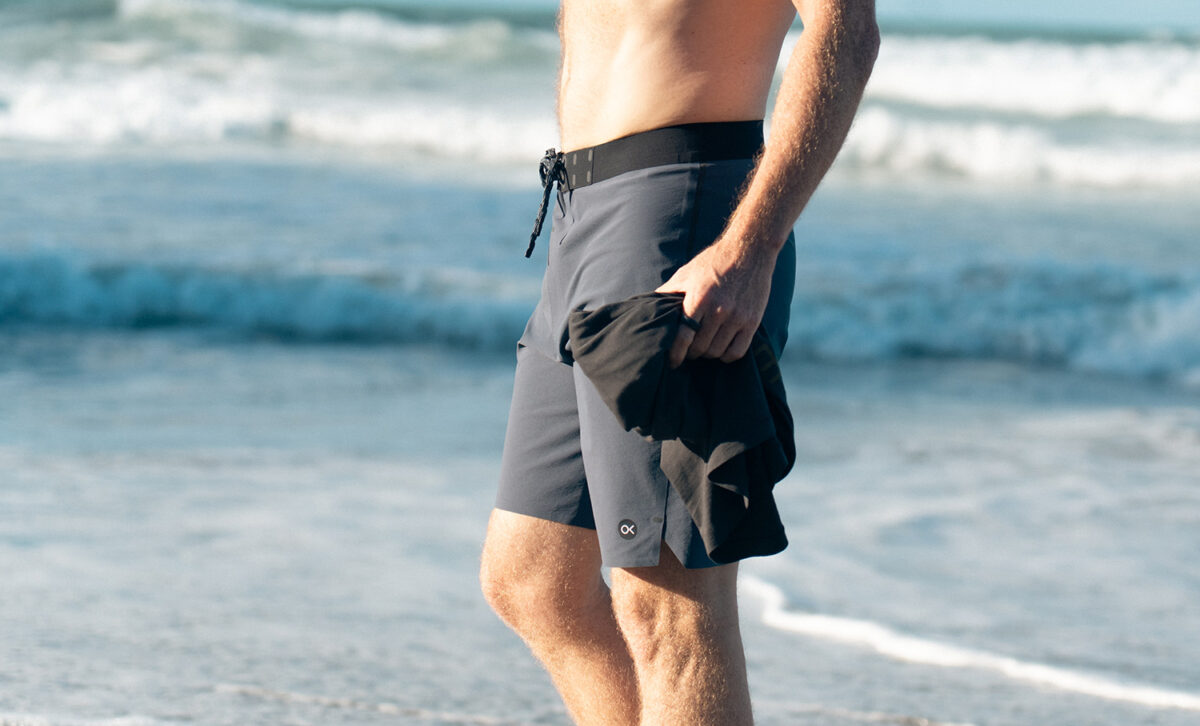
Brad is wearing the Outerknown Apex Evolution Trunk by Kelly Slater
Snorkeling Gear: Mask and fins are a must if you don’t want to miss out on Fiji’s underwater world. We love silicone masks for their snug fit, though they do fog up (bring anti-fog spray). Pro tip from Brad: if you’ve got a mustache, wipe a bunch of lip balm along the hairline — it actually works to stop leaks. Spit into your mask for anti-fog support or allow a little water to seep in and do the "windscreen wiper" by nodding up and down to de-mist the glass. We're yet to find the perfect snorkelling mask, even when we opt for expensive models. Maybe its us.
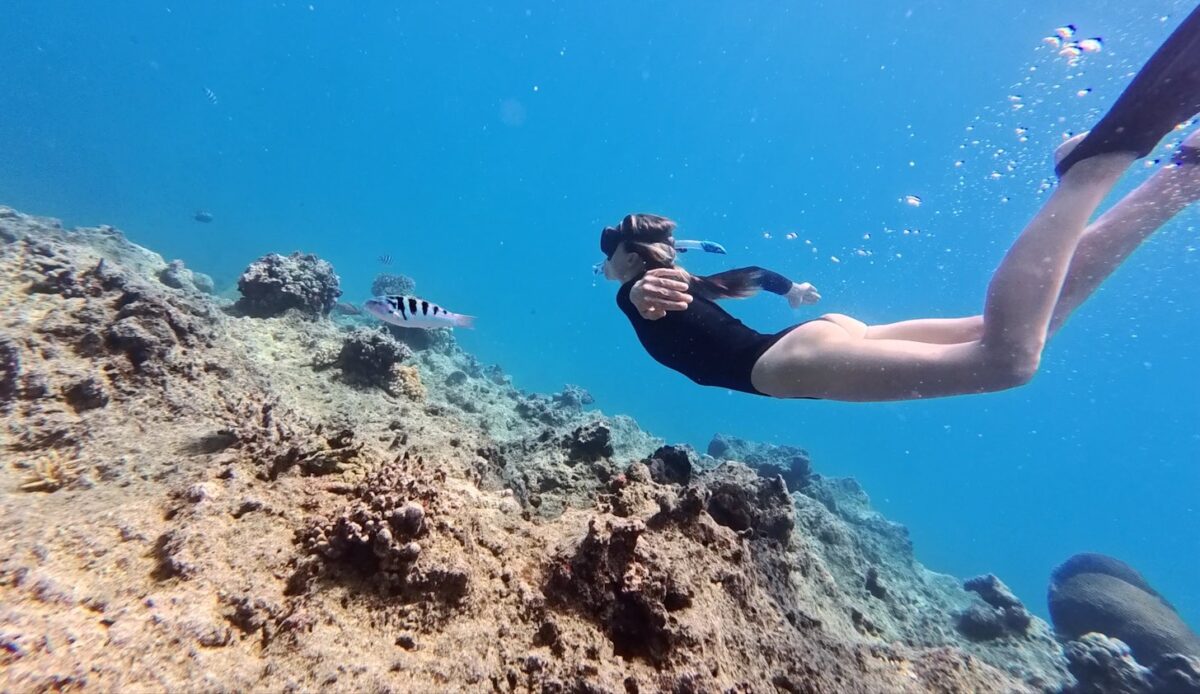
Geniya is wearing a Sumarpo swimsuit
Sun Protection: Sunscreen is absolutely non-negotiable. For our most recent trip, we packed the epic Reef Safe Zinc Hydrating Sunscreen in the tinted version for all-over coverage, and Sun Bum Signature Mineral Face Stick is our go-to in the surf. Hats are a close second: a bucket hat for beach days, and Kaiola’s wide-brimmed surf hat for those long sessions under the tropical sun. Sunglasses are a must too — our favorites are Otis and Vallon (Brad wearing his Vallon Ventures in Sage on the boat in the photo below).

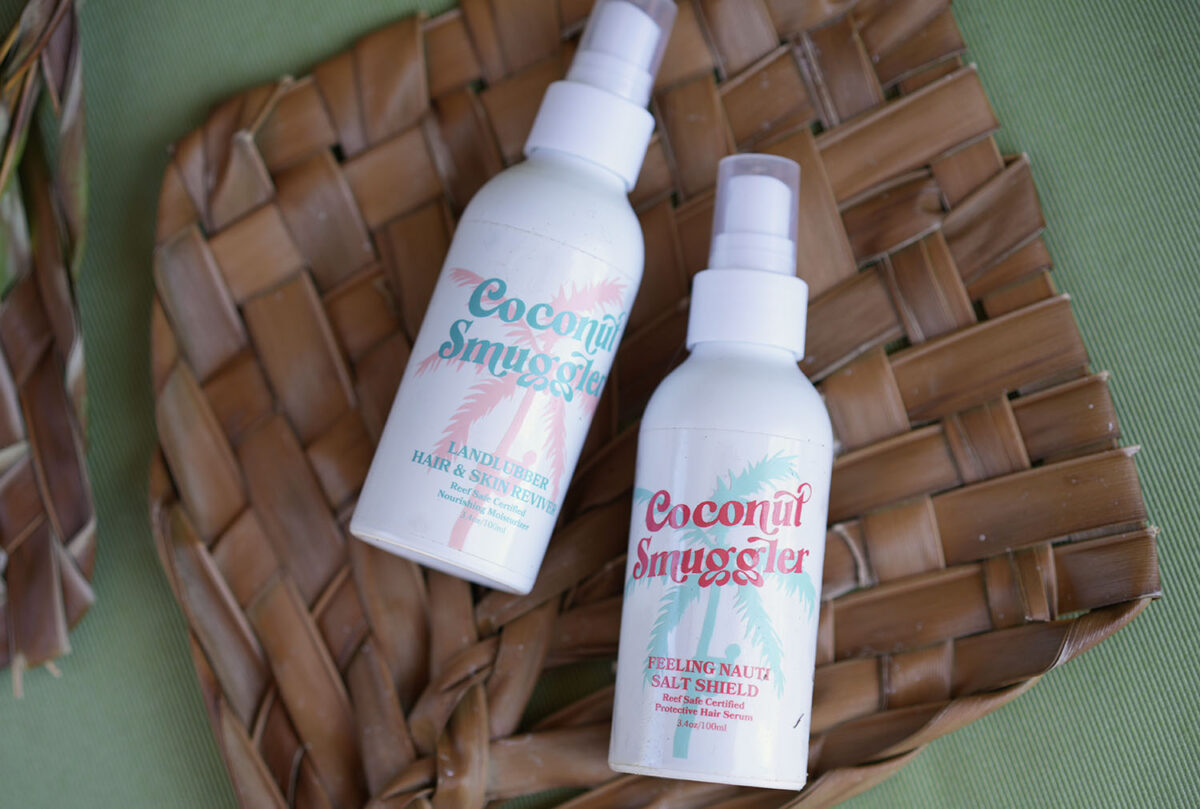
After-Sun Care: Even with all that sunscreen, sometimes the sun still wins. Lotions with aloe, calendula, or chamomile are lifesavers for calming and hydrating sun-kissed skin. And if you want to spoil yourself a little, Coconut Smuggler’s spray is magic — it keeps both hair and skin happy after hours in the saltwater. Have a shower, mist yourself down with the "hair and skin reviver," and you feel completely renewed.
Clothing: Light, breathable fabrics for the hot days, plus a couple of layers for cooler evenings. Think linen shirts and lightweight hoodies — perfect for casual dinners or sunset walks on the beach. You wouldn't think it but on rainy days or evenings, when the fruit bats start to circle, the temp can dip to a cool 20 degrees. Sounds warm but you're on an island in the middle of the ocean and the wind can chill.
Waterproof Bag: If there’s one thing you’ll be grateful for, it’s a waterproof bag. Electronics, cameras, passports — all safe. We loved the Orca Wetbag that comes with the Explorer backpack. The backpack itself was a game changer on the plane (padded laptop sleeve, organized compartments) and out on the boat — we used the little zip pouch for stashing sunscreen and wax away from the sun.
Insect Repellent: Fiji’s mosquitoes can be annoying. Pack a repellent that’s gentle on skin but actually works — especially for evening beach hangs or forest walks. We use a natural spray product called Bug-Grrr Off, and it works great! Much better than toxic repellents, especially those containing DEET.
Travel Essentials: Passport, travel insurance, and a small first-aid kit. Not exciting, but trust us — when you’ve got a reef scrape, you’ll be glad you packed the Betadine and some dressings.
Waterproof Camera: Fiji’s water is ridiculously clear — like, screensaver-clear. A waterproof camera is worth it for the memories alone. We tested the Insta360 Ace Pro 2, which is brilliant for vlogging and underwater filming. Check out our footage in the video below.
2. Where to Stay
Fiji has stays for every style and budget — from exclusive surf islands to family-friendly resorts and laid-back surf lodges:
Tavarua & Namotu Island Resorts: The ultimate picks for surfers. These tiny islands are completely dedicated to waves and water. Tavarua (where we stayed a few years ago) feels like your own private surf kingdom, with just one resort on the island and Cloudbreak, Swimming Pools and Restaurants breaking right out front. Namotu offers a similar setup with a boutique, slightly more laid-back vibe. If surfing is your #1 reason for coming to Fiji, these are the spots. However, you'll need to splash some ca$h to spend a few nights here! Best of all you get access to boats on tap, which are an expensive add-on at other resorts.
Plantation Island Resort: A fantastic option for families. We stayed here as well, and it’s packed with activities for kids: a kids’ club, water slides right in front of the hotel, plus endless games and adventures to keep little ones entertained. For surfers, boats head out to nearby breaks (like Wilkes, Swimming Pools, and Namotu Lefts) for an extra fee — so you can sneak in surf sessions while the kids are occupied.
Funky Fish Beach & Surf Resort: A more budget-friendly option for surfers and backpackers. Located in the Mamanuca Islands not far from Nadi, Funky Fish has a relaxed, social vibe and daily surf boat transfers to breaks like Wilkes, Cloudbreak, and Namotu Lefts. Perfect if you’re chasing waves without splurging on a private island resort.
Resorts & luxury villas: Think Six Senses Fiji, Likuliku Lagoon Resort, or Kokomo Private Island. Perfect if you want white-sand beaches, infinity pools, spa treatments, and a mix of surfing and serious downtime. You can organize surf trips by speed boat but bank on $200 (Fijian) per trip, often with a minimum of two paying passengers.
Surf lodges & boutique hotels: Options like Matanivusi Surf Resort (Viti Levu’s Coral Coast) or Waidroka Bay Surf & Dive Resort give you an intimate surf-centric experience with easy access to waves and a social, like-minded vibe.
Airbnb & local stays: From beachside bungalows in the Mamanucas to family-run homestays near Suva, Airbnbs are a great way to get immersed in local Fijian life while keeping things budget-friendly.
Tip: Fiji is popular year-round, but if you’re heading over in peak surf season or during school holidays, book early. The best spots tend to fill up fast.
3. Best Surf Spots
Fiji is legendary in the surf world — and for good reason. From heavy reef breaks that test your limits to mellow walls made for cruising, there’s something here for every style and skill level. A few standouts:
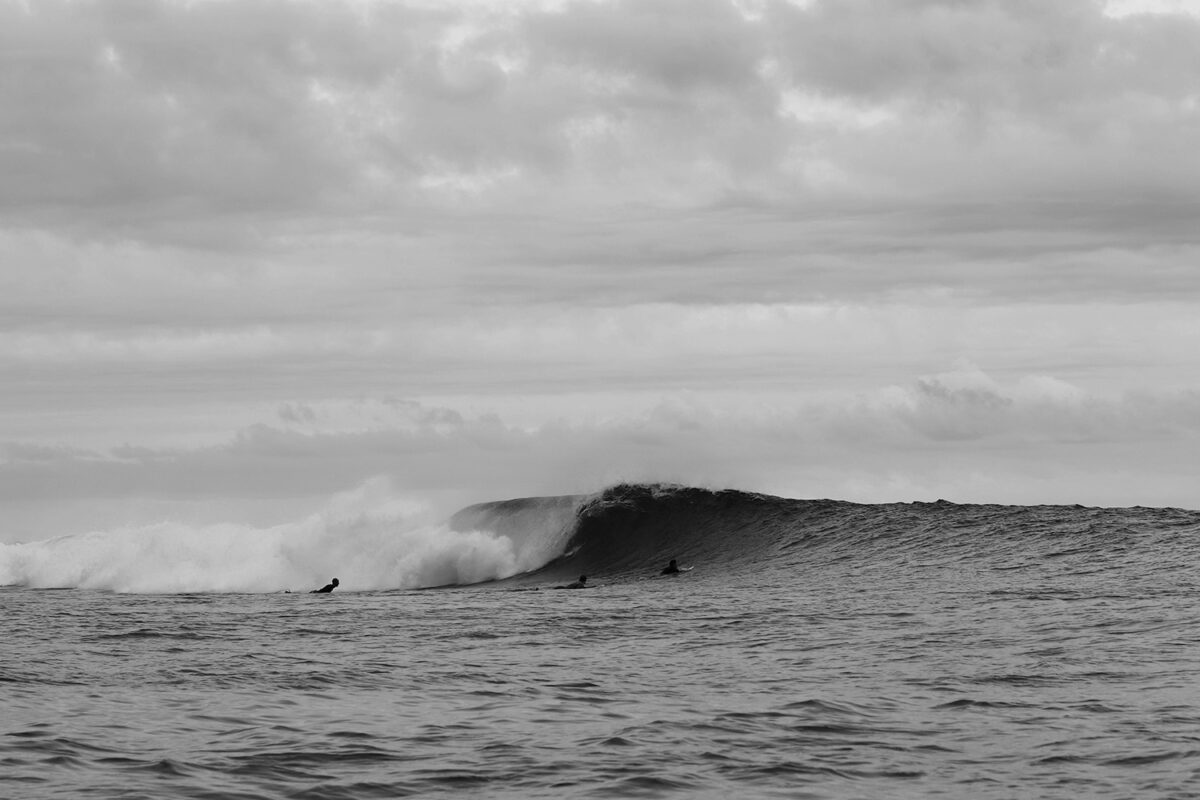
Cloudbreak: The crown jewel of Fiji surfing. This is a powerful, world-class left that breaks over shallow reef. It’s beautiful, it’s heavy, and it’s definitely best left to experienced surfers.
Restaurants: A playful left-hander that peels right in front of Tavarua Island. It’s closer to shore and more forgiving than Cloudbreak, making it a dream for confident intermediates.
Swimming Pools: Just near Tavarua, this mellow reef break is perfect if you’re new to reef surfing or just want something cruisy and fun.
Tavarua Lefts & Wilkes Pass: Consistent reef breaks around Tavarua and Namotu, serving up long, fast walls that absolutely light up when the swell lines up.
Namotu Left: A dreamy, peeling left that’s as fun as it is photogenic. Namotu is famous for these waves — long, smooth rides you’ll replay in your head for weeks.
Frigates: An epic left-hander breaking in deep water. Find out more about waves in that vicinity here.
Local Hidden Gems: Chat with the locals or your surf lodge crew. They’ll often point you toward uncrowded treasures tucked away from the main reef passes — spots you won’t find in guidebooks.
Tip: Set your alarm. Early mornings mean glassy conditions, lighter winds, and fewer crowds — your best chance to score something unforgettable.
4. Must-Try Cuisine
Fijian food is all about fresh, tropical flavors and traditions that bring people together. A few things you can’t miss:
Kokoda: Fiji’s version of ceviche — raw fish cured in lime juice and mixed with coconut cream, onions, and chilies. Refreshing, zesty, and perfect after a surf.
Lovo: A traditional island feast where meats, seafood, and veggies are slow-cooked underground on hot stones, wrapped in banana leaves. Smoky, tender, and unforgettable.
Taro & Cassava: Staple root vegetables served with just about everything — hearty, filling, and a taste of true Fijian comfort food.
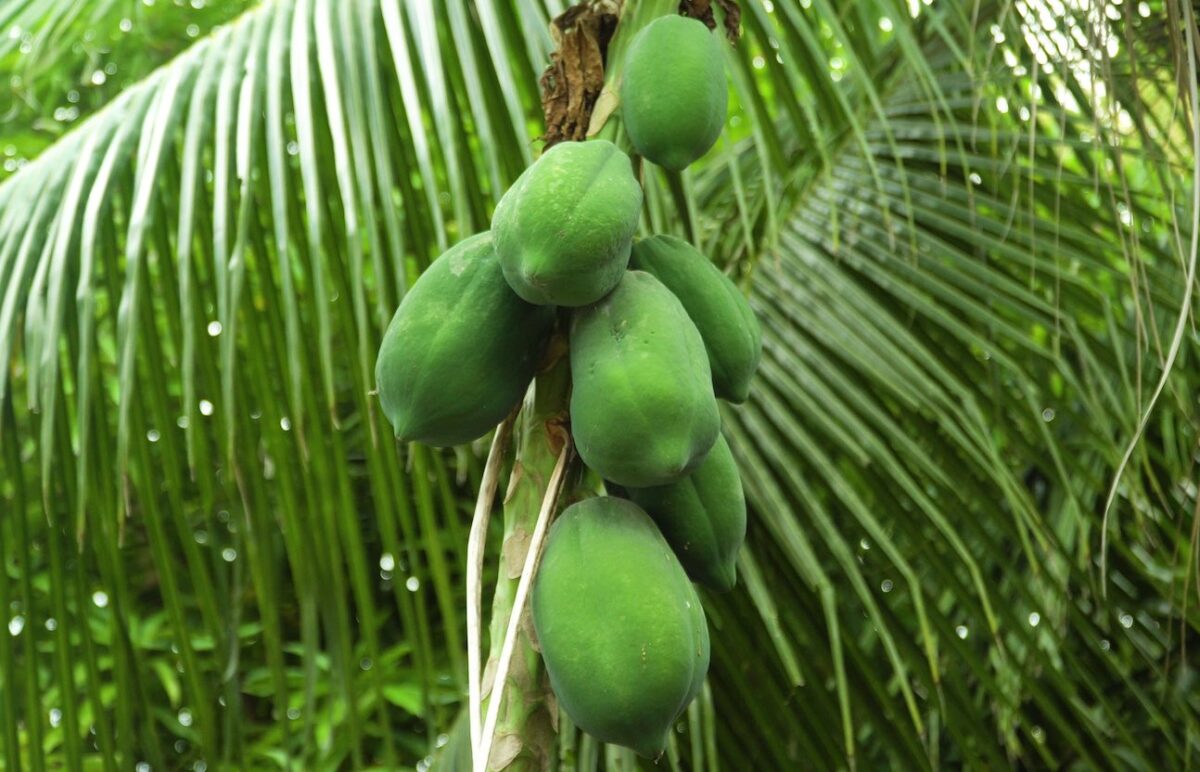
Fresh Tropical Fruits: Mangoes, papayas, pineapples, and bananas that taste like sunshine. Grab them at markets or straight from a tree.
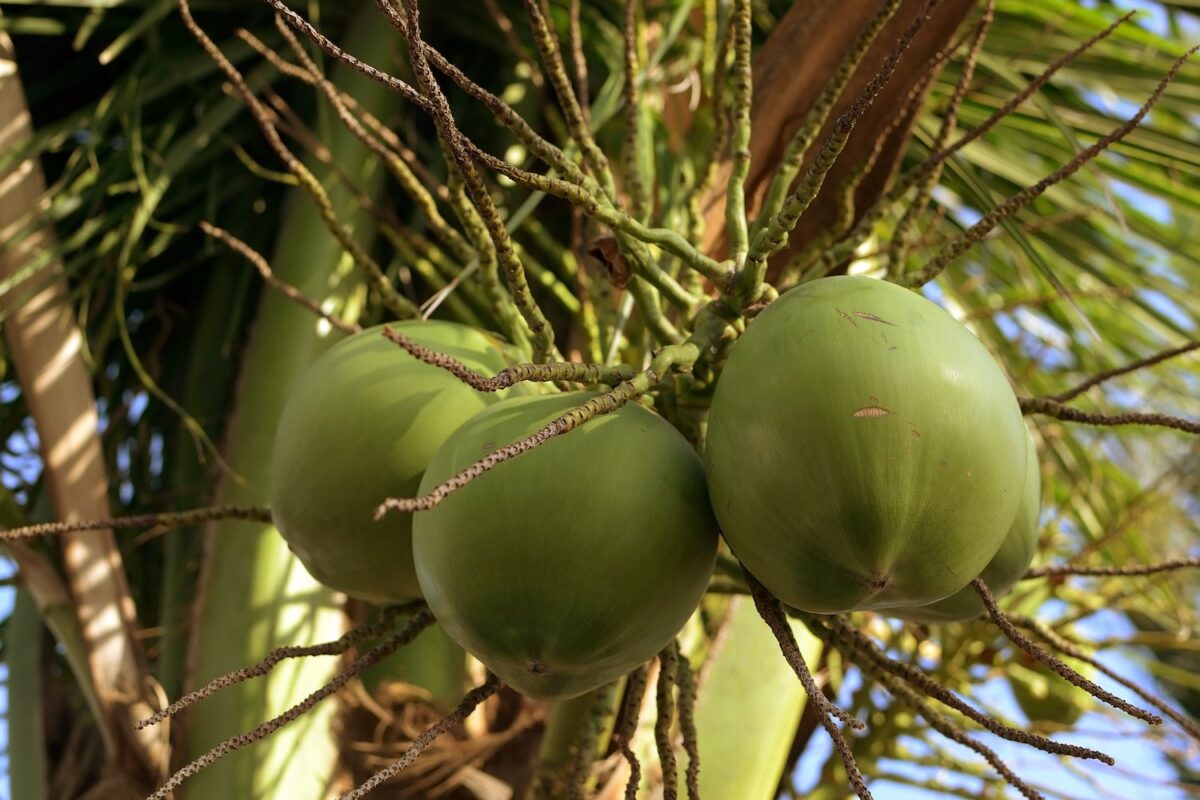
Fresh Green Coconuts: Nothing beats cracking open a young coconut for sweet, hydrating juice. The ultimate island refreshment — nature’s energy drink. Surprisingly, many resorts don't offer coconuts despite trees being full of them.
5. Things to Do When the Surf is Flat
When the waves take a break, Fiji still delivers endless ways to fill your days:
Snorkeling & Diving: Slip beneath the surface to explore coral reefs bursting with life — from reef sharks to colorful fish and turtles.
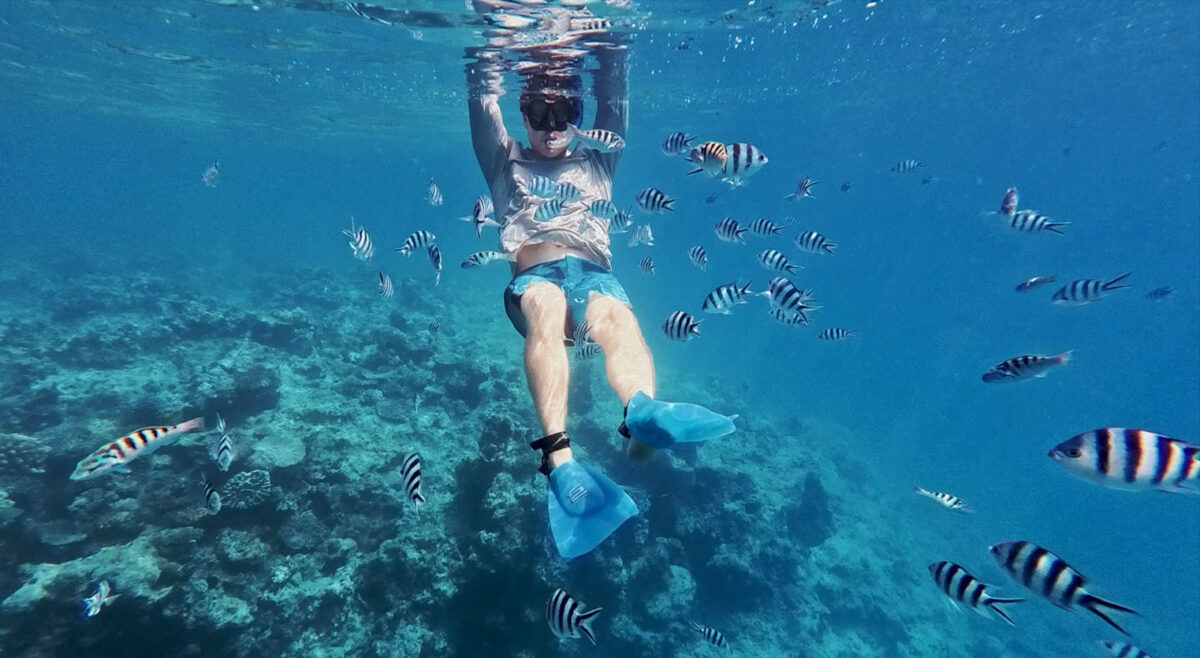
Island Hopping: Each island has its own character, with hidden coves, sandbars, and beaches worth discovering. Be aware of super touristy excursions where you will be snorkelling a reef with 30 floundering strangers. That's not much fun.
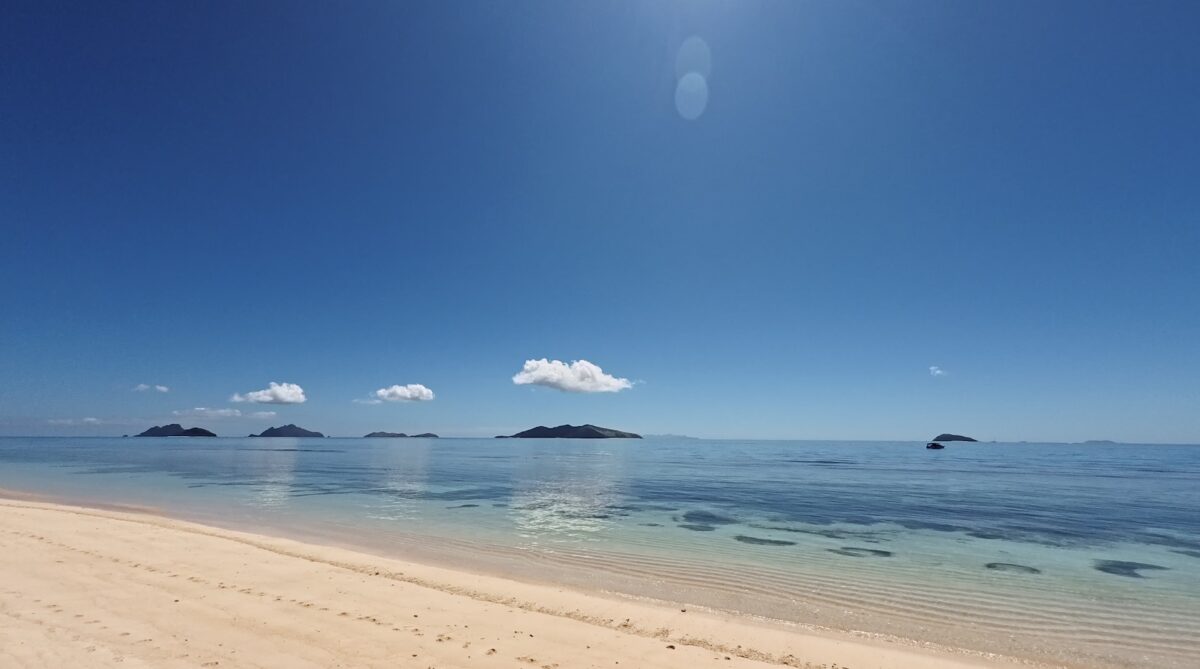
Cultural Experiences: Visit a local village, take part in a kava ceremony, or enjoy a meke — a traditional dance and storytelling performance that’s as soulful as it is mesmerizing.
Coconut Leaf Weaving: Learn the island art of weaving hats, fans, or even buckets from fresh coconut fronds — a hands-on way to connect with Fijian culture.
Hiking & Nature Walks: Trek to waterfalls, wander through lush tropical forests, or climb to a lookout for views that will stop you in your tracks.
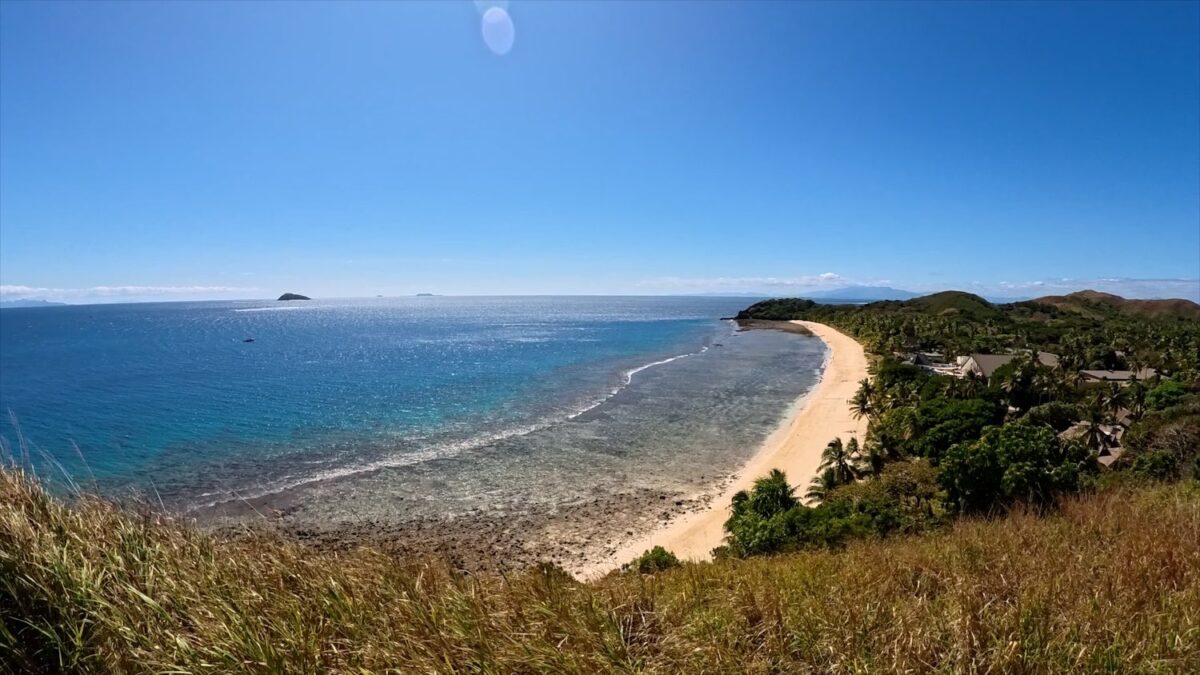
Relaxation: When in doubt, swing in a hammock, treat yourself to a spa day, or simply lounge on a white-sand beach with a fresh coconut in hand.
6. Insider Tips
- Traveling during the shoulder season means fewer crowds, friendlier prices, and plenty of waves to yourself.
- When visiting villages, dress modestly and always ask before taking photos of locals — it’s a simple way to show respect and connect with the community.
- Cash is king in many spots, as small vendors often don’t take cards. And a heads-up for surfers: boat rides out to the reef breaks aren’t usually free (unless you’re staying at Tavarua Island, which includes two surf boats daily — one in the morning and one in the afternoon). Otherwise, expect to pay around $35–$90 USD for a 3–4 hour surf trip, depending on the location and operator.
- Plug sockets are Australia / New Zealand (Type I), which feature three flat pins arranged in a V-shape with a horizontal ground pin below.
- Tipping is not expected, but you can if you wish.
- Things can be rustic, even in more expensive resorts. Don't be surprised if you find a cockroach or ants in your room. If you're staying somewhere cheap and cheerful, you may be sharing accommodation with a mouse or two. Don't leave foodstuffs in your room, unless it is properly sealed up in a robust container or fridge.
- If you see locals having a kava ceremony, it's not an invitation to join. Get invited first.
- Vonu is a pretty nice beer, as is Fiji Gold! Cheers!
Frequently asked questions
- What are the best surf breaks in Fiji?
- Cloudbreak is Fiji's world-class powerful left for experienced surfers, while Restaurants and Swimming Pools near Tavarua Island are more forgiving options for confident intermediates and reef-surfing beginners.
- Where should surfers stay in Fiji?
- Tavarua and Namotu Island resorts are the top picks for surf-focused trips with boats included, Plantation Island Resort suits families, and Funky Fish Beach & Surf Resort is a budget-friendly option with daily surf boat transfers.
- How much does a surf boat trip cost in Fiji?
- Outside resorts like Tavarua that include boats, expect to pay roughly $35-90 USD for a 3-4 hour surf trip, depending on the operator and destination.
- What food should you try on a Fiji surf trip?
- Don't miss kokoda (Fijian ceviche), lovo (a traditional underground-cooked feast), taro and cassava, plus fresh tropical fruit and young coconuts.