
How to Relieve Sore Muscles After Surfing
Shoulders wrecked after a session? Try magnesium, cold therapy, foam rolling and Epsom salts to ease soreness and get back in the water faster.
Some links on this page are affiliate links. If you buy through them we may earn a small commission, at no extra cost to you — it never affects our verdict. How we make money.
In this article
- Magnesium Cream or Spray (Relieves Cramps & Tightness)
- Cold Therapy (Ice Bath or Cold Shower for Recovery)
- Massage & Foam Rolling (Loosens Tight Muscles & Prevents Stiffness)
- Visit an Osteopath or Chiropractor (For Alignment & Long-Term Fixes)
- Epsom Salt Bath (Relaxes Muscles & Reduces Soreness)
- Hydration & Electrolytes (Prevent Muscle Cramps & Fatigue)
- Gentle Stretching & Yoga (Prevents Stiffness & Keeps You Loose)
In this article, you'll learn
- Why rest and recovery matter as much as the surf session itself
- How magnesium, cold therapy, and Epsom salts ease sore muscles
- Which tools like foam rollers and massage guns loosen tight spots
- When persistent pain means it's time to see an osteopath
The fastest ways to relieve sore muscles after surfing are topical magnesium for cramps, cold therapy to reduce inflammation, and foam rolling or massage to release tight shoulders and lower back. Hydration, Epsom salt baths, and gentle stretching round out a full recovery routine.
You had an epic session. Perfect waves, long rides, and likely a few heavy wipeouts. But now your shoulders feel like they belong to a 90-year-old retired longboarder, your lower back is stiffer than a rental foamie, and your legs are cramping up like you just bodysurfed Pipeline. Welcome to post-surf muscle pain.
Surfing works your entire body—paddling, popping up, carving, and holding your stance all put serious demands on your muscles. If you don’t recover properly, soreness lingers, flexibility decreases, and injuries creep in. But don’t worry—there are quick fixes that can get you back in the water fast.
Remember, you are not a machine—you are a finely tuned biological creature. Your body has the capacity to grow stronger after intense pressure and exertion, but only if you rest it. This phenomenon is also called antifragility: the ability of an organism to not just survive stress or adversity but to grow stronger as a result of it! Now, that is a mindset for surfing—and life. How can I grow stronger after the intensity?
As mentioned above, step 1 is to rest and recover. Step 2 is to choose from the options below that will expedite recovery and support future high performance. Start small and stay curious. Or go all in and transform yourself into a recovery machine.
I recommend focusing as much on recovery as the activity itself. Kelly Slater's longevity is a testament to this approach.
Magnesium Cream or Spray (Relieves Cramps & Tightness)
Ever had a gnarley cramp mid-surf? That’s often a sign of low magnesium levels. This mineral is essential for muscle relaxation, and applying it topically works faster than taking a pill.
How to use it:
- Rub magnesium cream or spray onto sore areas like shoulders, lower back, and calves.
- Let it absorb for 10–15 minutes before rinsing off if needed.
- Bonus tip: If your legs cramp up faster than a kook doing poo man, start eating more bananas, nuts, and dark chocolate—all packed with magnesium.
Cold Therapy (Ice Bath or Cold Shower for Recovery)
Surfing in warm water? Then your body isn’t getting the natural cold therapy surfers in colder climates benefit from. Cold water reduces inflammation, minimizes muscle soreness, and speeds recovery.
How to do it:
- Cold shower: 2–3 minutes after your surf session.
- Ice bath: Fill a tub with cold water and ice, soak for 10–15 minutes (if you’re hardcore).
- Cold ocean dip: A quick swim in cooler temperatures works, too, if you're near the water.
- Go surfing without a wetsuit in winter... for the brave only.
- Bonus tip: Think of cold exposure like duck diving a big set—painful at first, but totally worth it in the end.
Massage & Foam Rolling (Loosens Tight Muscles & Prevents Stiffness)
After paddling for hours, your shoulders can feel like they belong to a brick wall. A quick self-massage or foam rolling session can release tension and prevent knots.
Best tools for surfers:
- Foam roller: Great for back, legs, and shoulders. Roll slowly for 1–2 minutes per area.
- Massage ball (or tennis ball): Press against a wall and roll over sore spots. Perfect for shoulders and lower back.
- Massage gun: If you want high-tech relief, a massage gun delivers deep tissue treatment in minutes. This is my favorite.
- Bonus tip: Foam rolling is like waxing your board—it’s annoying, but if you skip it, you’ll regret it later.
Visit an Osteopath or Chiropractor (For Alignment & Long-Term Fixes)
Surfing involves twisting, arching, and repetitive paddling, which can throw your body out of alignment. If you have persistent pain, an osteopath or chiropractor can help fix shoulder imbalances, lower back tightness, and joint stiffness.
When to see a pro:
- You feel one-sided pain (e.g., one shoulder is always sore).
- Lower back pain doesn’t go away after stretching.
- You hear clicking or popping in joints.
- Bonus tip: Think of it as getting your surfboard repaired after a ding or two—a little maintenance now saves you from getting waterlogged later.
Epsom Salt Bath (Relaxes Muscles & Reduces Soreness)
Epsom salts are loaded with magnesium, which helps reduce inflammation and relieve sore muscles. A warm soak can work wonders, especially after a long surf session.
How to do it:
- Add 1–2 cups of Epsom salt to a warm bath.
- Soak for 15–20 minutes.
- Hydrate afterward—hot baths can make you sweat out fluids.
- Bonus tip: Add lavender oil for extra relaxation. It’s like floating in warm tropical water without the risk of reef cuts.
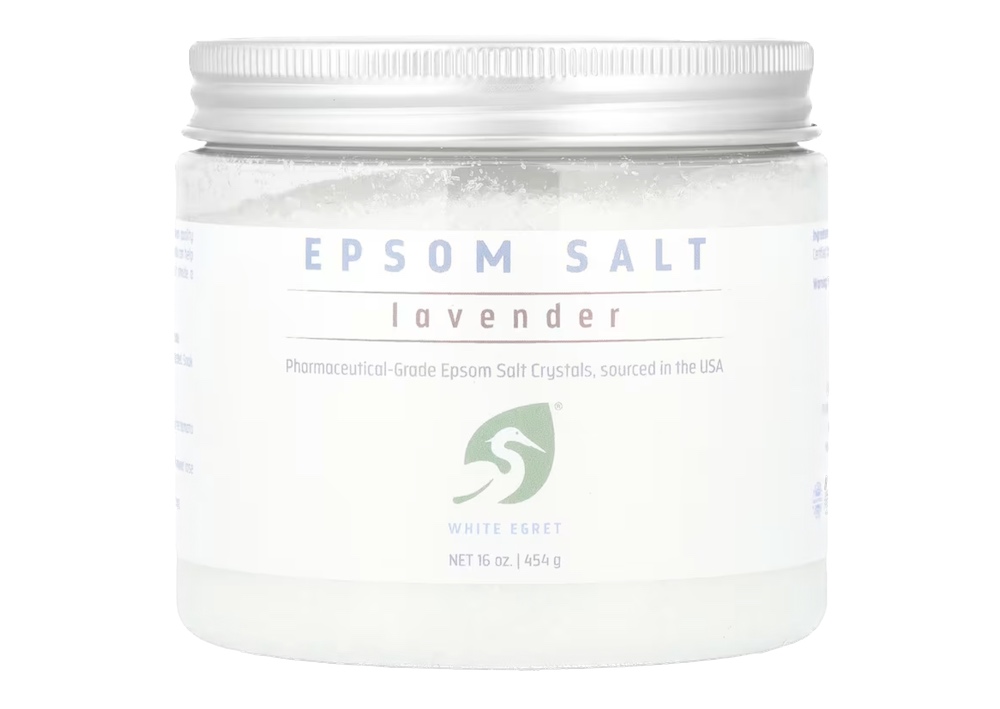
White Egret Epsom Salt
Hydration & Electrolytes (Prevent Muscle Cramps & Fatigue)
Dehydration = muscle cramps, fatigue, and slower recovery. Surfing depletes electrolytes (especially in warm water), so rehydrating properly is crucial.
Best rehydration options:
- Coconut water
- Electrolyte tablets (dissolve in water)
- Himalayan salt + lemon water (DIY electrolyte drink)
- Bonus tip: If you chug a sugary sports drink instead, you’re basically paddling out with a leash wrapped around your fin—not helping yourself at all.
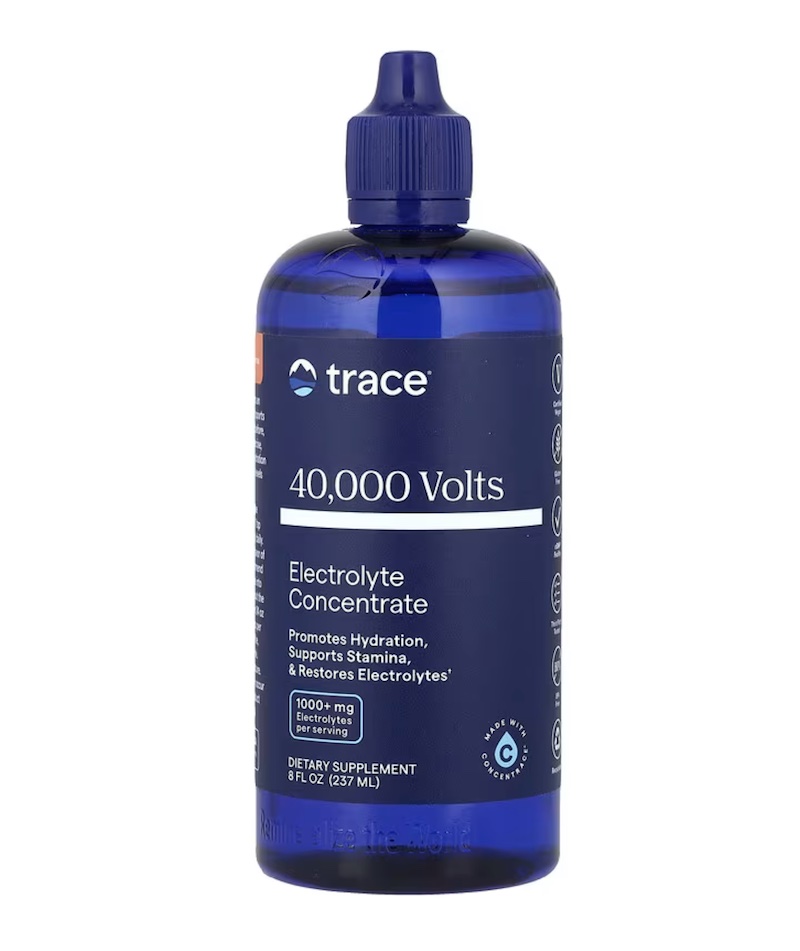
Trace, 40,000 Volts, Electrolyte Concentrate
Gentle Stretching & Yoga (Prevents Stiffness & Keeps You Loose)
Skipping a post-surf stretch is like leaving your wetsuit in a hot car—it won’t perform as well next time. Prioritize stretches that improve surfing flexibility and you'll perform better for longer.
Best post-surf stretches:
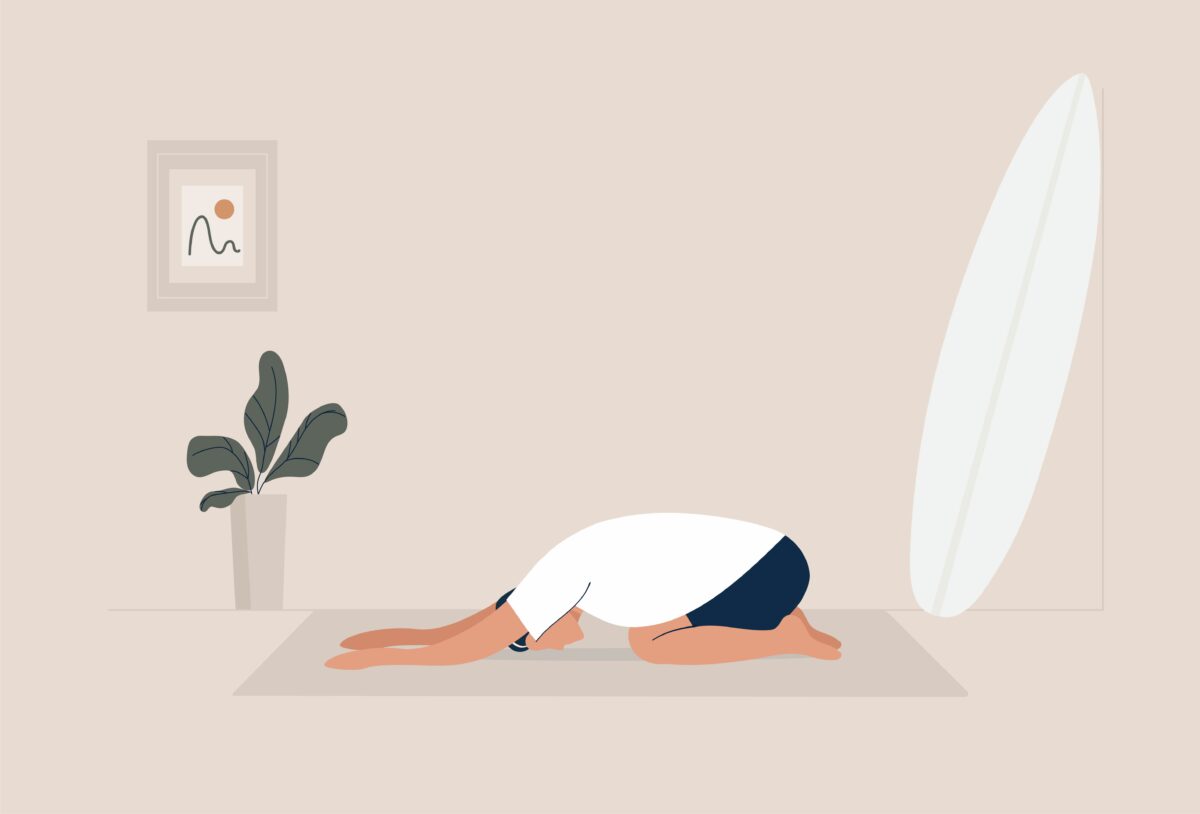
- Child’s Pose (opens up shoulders & lower back)
- Pigeon Pose (releases tight hips)
- Spinal Twist (keeps your back loose)
- Bonus tip: Even 5 minutes of stretching after a session can reduce next-day soreness—so you don’t wake up feeling like you’ve been hit by a rogue SUP.
Quick Recovery Cheat Sheet
- Magnesium cream or spray – relieves cramps & tightness
- Cold shower or ice bath – reduces swelling & speeds recovery
- Massage or foam rolling – breaks up muscle knots
- Osteopath or chiropractor – for persistent pain & alignment issues
- Epsom salt bath – relaxes sore muscles
- Hydration & electrolytes – prevents cramps & fatigue
- Gentle stretching & yoga – keeps blood flowing & prevents stiffness
The faster you recover, the sooner you can get back in the water—without paddling like a T-Rex with stiff arms.
Frequently asked questions
- Why do my muscles cramp so much after surfing?
- Cramping is often a sign of low magnesium levels, which is essential for muscle relaxation. Applying magnesium cream or spray topically works faster than taking a supplement, and eating magnesium-rich foods like bananas, nuts, and dark chocolate helps prevent it.
- Does cold therapy actually help sore muscles after surfing?
- Yes, cold water reduces inflammation, minimizes soreness, and speeds recovery. A 2-3 minute cold shower, a 10-15 minute ice bath, or even a quick dip in cooler ocean water all work.
- When should I see an osteopath for surf-related pain?
- See a professional if you notice one-sided pain such as a shoulder that's always sore, lower back pain that doesn't ease with stretching, or clicking and popping in your joints.
- What's a quick post-surf stretching routine?
- Child's Pose to open the shoulders and lower back, Pigeon Pose to release tight hips, and a Spinal Twist to loosen the back. Even five minutes can reduce next-day soreness.