
5 Best Reef-Safe Sunscreens for Surfers in 2026
Regular sunscreen chemicals bleach coral reefs. Here are 5 reef-safe, mineral sunscreens that protect your skin and the ocean, plus what ingredients to avoid.
Some links on this page are affiliate links. If you buy through them we may earn a small commission, at no extra cost to you — it never affects our verdict. How we make money.
In this article, you'll learn
- Why regular sunscreen chemicals harm coral reefs
- What to look for in an eco-friendly sunscreen
- Which five reef-safe sunscreen brands made the list
- Whether each product suits your skin and budget
The best reef-safe sunscreens for surfers use mineral active ingredients like zinc oxide instead of chemical UV filters such as oxybenzone and octinoxate, which are linked to coral bleaching; Badger, Palm & Pine, Kiss My Face, Sun Bum Mineral and All Good all fit that criteria.
If you’re in the Southern Hemisphere then summer is knocking on the door. If you’re not, maybe you’re planning a trip down south to enjoy a sneaky summer holiday.
Either way, we all know that summer means beach, bikinis, surf, and sunscreen.
We need to be extra careful about which sunscreen we choose to use during those hot summer months.
Here’s why.
Why is regular sunscreen no good?
Regular sunscreen, sunscreen which is not eco-friendly, often or more likely than not contains some super harmful and potentially toxic ingredients.
Not only do these toxic ingredients slowly cause harm to our bodies, but they are also doing serious harm to our environment.
These toxic ingredients include things like:
- Oxybenzone
- Avobenzone
- Octisalate
- Octocrylene
- Homosalate
- Octinoxate
Yeah, you need a Ph.D. to even begin to understand what those are, if you want to find out more about each ingredient check out the EWG report for a look at the harm and toxicity of each.
Each of the above ingredients works to absorb various types of ultraviolet (UV) light. This UV light is what damages our skin, and cause dark spots, skin pigments, freckles and cancerous spots.
These ingredients are used in sunscreen in order to prevent the UV light from damaging our skin, how can it be a bad thing?
The same ingredients used to protect our skin is actually doing damage at the same time, after years of use your body absorbs these ingredients and it can mess up the good balance you have going in your system.
What I’m concerned about here is the damage that these chemicals and toxins do to the environment.
We load up with sunscreen, then go for a surf, swim or scuba in the ocean and all those chemicals go with us.
May sunscreens are water resistant, but resistant is the keyword here because 6000 – 14,000 tonnes of sunscreen is washed into the ocean each year.
Why does this matter though? Well, let’s find out.
What harm does regular sunscreen cause?
The majority of this sunscreen is washed into areas which are tropical touristy areas, like the Caribbean, Australia and South East Asia.
Once these chemicals are in the oceans they cause harm to one of our ocean treasure, the coral reefs.
Coral reefs are important because they support a hugely diverse marine ecosystem, as well as protecting our coastlines from wave damage and tropical storms (I don’t think we need to go into the effects of tropical storms last year).
Coral reefs act as great protection for marine life and our shorelines, they also balance carbon and nitrogen in the water.
It goes without saying, coral reefs are worth saving and protecting. More reason to use an eco-friendly sunscreen.
Regular sunscreen damages the reefs by deforming their DNA and by making the coral grow its own coffin around itself.
It also increases what is known as coral bleaching. Coral bleaching is when the coral lets go of the algae which grow on the coral.
Coral and algae need each other to survive, the same way we need food and water. When the algae are released from the coral, the coral then starves, loses its color and dies.
This is why eco-friendly sunscreen is your number one purchase this summer.
What to look out for in an Eco-Friendly Sunscreen
There are a few things that eco-friendly sunscreens have which regular ones don’t. Here’s what to look out for.
No harmful ingredients
Make sure the sunscreen you choose doesn’t have any of those harmful ingredients we mentioned above. If you can’t see any ingredients then it’s more than likely a fake product, so that’s a serious no go.
Biodegradable
Any good eco-friendly sunscreen is biodegradable. Which means when it goes into the ocean or even on land it will naturally break down, causing no harm to land or sea.
Protection of SPF 30+
When buying any sunscreen it’s advised to grab one with a sun protection of SPF 30 or higher. Especially if you’re in unavoidable direct sunlight.
Super Food like Ingredients
Not only do eco-friendly sunscreens not contain harmful ingredients, but they are usually packed with a bunch of amazing natural ingredients which will work to improve your skin while protecting it. Look out for banana extract, avocado oils, tea trees and aloe extract.
5 Eco-Friendly Sunscreens to Check out
1. Badger Natural & Organic Sunscreen
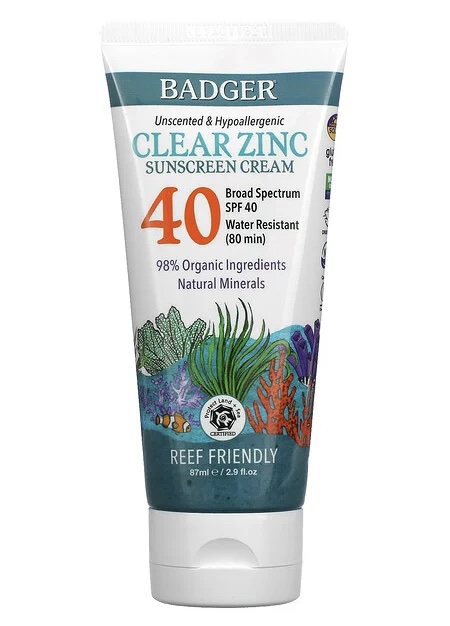
Badger Company, Clear Zinc Sunscreen Cream, SPF40
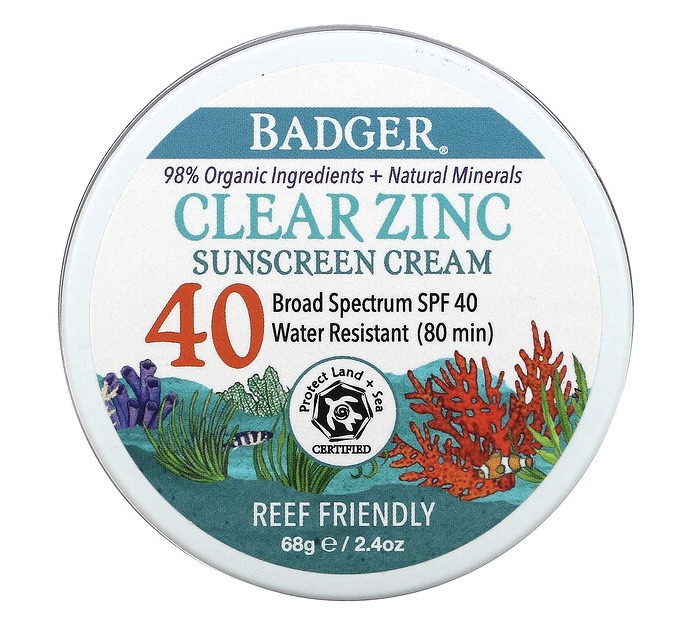
Badger Company, Clear Zinc Sunscreen Cream, SPF40
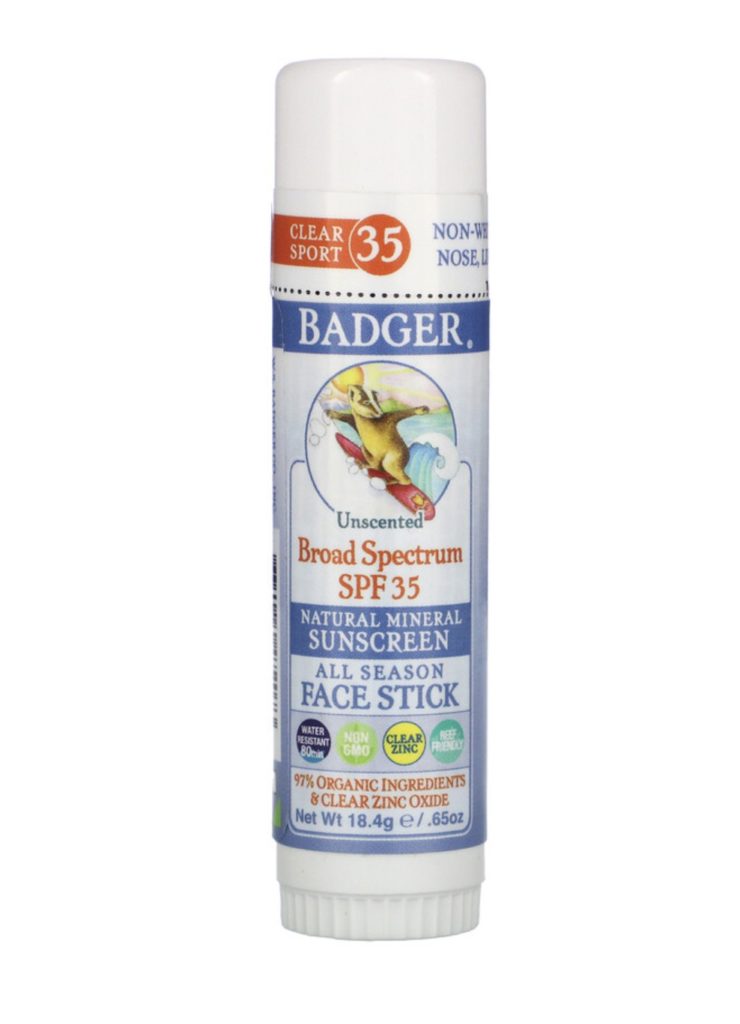
Badger Company, Natural Mineral Sunscreen Face Stick, SPF 35
What is it?
Badger is a well-known brand in the eco-friendly market, and they have an entire range of eco sunscreens to check out. They are also very transparent and informative about their products.
How does it work?
Badger sunscreen work to protect your skin using mineral ingredients known as zinc oxide. They also include fantastic ingredients like sunflower oil, olive oil, jojoba oil and vitamin E.
Where can I get it?
Available on Amazon and iHerb.
2. Palm & Pine Natural Sunscreen
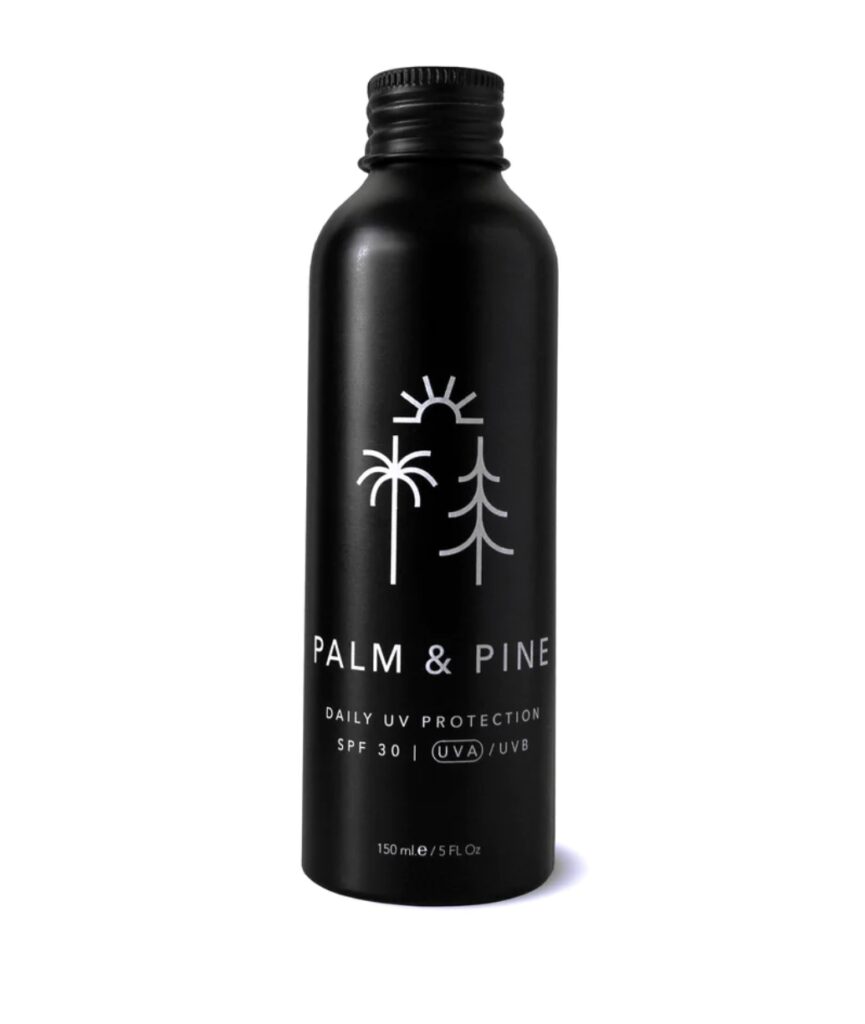
PALM & PINE Sunscreen SPF 30
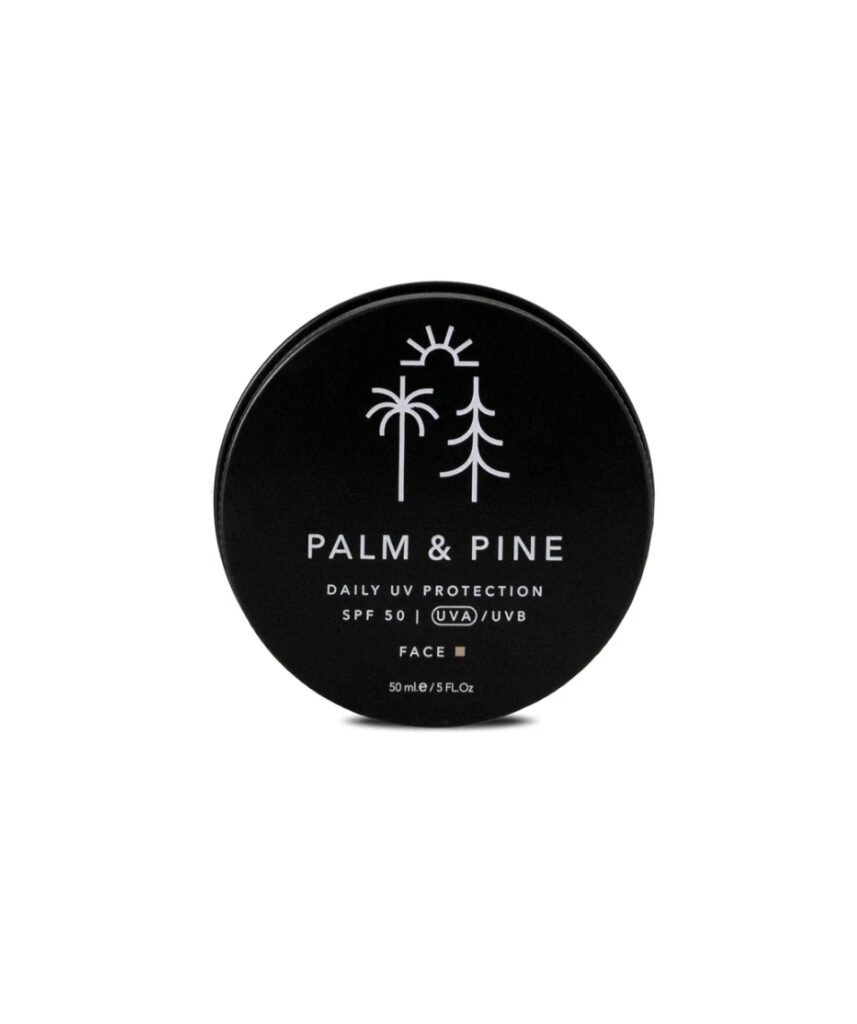
PALM & PINE Sunscreen SPF 50 Zinc
What is it?
PALM & PINE offers a range of natural eco-friendly sunscreens that provide effective sun protection while being gentle on the environment, making it the ideal choice for those seeking a sustainable and skin-friendly sunscreen option. Palm & Pine uses zinc oxide for mineral protection.
How does it work?
PALM & PINE's natural eco-friendly sunscreen utilizes natural minerals that effectively reflect UV rays away from the skin. Their Daily SPF 30 lotion, enriched with nourishing calendula and shea butter, is gentle and non-irritating, making it suitable even for sensitive skin. For enhanced protection, the tinted zinc SPF 50 sunscreen, featuring a sunflower wax-based formula, safeguards the delicate skin of your face and lips while you enjoy your surfing adventures.
Where can I get it?
Available onPalm and Pine.
3. Kiss My Face Organic Sunscreen
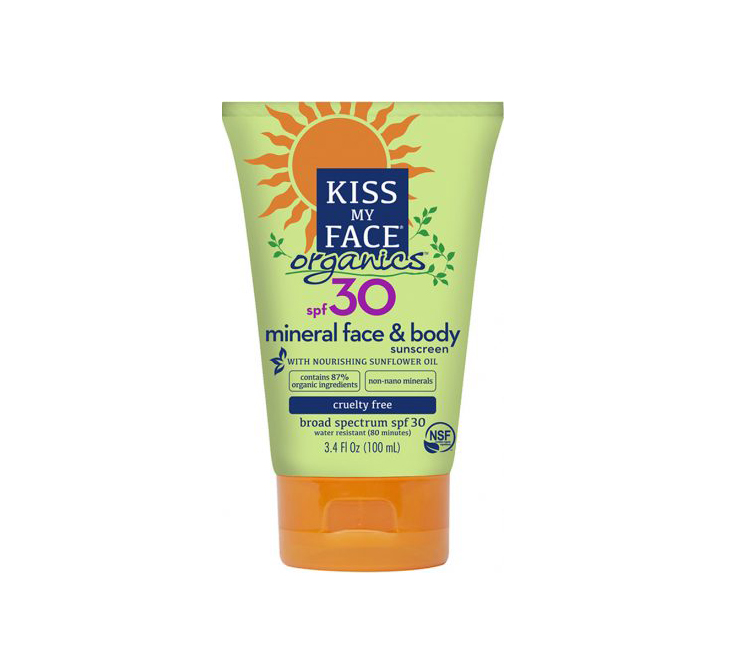
Kiss My Face Body & Face Mineral SPF 30 Natural Organic Sunscreen
What is it?
Kiss My Face is a mineral sunscreen using titanium dioxide and zinc oxide to protect your skin.
How does it work?
The non-harmful mineral ingredients work by dispersing UV rays. It is also cruelty-free and contains beeswax, green tea, sunflower oil, and sage.
Where can I get it?
It is available on Amazon. Or check out their list of retails in your area in the US
4. Sun Bum Mineral Range
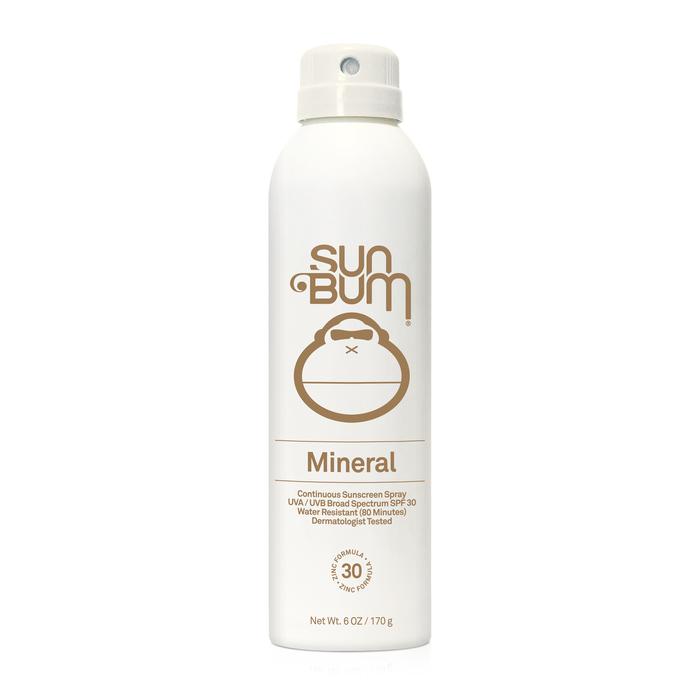
Sun Bum Mineral SPF 30 Tinted Sunscreen Face Lotion
What is it?
Sun Bum is a really fun brand which has a range of mineral reef friendly sun products. From sprays to lip balm they’ve got you.
How does it Work?
Their active protection ingredient is the mineral zinc oxide which protects the skin, while other ingredients include coconut oil and cocoa seed butter to moisturize and condition the skin.
Where can I get it?
It is available on Amazon and they have a super fresh online store for US customers.
5. All Good Sunscreen Butter SPF 50
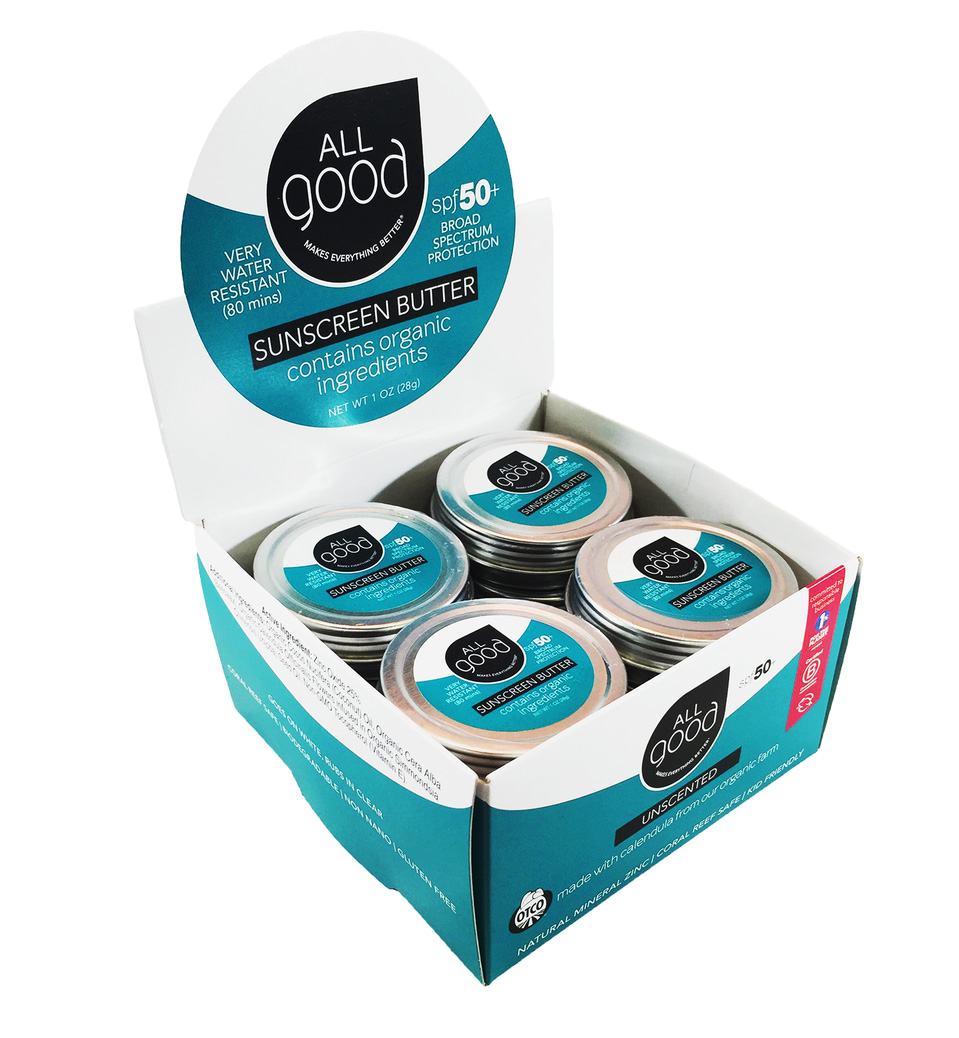
All Good Face Sunscreen Butter - UVA/UVB Broad Spectrum SPF 50+
What is it?
All Good brand gives us a compact tub of organic sunscreen butter. It’s water resistant and has an SPF 50 protection.
How does it Work?
All good use zinc oxide mineral ingredient to protect your skin, as well as coconut oil, beeswax, and vitamin E oil.
Where can I get it?
Available on Amazon and All Good ships anywhere in the world. Not keen on buying online check their retailer list to see if you can grab one close by.
There you have it, the best eco-friendly sunscreens for your summer loving days. Never leave home without sun protection, and even better never leave home without safe sun protection.
Frequently asked questions
- Why is regular sunscreen bad for coral reefs?
- Chemical UV filters like oxybenzone and octinoxate can deform coral DNA and trigger coral bleaching, and an estimated 6,000 to 14,000 tonnes of sunscreen washes into the ocean each year.
- What should I look for in a reef-safe sunscreen?
- Look for mineral active ingredients like zinc oxide, no oxybenzone or octinoxate, biodegradable formulas, and SPF 30 or higher for adequate protection.
- What ingredients should I avoid in sunscreen?
- Avoid oxybenzone, avobenzone, octisalate, octocrylene, homosalate and octinoxate, all chemical filters flagged for potential harm to coral reefs and, over time, your own health.
- What are the best reef-safe sunscreen brands?
- This roundup highlights Badger, Palm & Pine, Kiss My Face, Sun Bum Mineral Range and All Good Sunscreen Butter, all mineral-based options using zinc oxide or titanium dioxide.