Eco-Friendly Surf Wax: Alternatives to Toxic Paraffin
Around 95% of surf wax contains petroleum by-products. Discover eco-friendly wax options and traction pads that keep your board grippy without the toxins.
Some links on this page are affiliate links. If you buy through them we may earn a small commission, at no extra cost to you — it never affects our verdict. How we make money.
In this article, you'll learn
- Why most surf wax contains toxic petroleum by-products
- How ocean pollution reaches the water surfers ride in
- Whether traction pads are a viable alternative to waxing
- Which eco-friendly wax brands like Rip Curl Organic are worth trying
Eco-friendly alternatives to standard surf wax include organic waxes like Rip Curl's Organic Surf Wax, made without petroleum-derived paraffin, and traction pads, which eliminate the need for wax altogether.
83% of the general public are concerned about issues affecting the ocean, while just over a quarter (26%) are very concerned, according to two surveys. While pollution is regarded as the top priority for restoring ocean health, it’s necessary to keep in mind that even the smallest contributions can make a difference. For surfers looking to ride waves while being kind to the environment, understanding how your surf wax can make an impact is just one way to make a positive change.
An overview of water pollution
When it comes to water pollution, many may be quick to think of the matter in regard to the water we drink, with the Flint water crisis of 2014 coming to mind for many. While removing lead from drinking water can be done through either reverse osmosis filtration or water distillation, lead contamination in drinking water can make for severe health consequences. That said, the negative impact of lead can be felt elsewhere in the environment as well. Lead is detected in oceans and seas, and is not biodegradable, meaning that it remains in soil, atmosphere, and water. Research highlights the impact of lead on marine invertebrates, highlighting that lead may affect different stages of development (from fertilization to laval development), and “can also lead to disturbance in reproduction and mortality.”
The National Oceanic and Atmospheric Administration (NOAA) highlights the biggest source
of pollution in the ocean, noting that 80% of pollution to the marine environment comes from the land. “One of the biggest sources is called nonpoint source pollution, which occurs as a result of runoff.” The NOAA goes on to explain that nonpoint source pollution includes many small sources, such as septic tanks, cars, etc. In a separate article, the NOAA also highlights marine debris as a “persistent pollution problem that reaches throughout the entire ocean and Great Lakes,” going on to point out that all marine debris comes from people — a majority of it originating on land and entering the ocean/Great Lakes via “littering, poor waste management practices, storm water discharge, and extreme natural events such as tsunamis and hurricanes.”
Where surfboard wax fits in
While it may seem insignificant in comparison to the many sources of pollution in our waterways and oceans, surfboard wax can play a role in negatively contributing to the environment, from its ingredients to polluting the ocean once it degrades off of a board and into the water. One post from The Inertia explains that today’s typical surfboard wax contains paraffin, which is a by-product of petroleum. “A lot of toxic chemicals are used to produce paraffin for the consumer market,” states the post. “By the time the surfing wax bar has reached commercial stores, it will contain additional toxic petrochemical by-products. Some of these are benzene and toluene, which have been determined by the U.S. Environmental Protection Agency (EPA) as probable human carcinogens.” The Inertia post further points out that about 95% of surfing waxes in the global market contain these petroleum by-products, thus highlighting just how important it is to consider eco-friendly alternatives.
From traction pads and beyond
For surfers looking for environmentally friendly alternatives to the typical surfboard wax, there are a few concepts worth considering. Traction pads, for instance, (also called front grips or front pads) are just one consideration. Not only can they save you money in the long run when compared to buying wax, but a traction pad wont melt if you leave it in the sun, provides more grip (thus making it ‘arguably better for snaps, airs and floaters), and protects the deck of your surfboard while keeping it free of messy wax, highlights the Honest Surf post. It’s worth noting that traction pads aren’t for everyone — though it doesn’t mean you still can’t be an eco-conscious surfer.

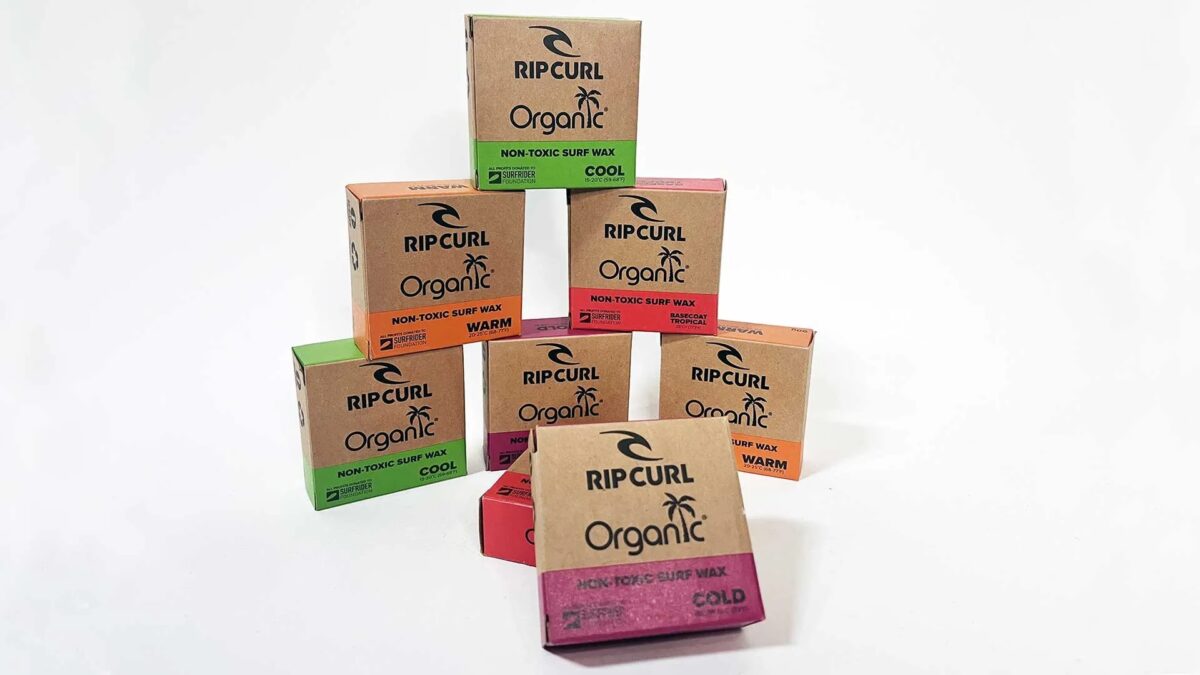
For surfers who don’t want to give up waxing their boards or who simply enjoy having more control over the grip on the board, there are eco-friendly waxes out there. For example, Rip Curl makes an eco-friendly Organic Surf Wax, their surf wax is enriched with essential ingredients such as natural calcite, proprietary blends of natural wax, as well as organic tackifiers and scents.
The production of Surf Organic wax takes place in a Certified No Waste Facility, demonstrating their dedication to sustainability. Furthermore, they uphold a strict Zero Plastic Policy and utilize 100% recycled cardboard for packaging, reducing plastic waste.
In addition to their eco-friendly practices, Surf Organic also contributes to the local Surfrider Foundation chapters by donating all proceeds from wax sales. This ensures that their commitment to the environment extends beyond their product, supporting vital initiatives that protect and preserve our coastal ecosystems.
The issues surrounding pollution highlight the desperate need to fight climate change. For surfers, knowing how your wax impacts the ocean and considering environmentally friendly alternatives can be a great way to take action and make a positive change.
Written by Nina Dallo
Frequently asked questions
- Is regular surf wax bad for the environment?
- Yes, about 95% of surf waxes on the market contain paraffin, a petroleum by-product whose production involves toxic chemicals including benzene and toluene, which the EPA classifies as probable human carcinogens.
- What is a good eco-friendly alternative to surf wax?
- Rip Curl's Organic Surf Wax uses natural calcite and organic tackifiers instead of paraffin, is made in a Certified No Waste Facility, and donates wax sale proceeds to local Surfrider Foundation chapters.
- Can you surf without wax?
- Yes, traction pads (also called front grips) are a wax-free alternative that provide grip, won't melt in the sun, and help protect your board's deck, though they're not preferred by every surfer.
- How much of ocean pollution comes from land-based sources?
- According to NOAA, roughly 80% of pollution in the marine environment originates on land, largely through nonpoint source runoff like septic systems, vehicles, and littering that eventually reaches the ocean.