A Guide to the Best Surf Brands in 2026
A comprehensive guide to over 30 of the world's best surf brands. Includes company profiles, videos, web and social links.
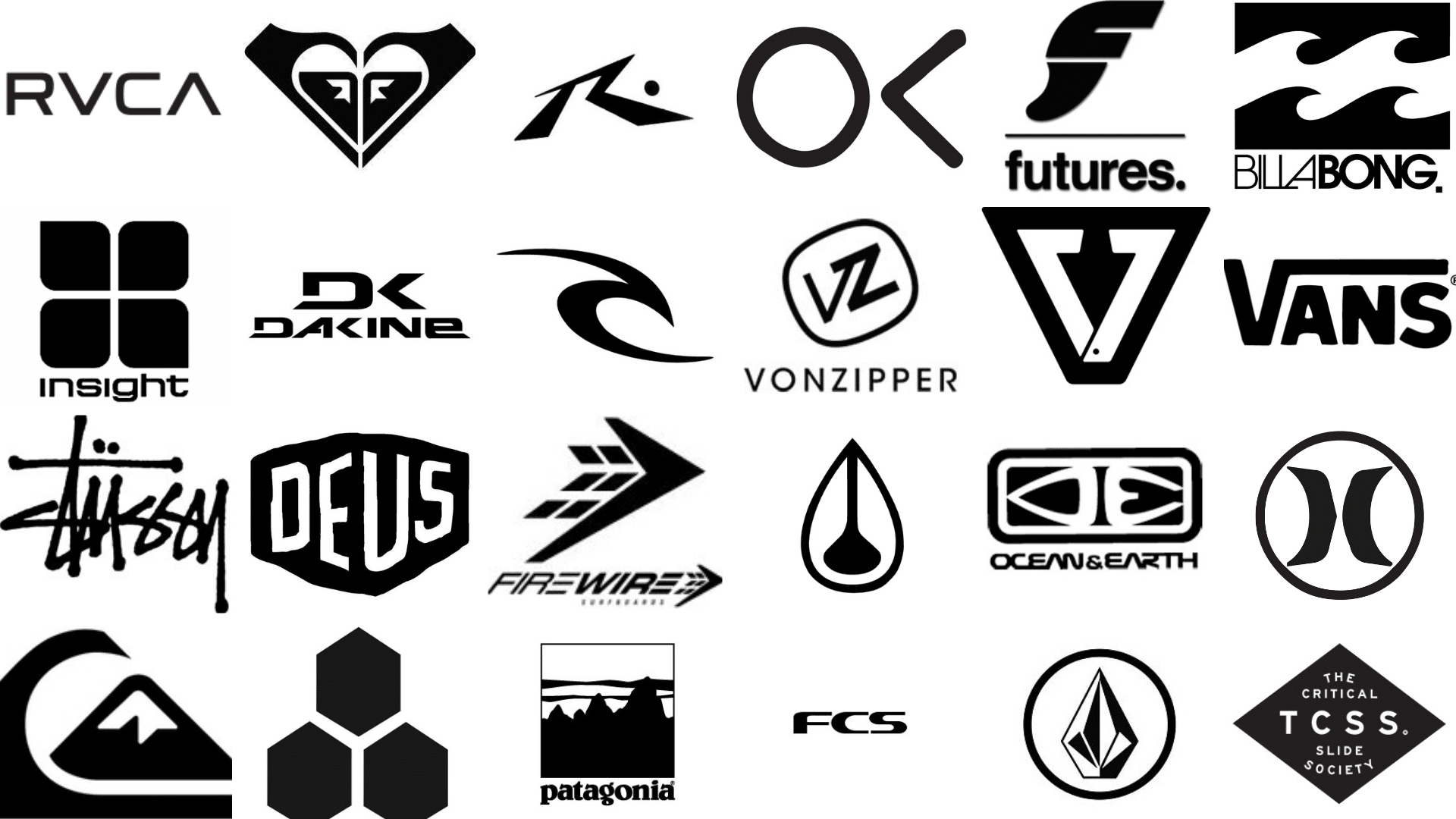
This is Surfd's working list of the surf brands that actually matter in 2026 — who owns them, what they make, whether they're still relevant, and where the industry's center of gravity has shifted in the last two years.
It's been a brutal stretch for legacy surf brands. Liberated Brands — the operator behind Quiksilver, Billabong, Roxy, RVCA, Volcom and others in North America — collapsed into bankruptcy in early 2025, taking 122 retail stores and roughly 1,390 jobs with it. The brands themselves survived under new licensees, but the era of mall-anchored mega-brands is genuinely over. Meanwhile, founder-led labels like Outerknown and Florence Marine X keep gaining ground, Patagonia keeps printing money while giving most of it away, and a wave of smaller indie brands is filling the space the giants left behind.
This guide is opinionated. We've called out the brands we rate, the ones we don't, and the ownership shifts that explain why your local surf shop's racks look different than they did three years ago. If you're a surf brand and want to be reviewed or featured, contact us.
For deeper dives, see our companion guides to surfboard shapers, surf clothing brands, the best surf products, and gifts for surfers.
How the Surf Industry Got Here
Surfing began in ancient Polynesia, where kings rode finless wooden boards as part of a sacred practice woven into ritual, rank, and the rhythms of the ocean. The modern revival started in the early 20th century — Hawaii to California, then Australia, Europe, and the rest of the world.
By the 1960s, surf culture had become both a lifestyle and a business. Hang Ten and Ocean Pacific pushed beach style into the mainstream. Meanwhile, the real innovation was happening in garages: Jack O'Neill experimenting with neoprene vests in 1952, and a decade later Rip Curl's founders Doug "Claw" Warbrick and Brian "Sing Ding" Singer starting up at Bells Beach in 1969.
The eighties and nineties were the boom years. Quiksilver, Rip Curl, Billabong, Hurley, O'Neill — they all opened mall stores on every continent and became household names. Then came the crash. Quiksilver filed Chapter 11 in 2015. Billabong restructured. Boardriders consolidated the wreckage in 2018, only to be acquired itself by Authentic Brands Group in 2023 for $1.25 billion. Two years later, the company licensing most of those brands in North America went bankrupt.
What rose from the ashes looks different. Two of the best surfers of all time — Kelly Slater and John John Florence — left their sponsors to build their own brands (Outerknown and Florence Marine X respectively). Patagonia eclipsed the surf industry on environmental credibility and ate into the wetsuit market with Yulex. Indie labels like The Critical Slide Society, Vissla, Deus Ex Machina, and Florence Marine X built loyal followings without ever needing a mall presence.
The brands below are the ones still defining the surf industry in 2026 — for better, worse, or interesting.
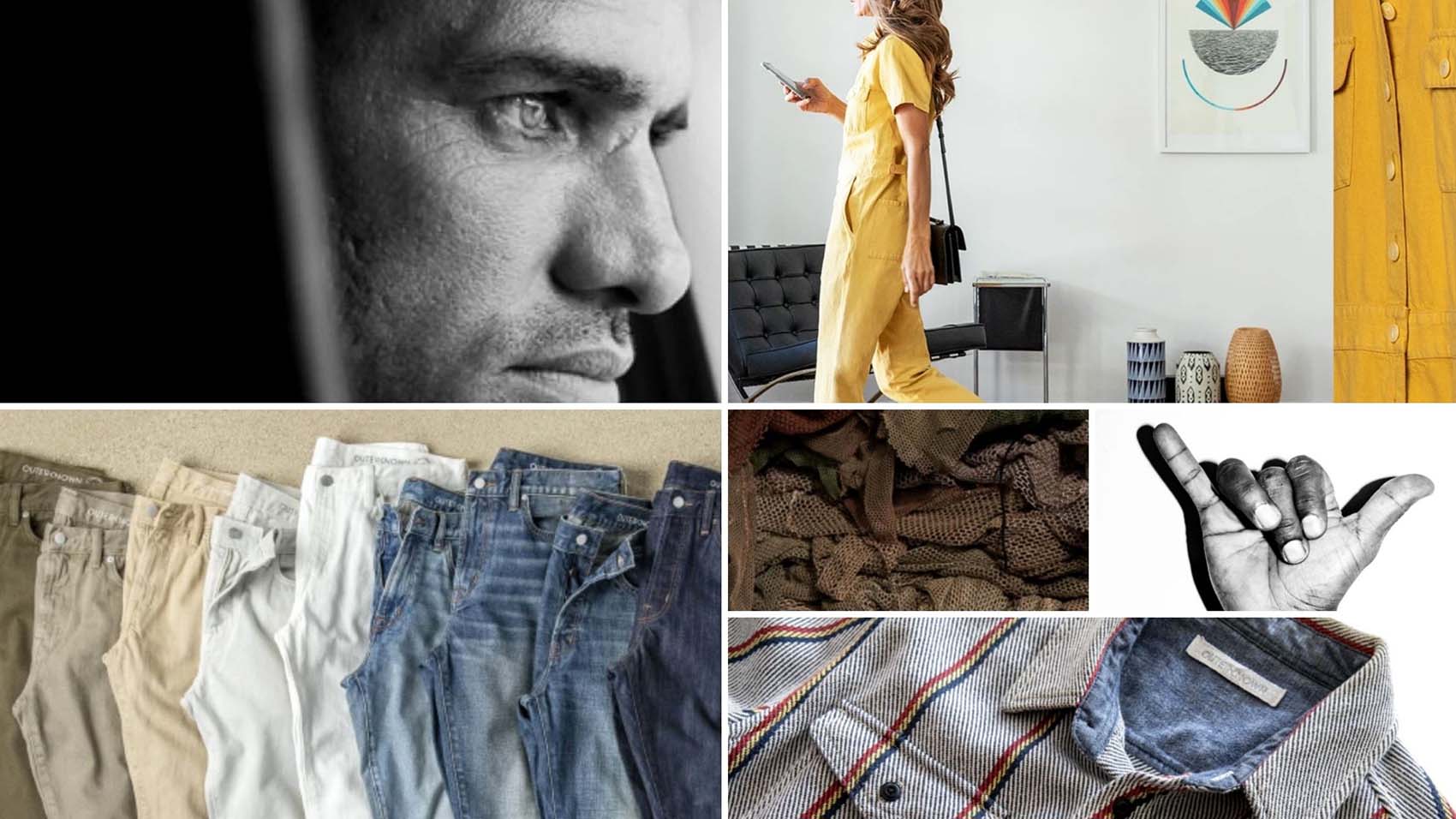
Outerknown
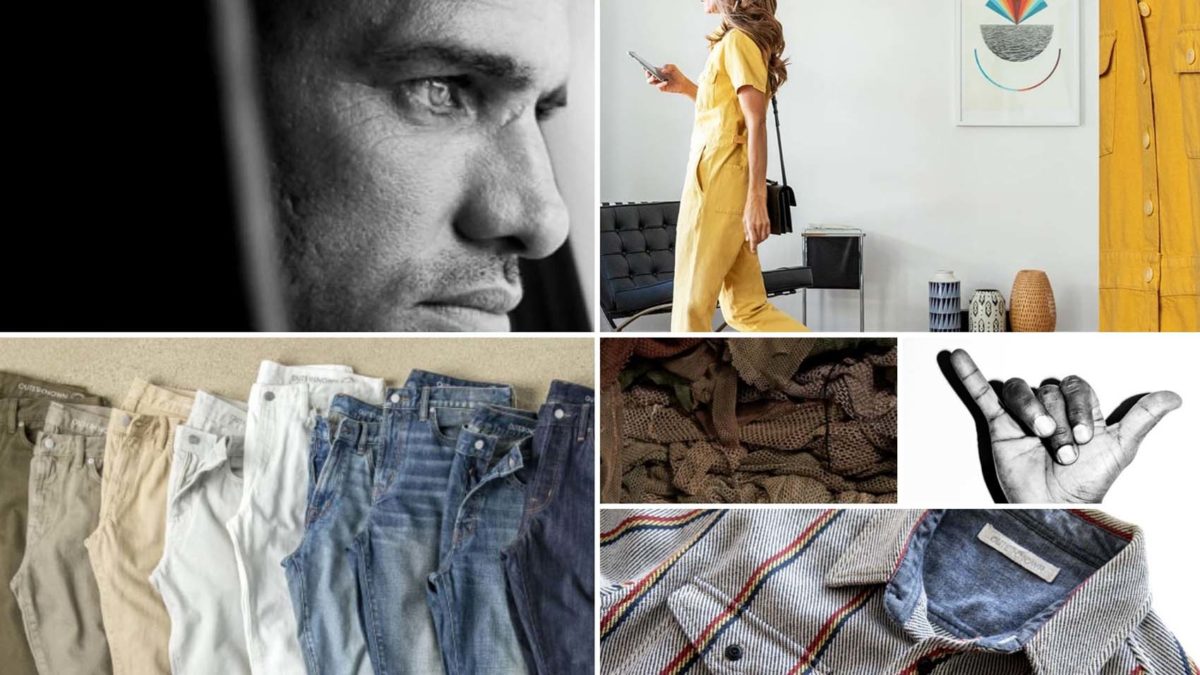
When Kelly Slater walked away from a 20-year deal with Quiksilver in 2015 to start Outerknown, the conventional wisdom said a premium, ethically produced surf brand couldn't survive. A decade on, that take has aged poorly. Outerknown is one of the few brands that actually delivered on the sustainability promise — Fair Trade Certified production, transparent supply chain, and garments built to outlast trend cycles.
The Blanket Shirt remains the signature piece, and our own first-season Outerknown items are still in rotation. We've named it our Surf Brand of the Year more than once — most recently for 2026. If you only buy from one brand on this list, this is the one we'd point you toward.
Read on Surfd

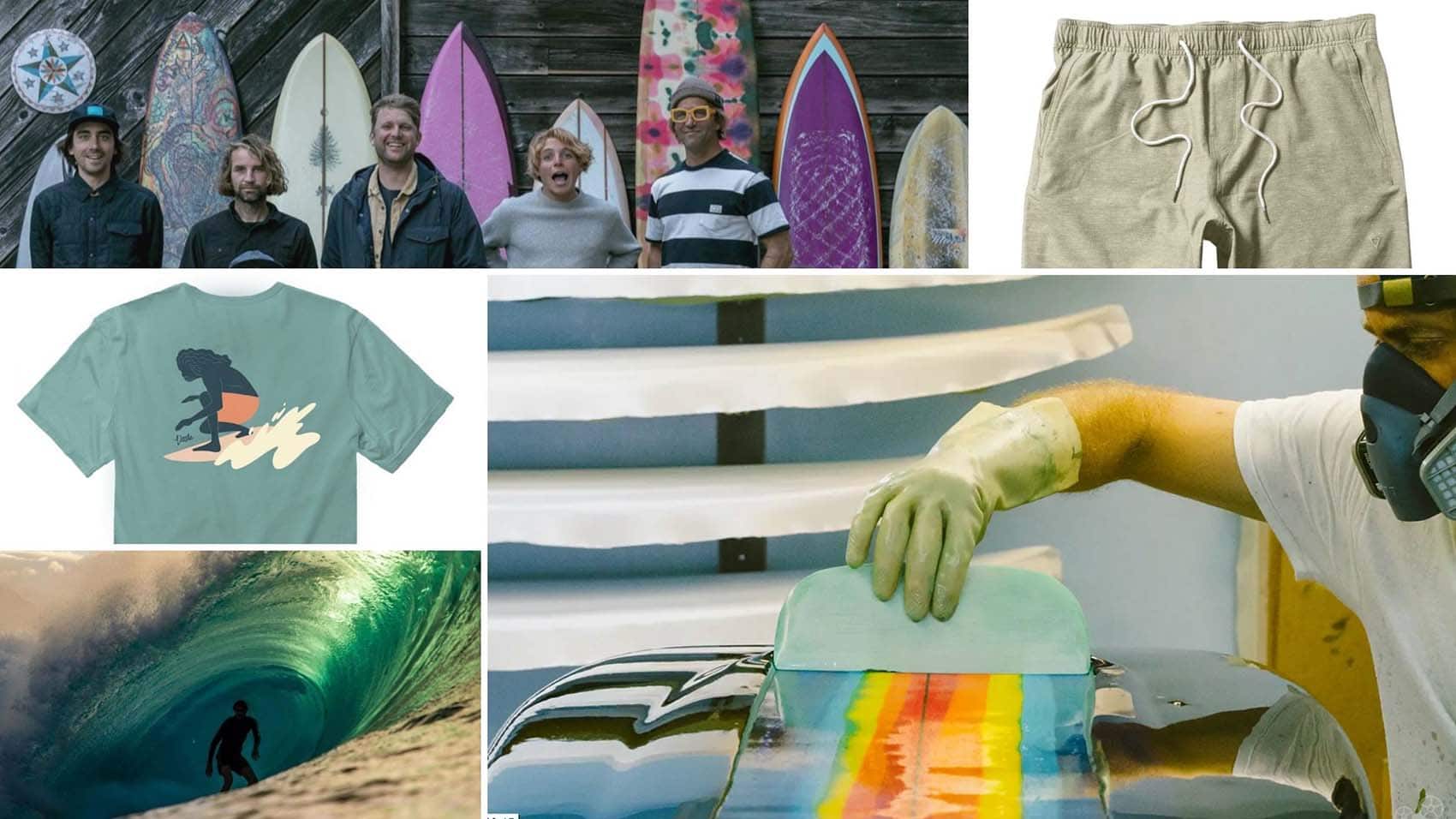
Florence Marine X
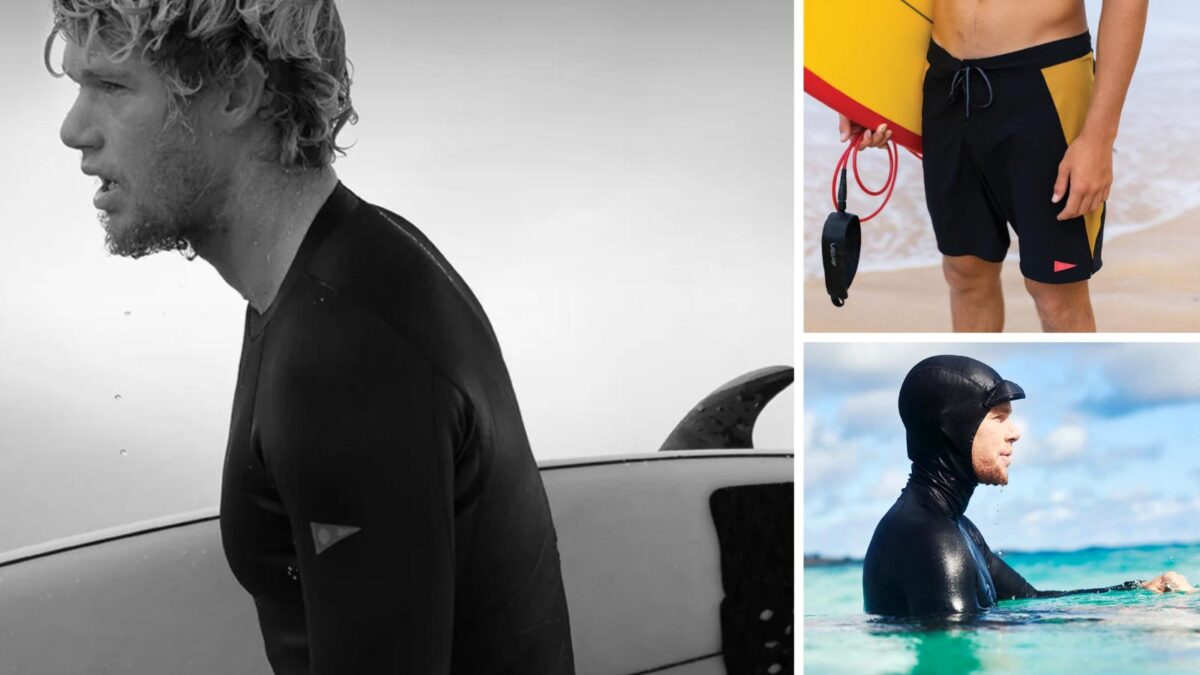
Founded by two-time world champion and Olympian John John Florence in 2021, Florence Marine X is what happens when the world's most technically gifted surfer decides he wants more control over his gear than a sponsor will allow. Florence had been a Hurley athlete since he was a kid; after Nike sold Hurley to Bluestar Alliance in 2019, he eventually pivoted to building his own brand from his home base on Oahu's North Shore.
The product line is tight and utilitarian — functional boardshorts, sun protection, and technical apparel that reflects how Florence actually uses gear. There's no marketing fluff, no streetwear pivot. Just the things a serious waterman needs. It's one of the most credible new surf brands of the last decade.
Patagonia
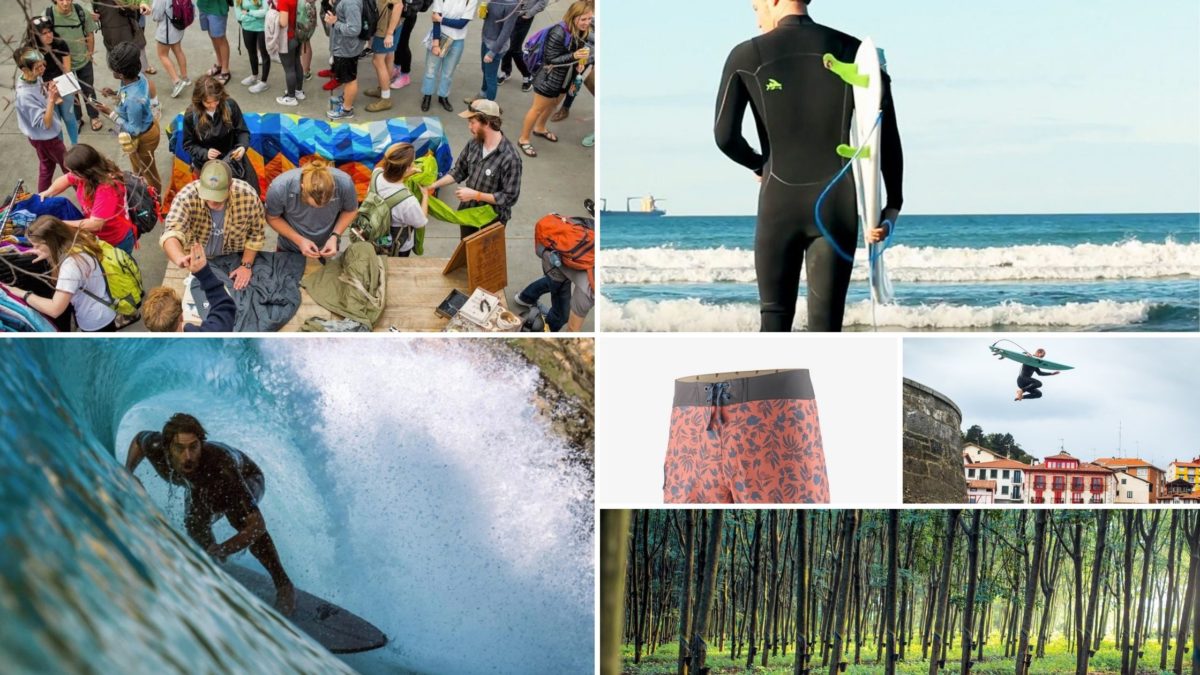
Patagonia isn't a surf brand in the traditional sense — Yvon Chouinard started the company making climbing gear in 1973 — but its impact on surfing has been outsized. The Yulex natural rubber wetsuit program, launched in partnership with Yulex Corporation, gave surfers the first credible alternative to petroleum-based neoprene. It forced the rest of the industry to take eco-neoprene seriously.
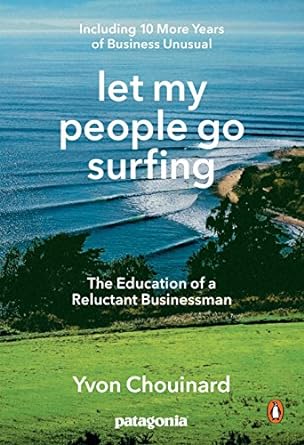
The company is also unique on this list in one structural sense: in 2022, Chouinard transferred ownership to a trust and a nonprofit, effectively making the Earth its sole shareholder. All profits not reinvested in the business now go to fighting the environmental crisis. It holds the world's highest B Corp score. Chouinard's book Let My People Go Surfing is required reading for anyone interested in how business and stewardship can coexist.
Read on Surfd
Rip Curl
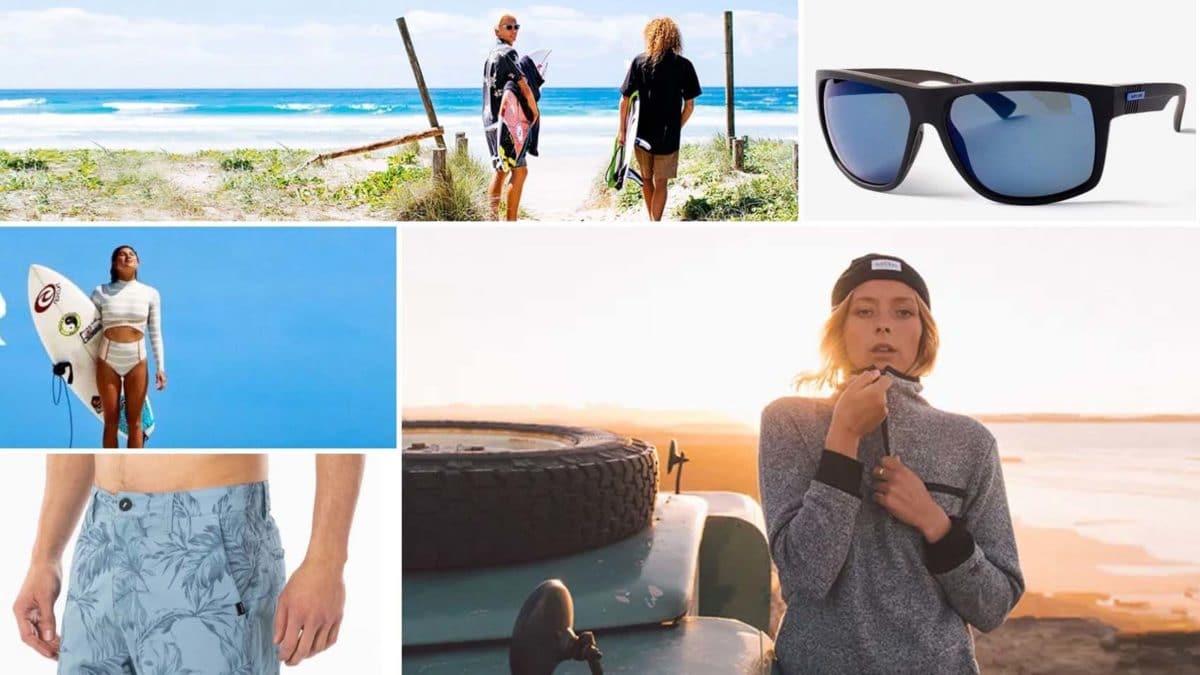
Founded in 1969 by Doug "Claw" Warbrick and Brian "Sing Ding" Singer at Bells Beach, Victoria, Rip Curl built its reputation on wetsuit innovation — the Flashbomb lining, E-Bomb neoprene, and a generation of cold-water tech that defined what a high-performance suit could be. The "Live The Search" tagline has held up better than most surf-brand slogans.
Kathmandu (now KMD Brands) acquired Rip Curl for AU$350 million in 2019. Under that umbrella, Rip Curl has continued to operate as an independent brand from Torquay, and recently rolled out OCENA bio-based neoprene as its sustainability play. As of 2026, KMD Brands has been under pressure from a group of former Billabong executives — including Paul Naudé and Derek O'Neill — pushing for Rip Curl to be carved out and sold separately. Whatever happens, the brand itself remains one of the strongest in the water.
Read on Surfd
O'Neill
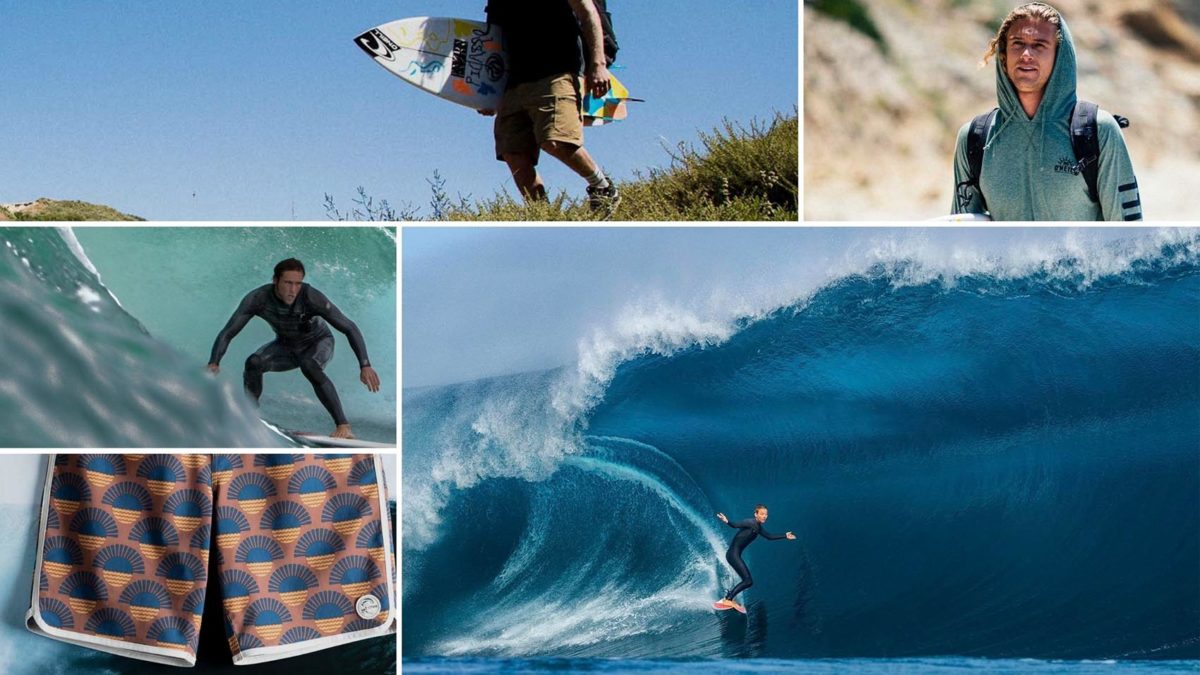
Jack O'Neill started experimenting with neoprene in 1952 out of a garage on San Francisco's Great Highway, and although the actual invention of the wetsuit is more accurately credited to UC Berkeley physicist Hugh Bradner, it was O'Neill who built the commercial wetsuit industry. He died in 2017 at 94. The brand he started is now split: O'Neill Wetsuits remains family-connected and runs out of Santa Cruz, while the apparel side is licensed and globally owned through Sisco Textiles in Luxembourg.
The Hyperfreak suits remain genuinely excellent — Technobutter neoprene is some of the most flexible material on the market, and the suits punch above their price point. The O'Neill Sea Odyssey program, started by Jack in 1996, has put over 100,000 kids through hands-on marine education for free. That legacy is worth supporting.
Read on Surfd
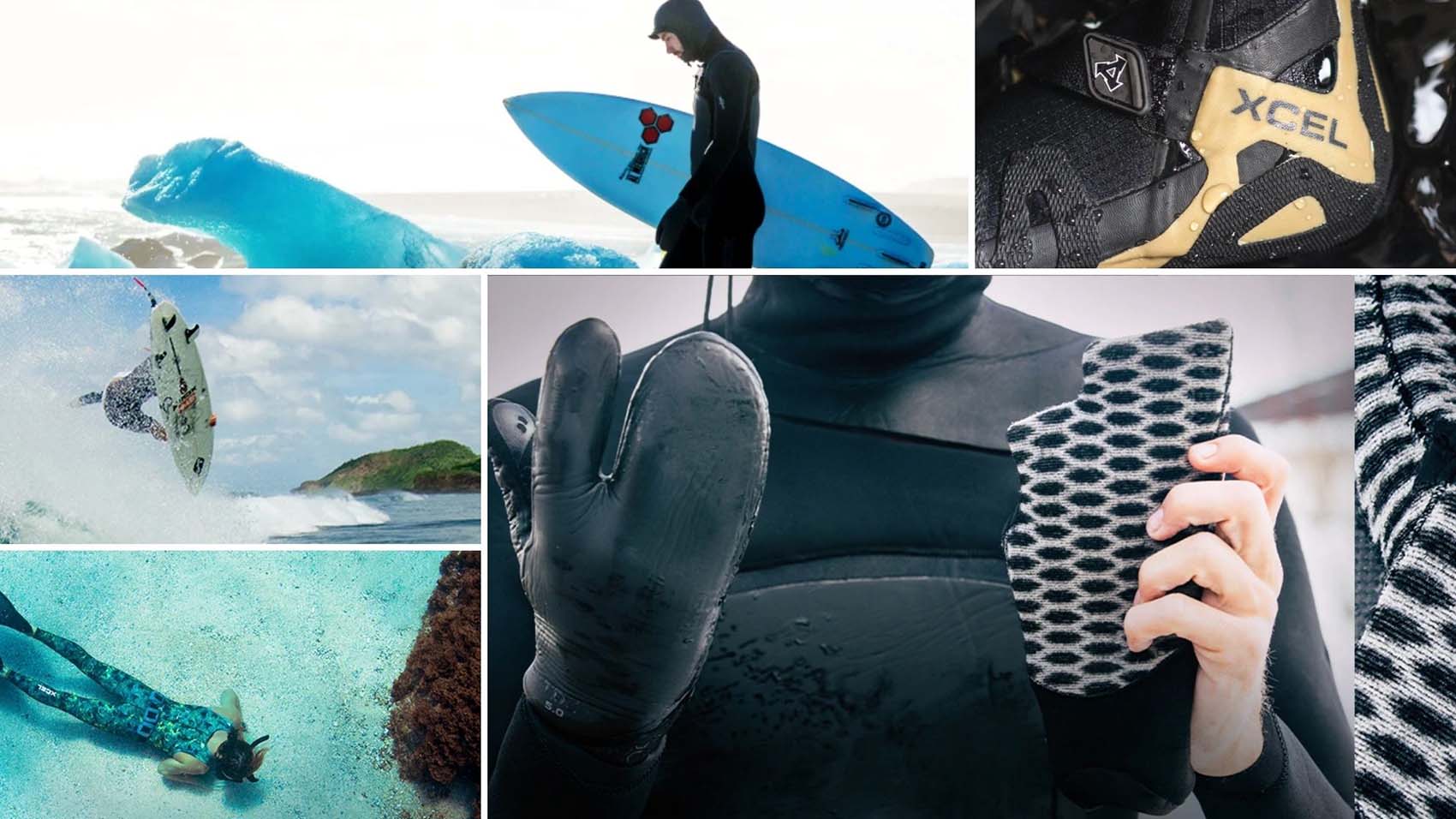
Xcel Wetsuits
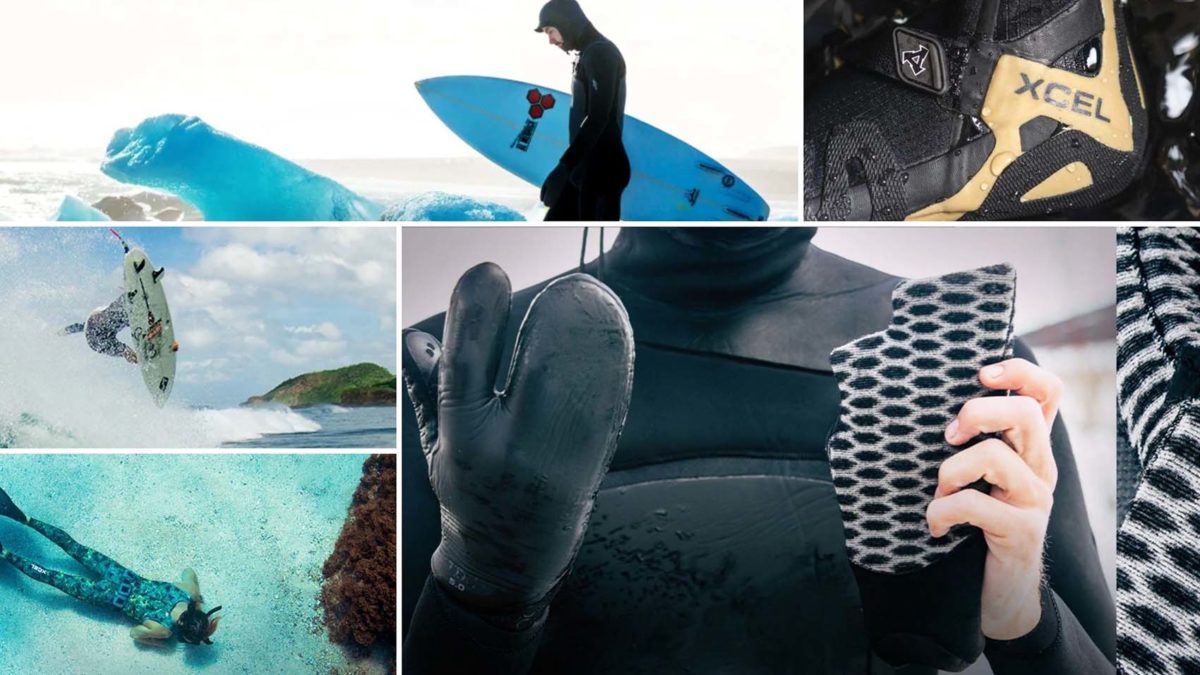
Founded on Oahu's North Shore in 1982, Xcel is the wetsuit brand that has quietly outperformed most of its better-known competitors. The Infiniti, Drylock, and Comp X suits consistently rank at or near the top of independent reviews for warmth, flexibility, and durability. Their TDC (Thermo Dry Celliant) lining tech actually works — it converts body heat into infrared energy, and you feel it on a cold winter morning at 6am.
We named Xcel our top wetsuit pick of 2024 for a reason. If your priority is the suit performing rather than the logo on it, this is where you start.
Read on Surfd

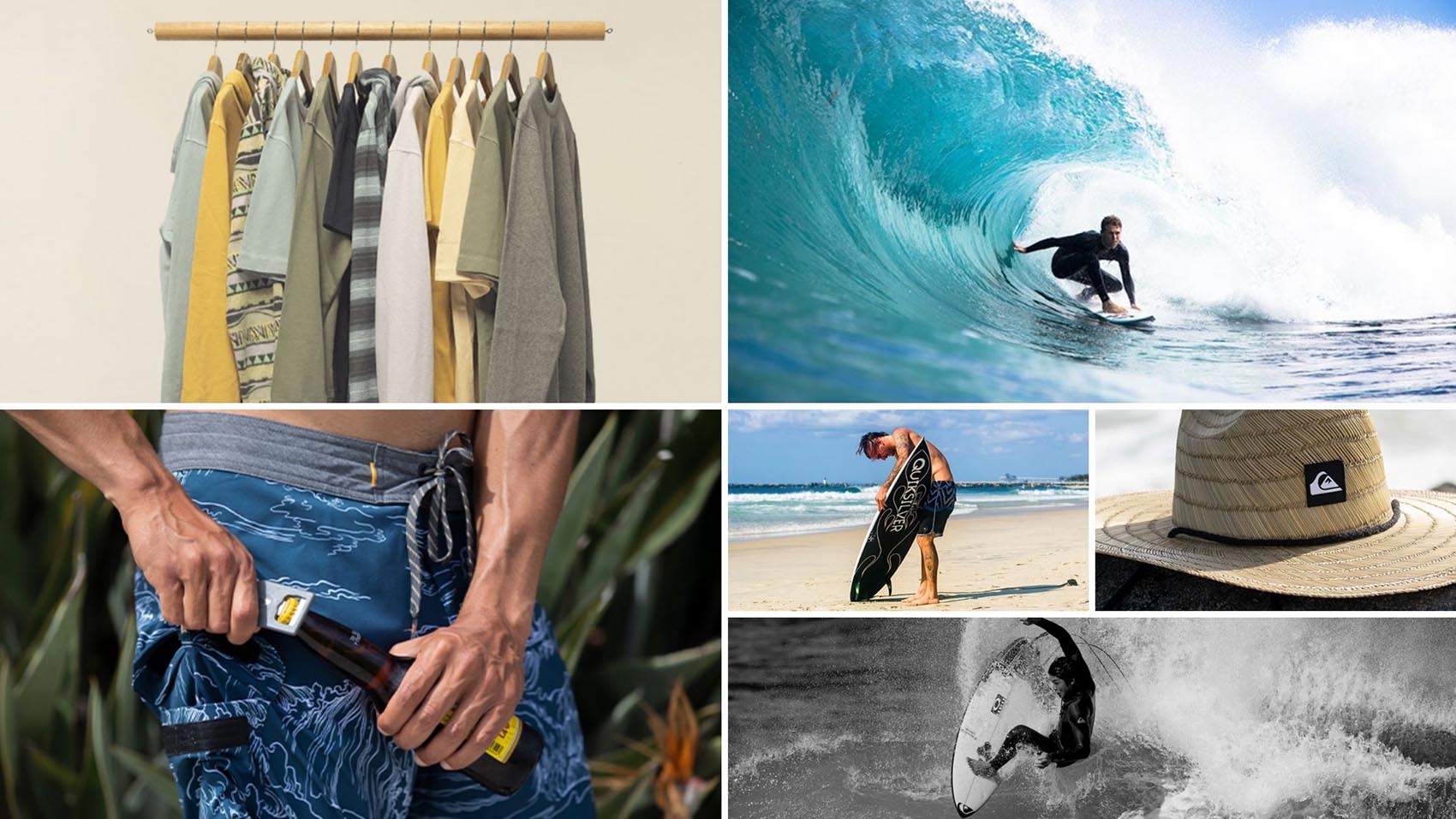
Quiksilver
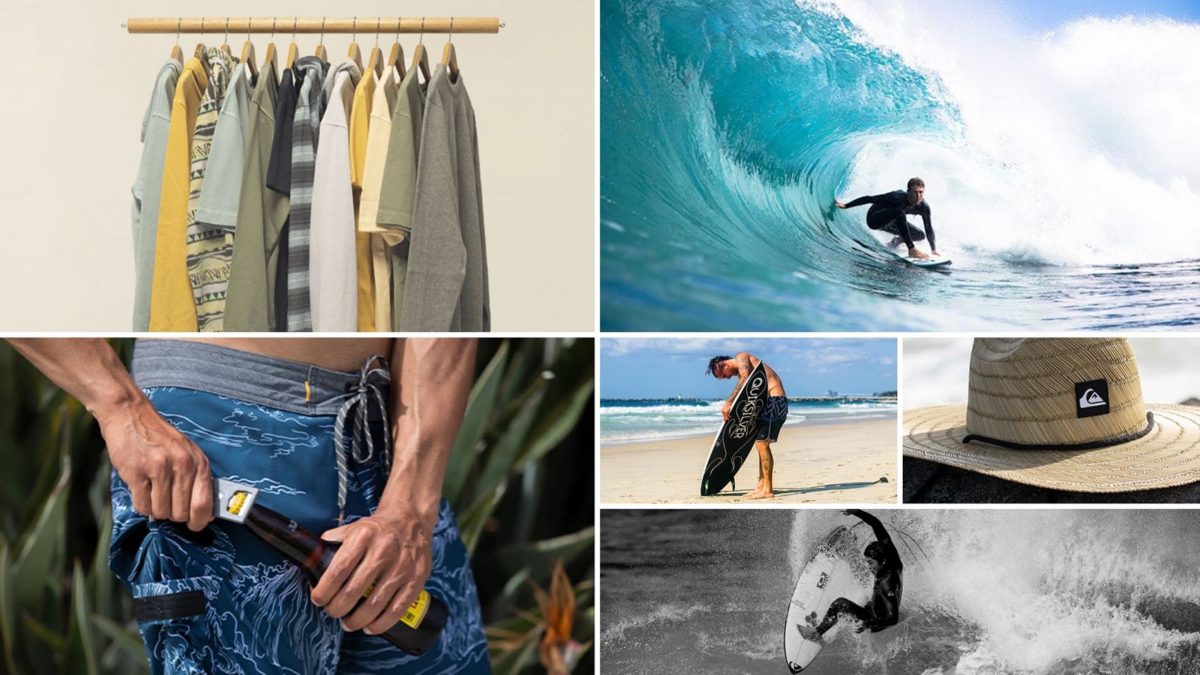
Quiksilver was founded in 1969 in Torquay, Australia (the same year as Rip Curl) by Alan Green and John Law. For three decades it was arguably the most iconic brand in surfing — Kelly Slater's longtime sponsor, the engine behind the Quiksilver Pro events, the boardshort by which all other boardshorts were measured.
The descent has been long. Bankruptcy in 2015, the Boardriders consolidation in 2018, sale to Authentic Brands Group in 2023, and the collapse of North American licensee Liberated Brands in early 2025 — which took the entire US store fleet down with it. The brand still exists, now licensed to O5 Apparel for North American wholesale, and the heritage is real. Whether the next chapter recovers what was lost is genuinely uncertain.
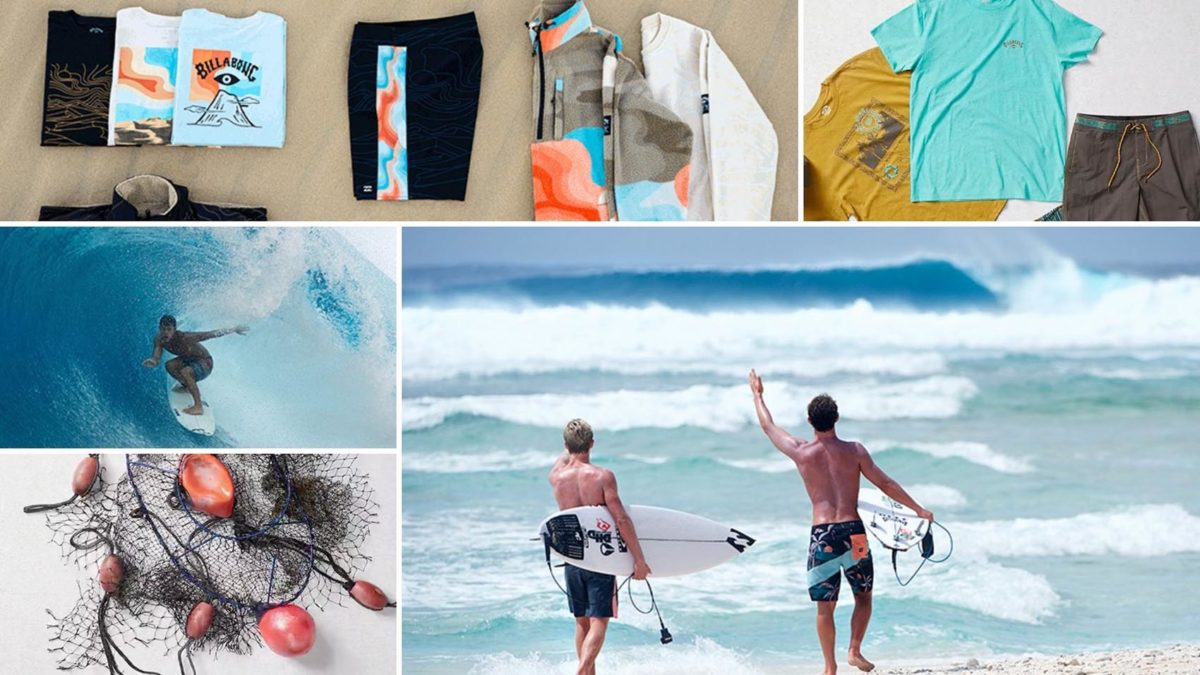
Billabong
Gordon Merchant started Billabong on Australia's Gold Coast in 1973, making boardshorts on his kitchen table. By the early 2000s, the company was sponsoring most of the world's top surfers and was synonymous with surf culture itself. "I surf because…" was on every other tee in the lineup.
Like Quiksilver, Billabong is now owned by Authentic Brands Group (since 2023) and was caught in the Liberated Brands collapse of 2025. The North American wholesale license has moved to O5 Apparel. Billabong still sponsors major events — the Pipeline Masters era was a peak moment — and the boardshort heritage remains. But the brand functions today more as a licensed IP than a coherent surf company.
Read on Surfd

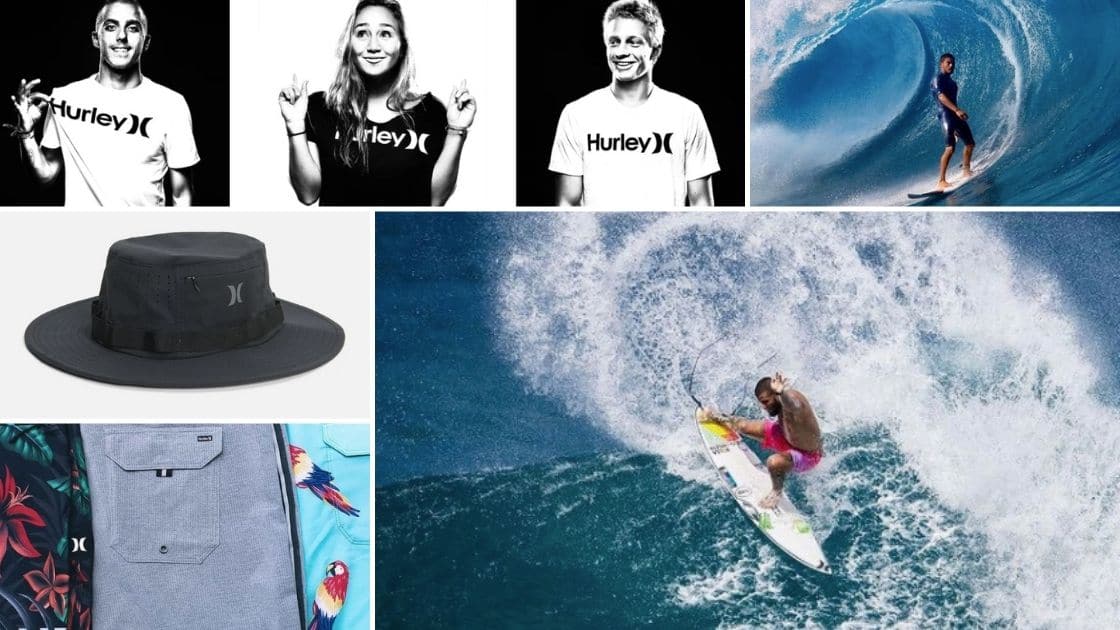
Hurley
Bob Hurley founded Hurley International in 1979 as the US distributor for Billabong, then launched it as a standalone brand in 1999. Nike acquired Hurley in 2002 for $95 million, and the brand went on a remarkable run on the back of riders like John John Florence, Carissa Moore, Filipe Toledo, and Kolohe Andino. The Phantom boardshort defined a generation of high-performance trunks.
Nike sold Hurley to Bluestar Alliance in late 2019, and the brand's surf-industry credibility took a hit when much of the marketing operation was dismantled and the athlete program reorganized. John John Florence eventually left to start Florence Marine X. Hurley still produces solid Phantom boardshorts and has presence in big-box retail, but it has lost most of its connection to the core surf scene.
Read on Surfd
Roxy
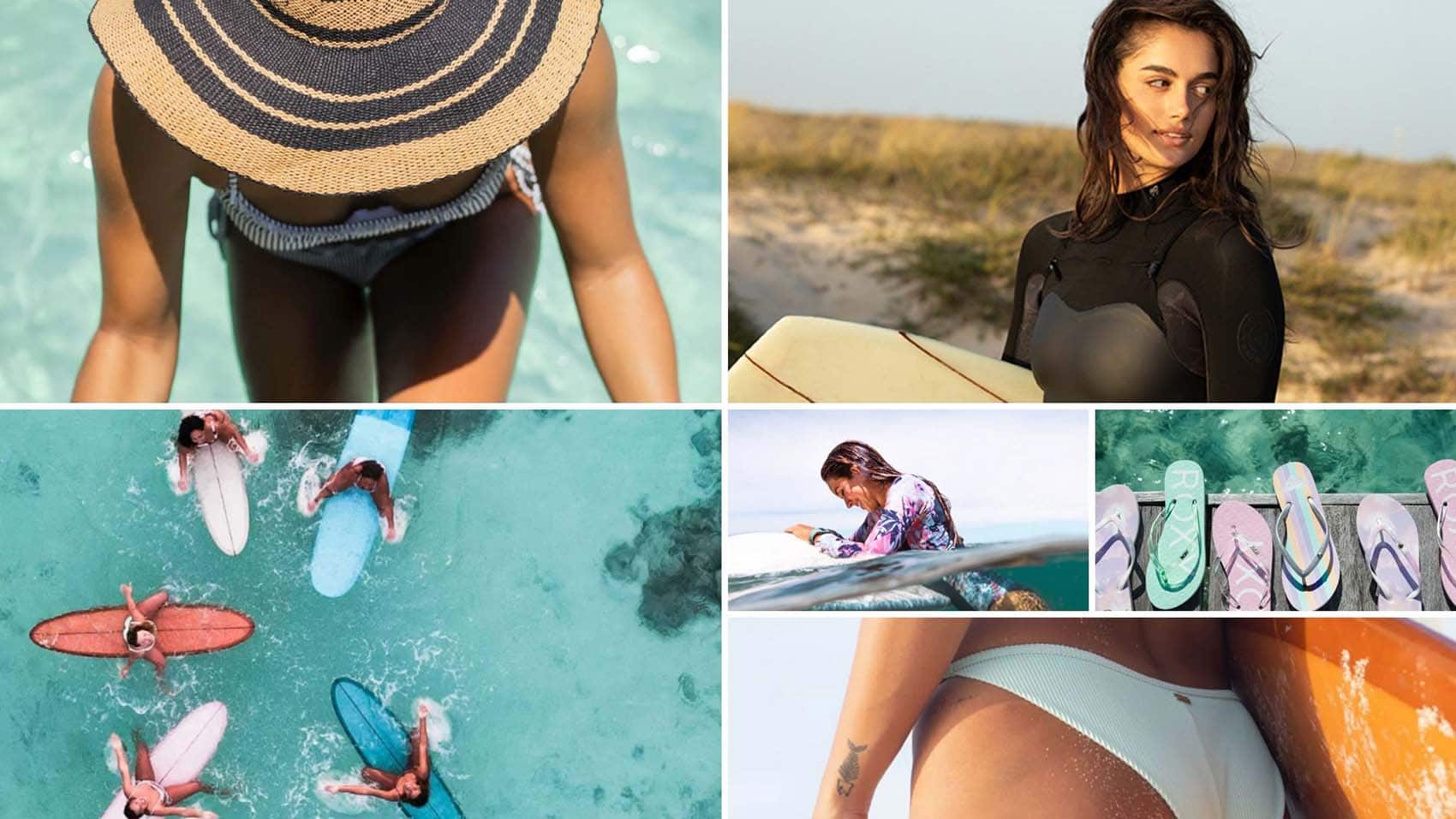
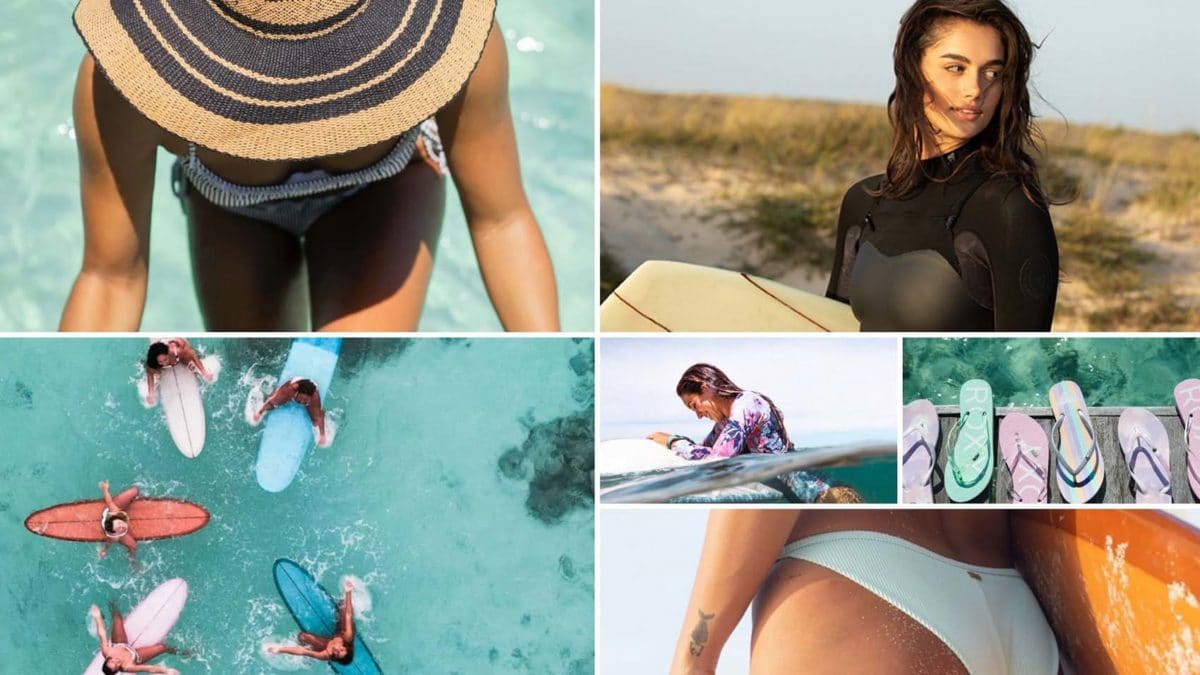
Roxy launched in 1990 as Quiksilver's women's line and became the largest women's surf brand in the world. Lisa Andersen wearing Roxy boardshorts in the 1990s was a watershed moment for women's surfing as both a sport and a market. Stephanie Gilmore, Caroline Marks, and Kelia Moniz have all carried the flag since.
Now part of the ABG portfolio after the 2023 Boardriders acquisition, Roxy is in the same transitional state as Quiksilver and Billabong — North American licenses have shifted, retail footprint has shrunk, and the brand is being repositioned for a different retail era.
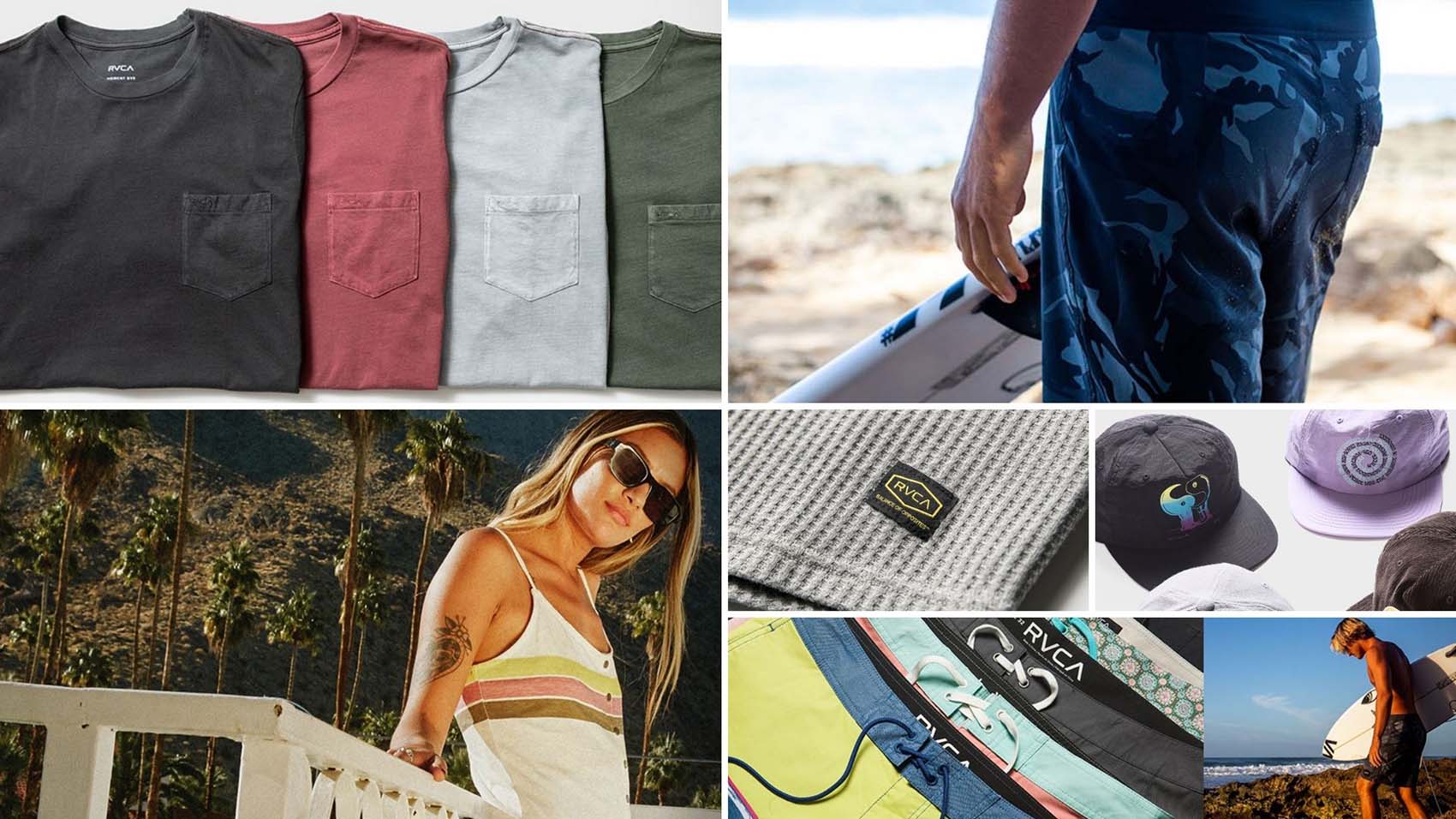
RVCA
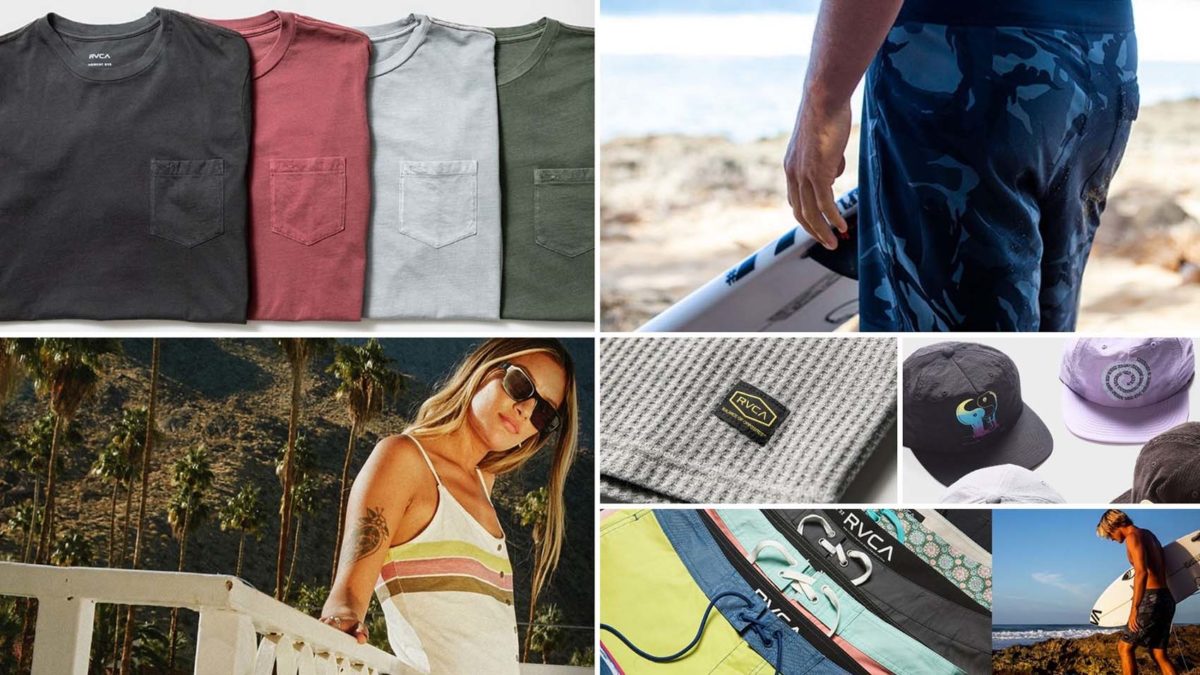
Pronounced "Roo-Ka," RVCA was founded by PM Tenore and Conan Hayes in 2001 to operate at the intersection of art, surf, skate, and modern lifestyle. The "Balance of Opposites" branding actually meant something — RVCA built a strong artist network and never quite acted like a traditional surf brand. The combat sports arm (BJ Penn, then onward) was equally distinctive.
Like the rest of the former Boardriders portfolio, RVCA is now an ABG-owned brand, and its North American wholesale license recently moved to Quetico Lifestyle Brands' Ethos Brands division. The aesthetic still resonates with a younger crowd. The question is whether the licensing model preserves what made RVCA distinct.
Read on Surfd

Volcom
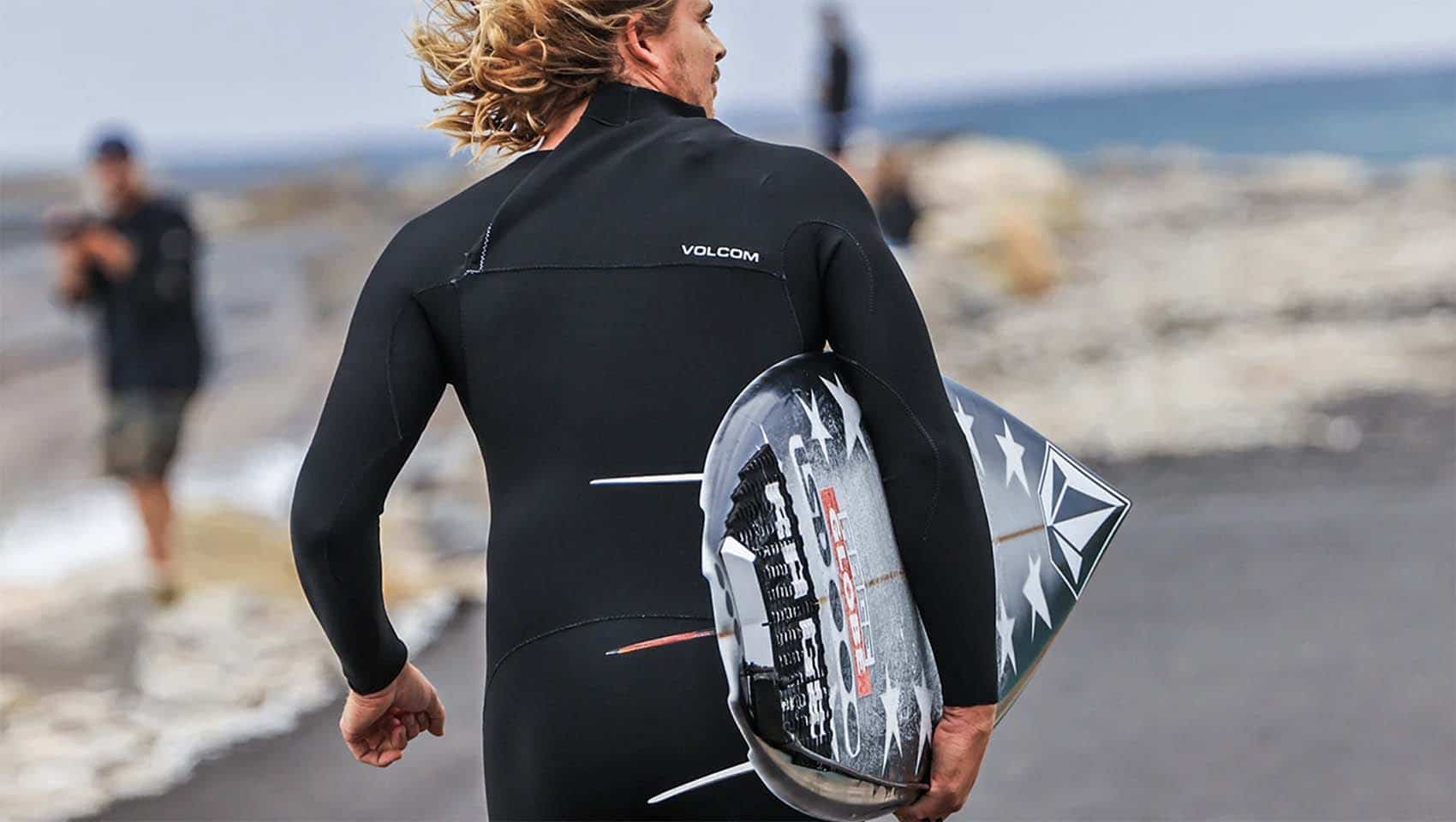
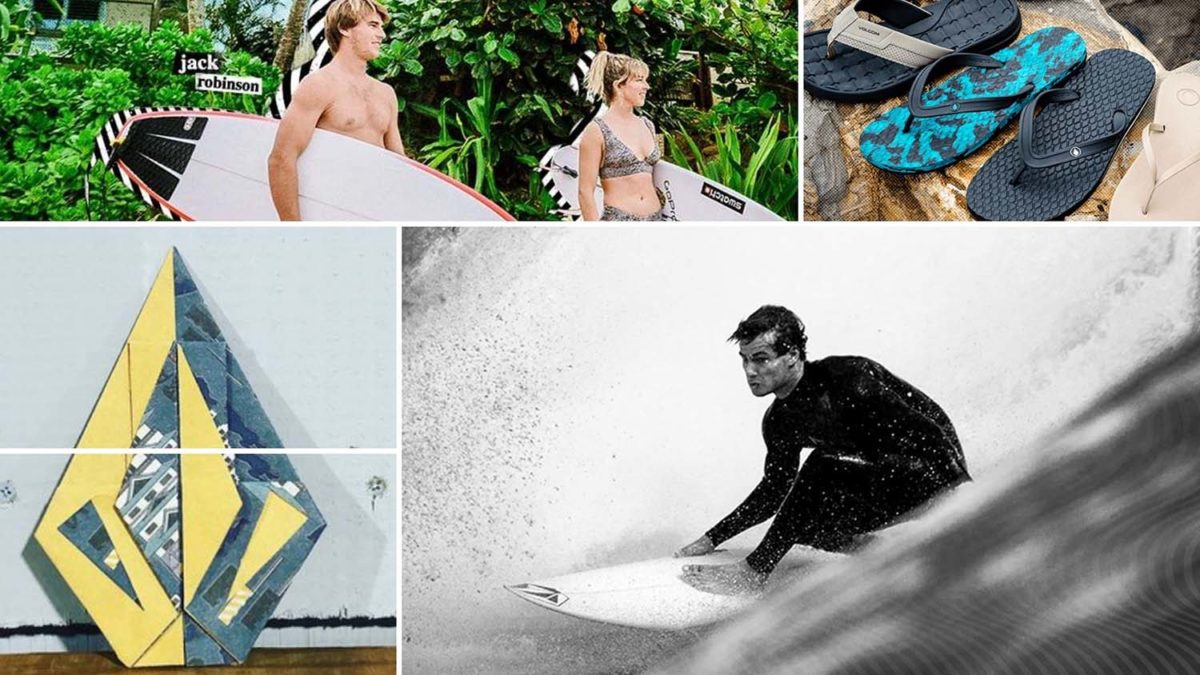
Richard Woolcott and Tucker Hall founded Volcom in 1991 after a Tahoe snowboard trip, and built a brand that genuinely captured surf, skate, and snow without feeling forced. The Stone logo and "Youth Against Establishment" tagline gave Volcom a punk identity that the bigger brands couldn't fake. Kering acquired it in 2011 for around $607 million; Authentic Brands Group bought it in 2019.
Volcom was caught in the Liberated Brands collapse. The North American wholesale license has now moved to The Levy Group. Like other ABG-owned surf brands, the underlying identity is still there in the product, but the cultural relevance it had in the 2000s and early 2010s has faded.
Read on Surfd

Vissla
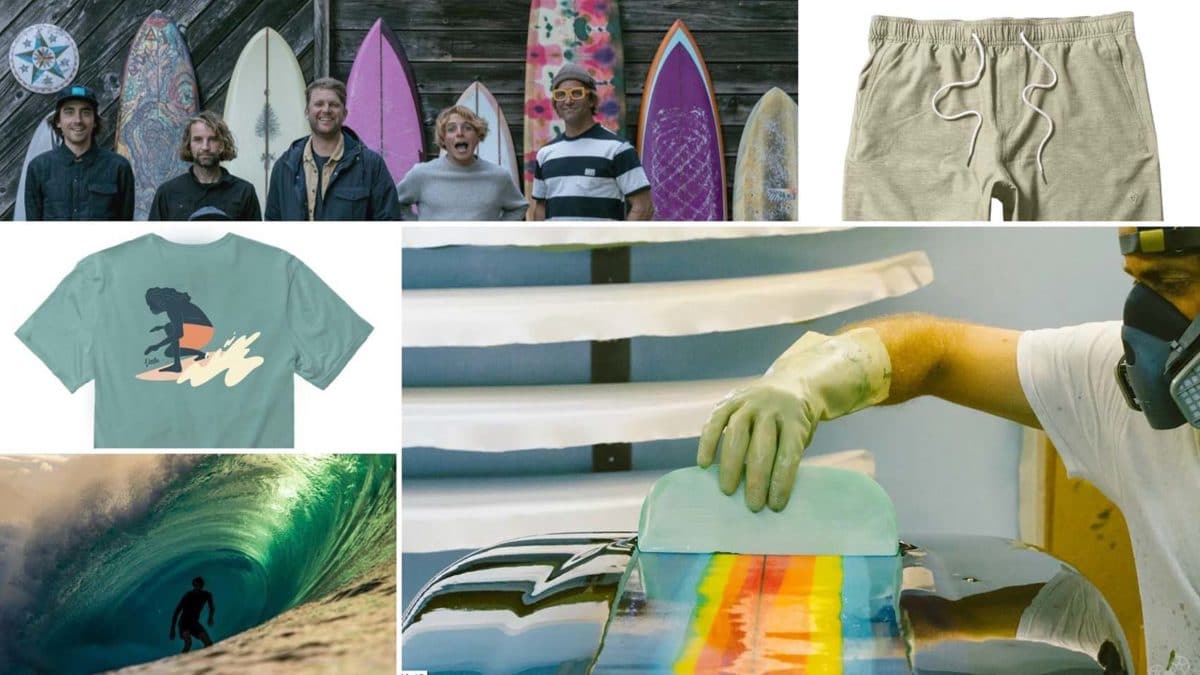
Founded by Paul Naudé in 2014 after his long run as Billabong North America's president, Vissla is one of the better answers to the question of what a 21st-century surf brand should look like. The "modern creators" positioning is genuine — the brand actively supports young surfers, shapers, and filmmakers, and the Creators & Innovators division has built real momentum.
The 7 Seas Eco wetsuits use limestone-based neoprene and recycled materials, and they're priced realistically. The boardshorts and casual apparel hit the mark for surfers who want something other than the legacy mall brands.
Read on Surfd
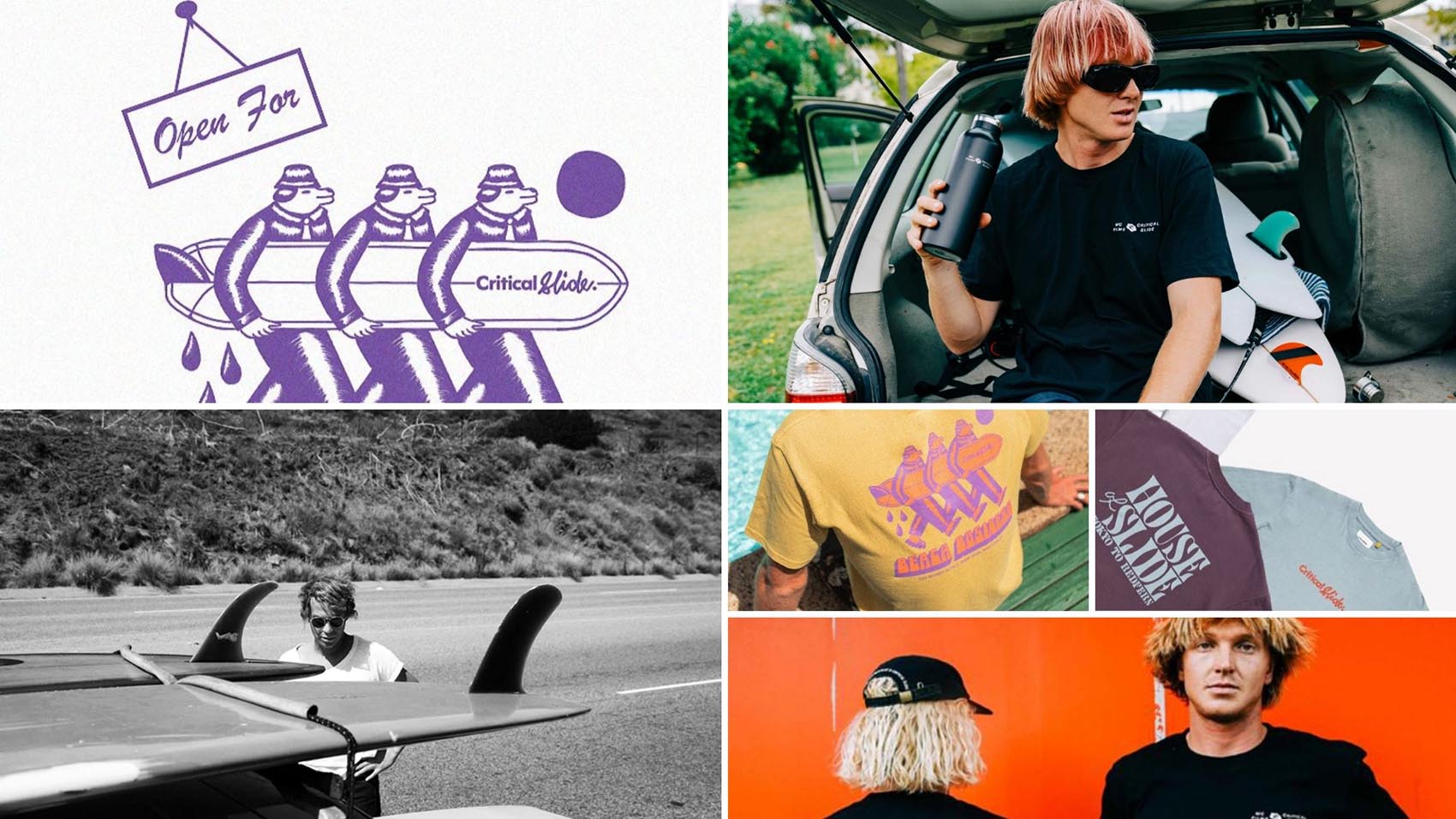
The Critical Slide Society
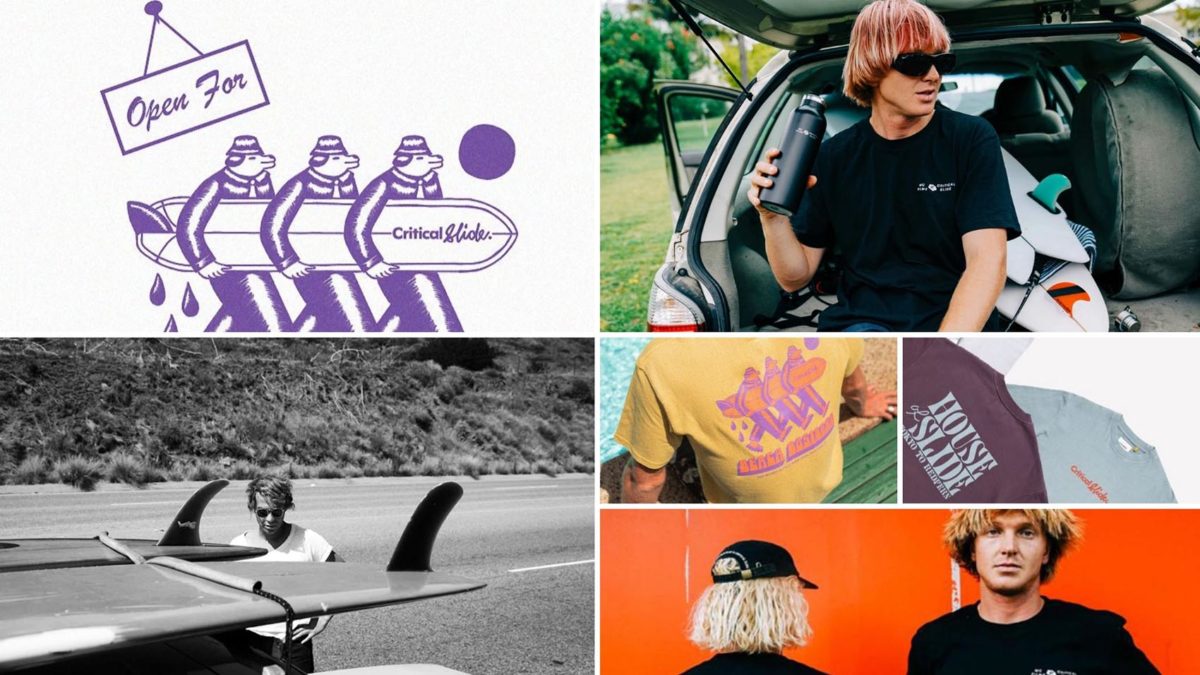
TCSS was founded in 2009 in a sleepy Central Coast NSW town by surfer-artists Jim Mitchell and Sam Coombes. It's the modern indie surf brand at its best: thoughtful design, real cultural fluency, a roster of collaborating artists and filmmakers, and zero interest in chasing mainstream retail. Their boardshorts have won the "Best Boardshort" award twice, and the cabana shirts and tees are everywhere in the Australian and Japanese surf scenes for good reason.
Read on Surfd
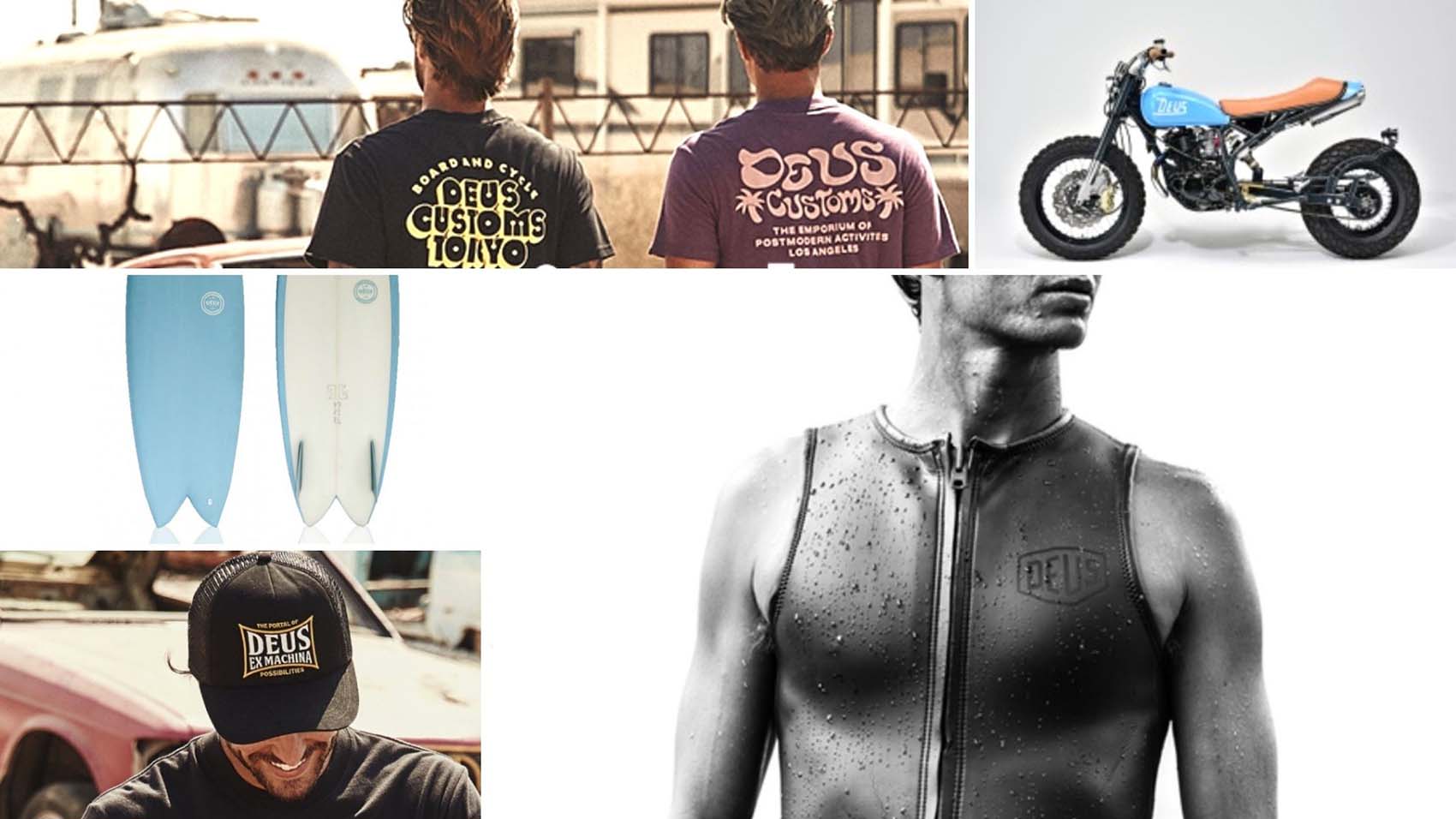
Deus Ex Machina
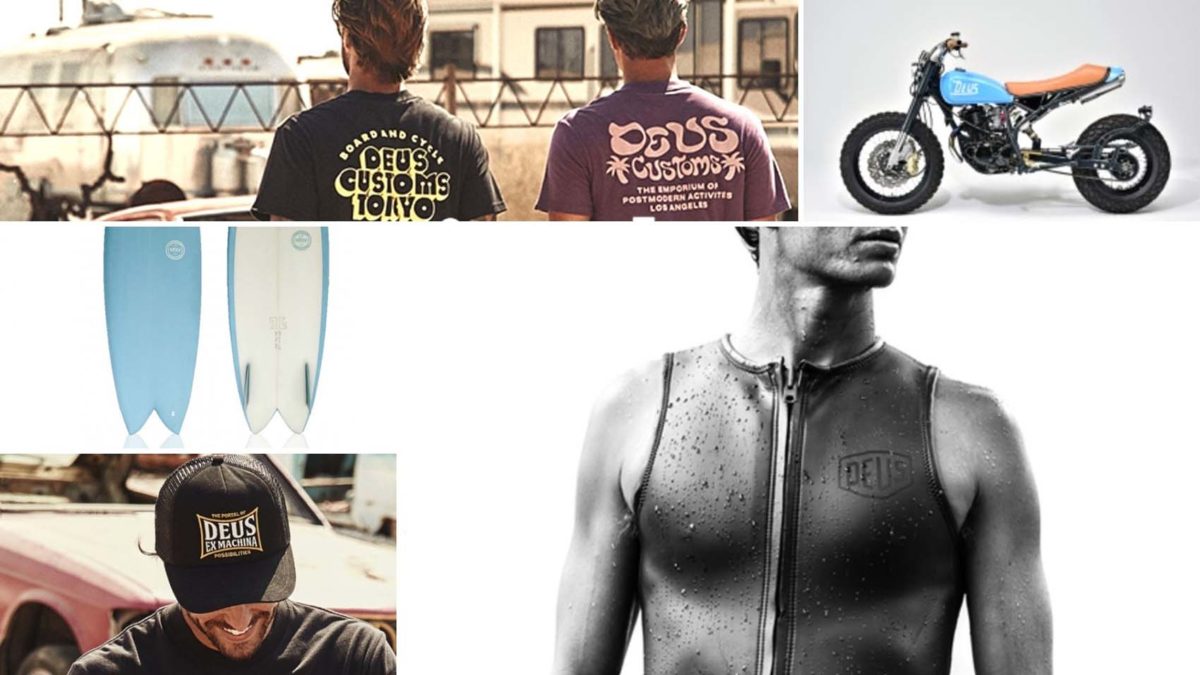
Deus is what you get when motorcycle culture and surf culture share a kitchen. Founded by Dare Jennings (also a Mambo founder) in Sydney in 2006, Deus operates the "House of Simple Pleasures" model — café, retail, custom motorcycle workshop, and surf gear under one roof. The brand is now genuinely global, with flagship "Temples" in Sydney, Bali, Milan, LA, and Tokyo.
The product range is wider than most surf brands — apparel, custom boards, motorcycles, café fitouts — but the surf credibility is real. The Deus 9ft & Single longboard event in Bali is one of the most distinctive contests on the calendar.
Read on Surfd

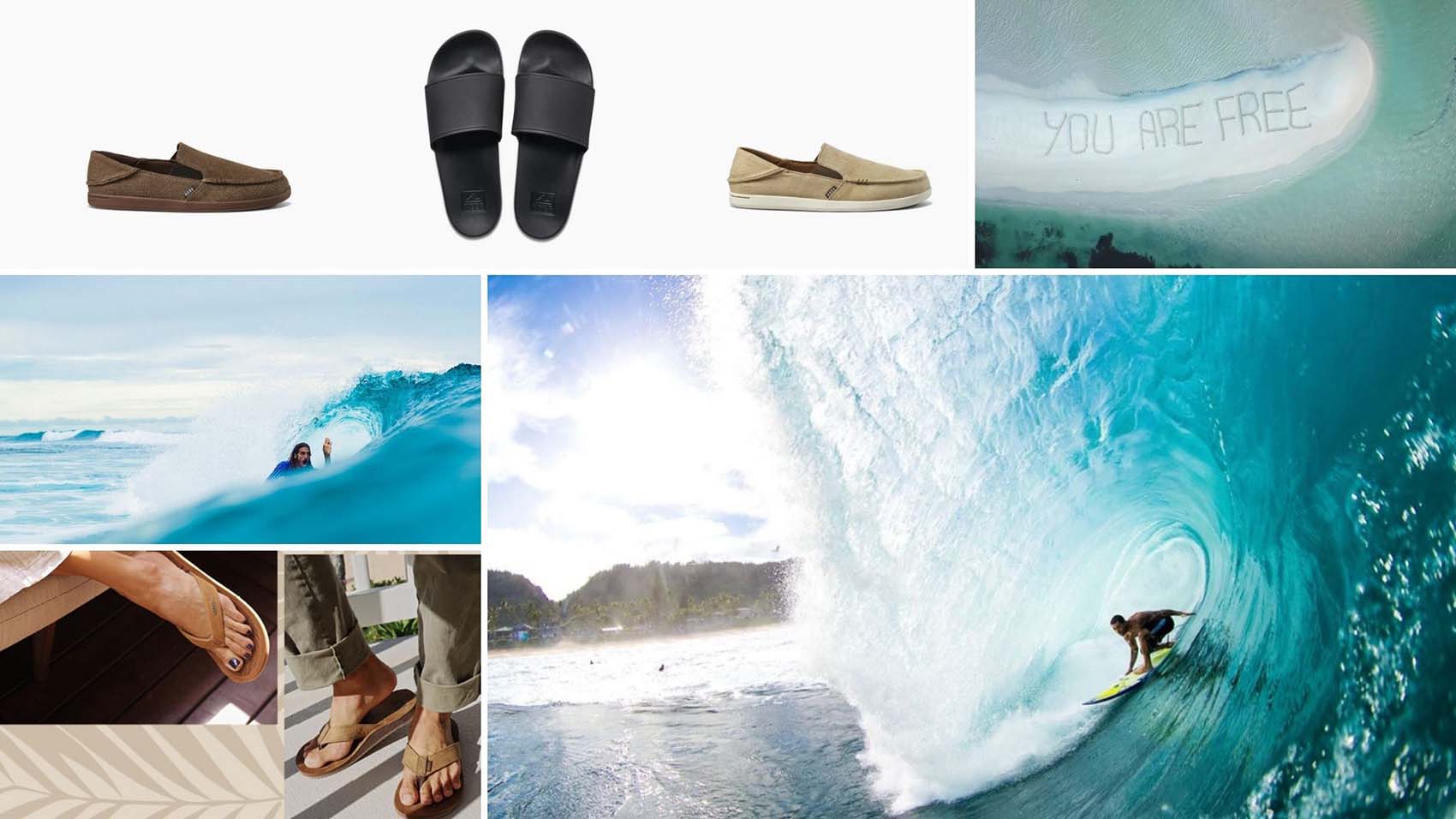
Reef
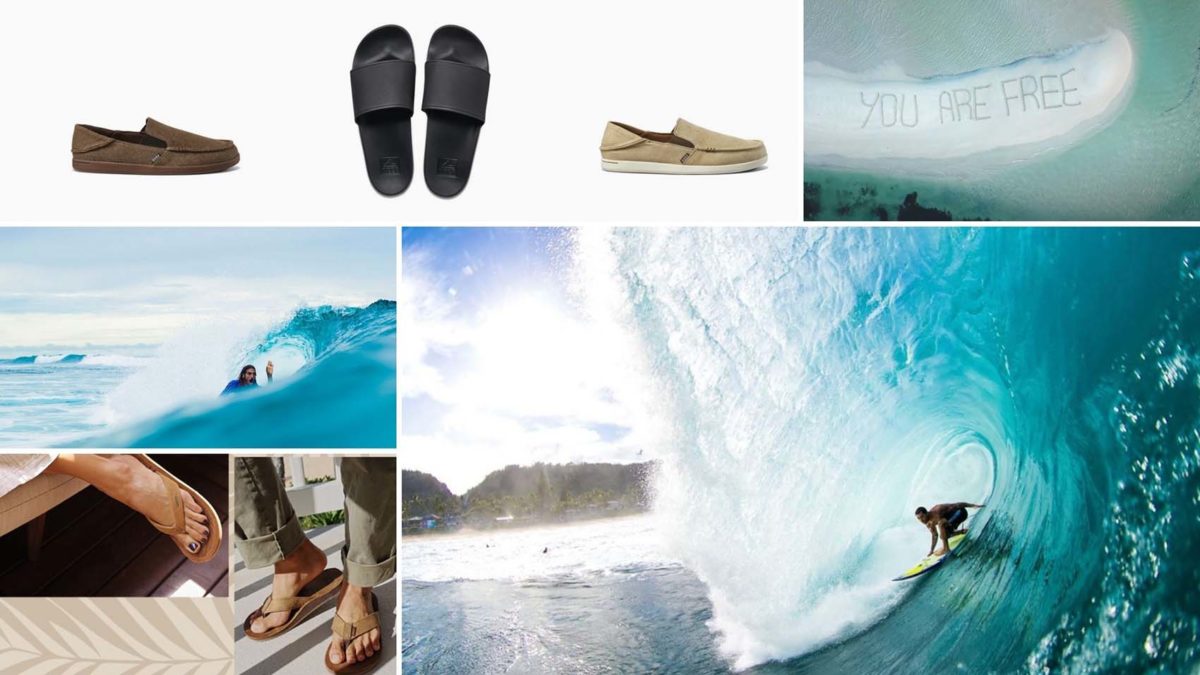
Argentine brothers Fernando and Santiago Aguerre founded Reef in 1984 with $4,000 and an idea about better sandals. They've since been responsible for more flip-flops on more beaches than probably anyone else on this list. The Aguerre brothers sold to Rockport-parent VF Corporation in 2005, and the brand has changed hands a few times since — most recently sitting under Boston-based Charlesbank Capital Partners.
The sandals are still good, the heritage is real, and the brand has put genuine energy into beach clean-up programs through the Reef Redemption initiative. Reef opened its first US retail store in Encinitas in 2023 — interestingly late for a brand approaching its 40th year.
Read on Surfd
Surfline
Surfline isn't a clothing label, but leaving it off a list of the most important names in surfing would be strange. Surfline is the forecasting and surf-cam network millions of surfers open before every session — often several times a day. Founded in 1985 by the late Sean Collins, it turned dawn-patrol guesswork into a science, and in 2023 it absorbed the much-loved Magicseaweed, cementing its place as the most trusted way online to know before you go.
Read on Surfd
Sanuk
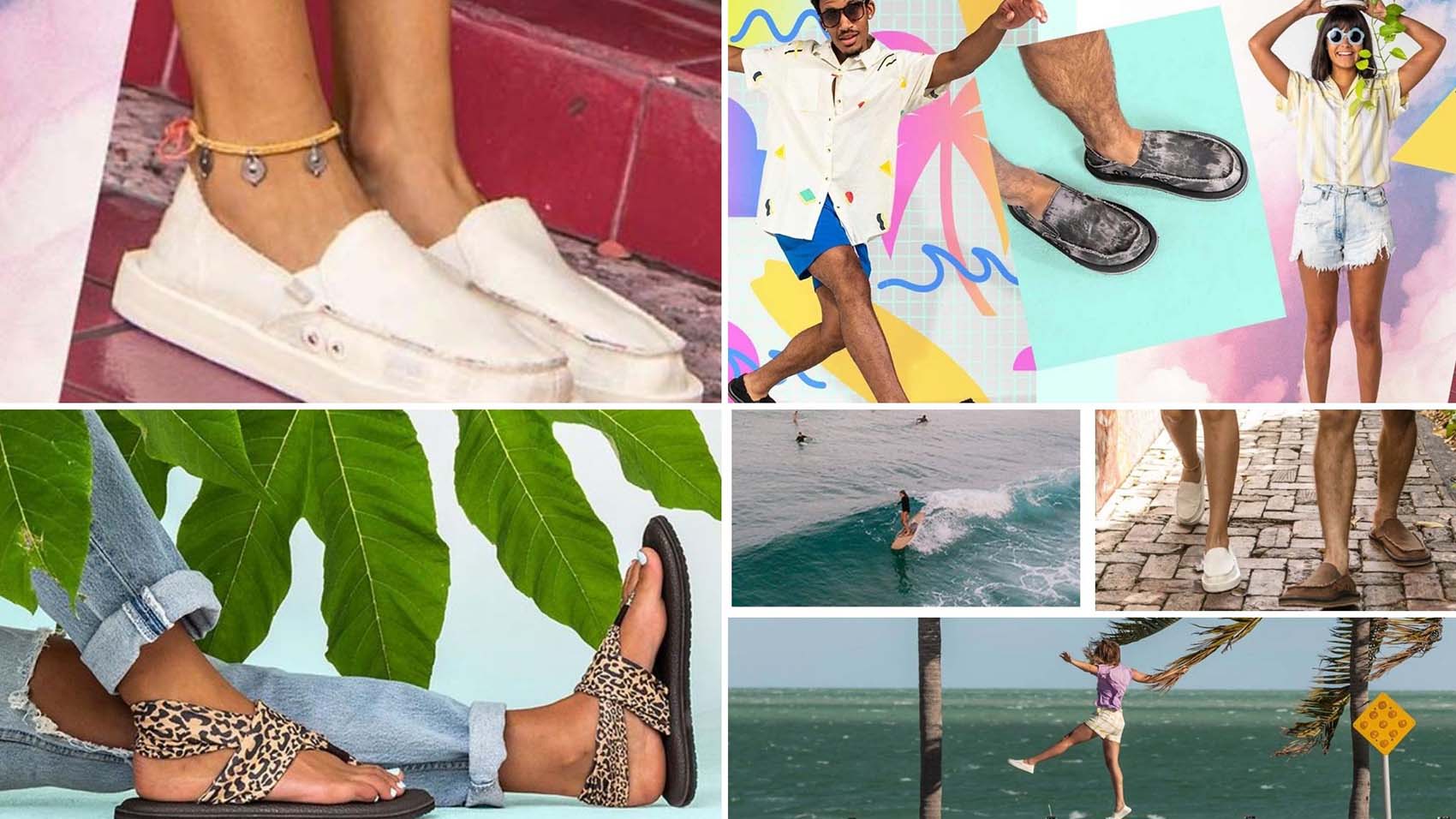
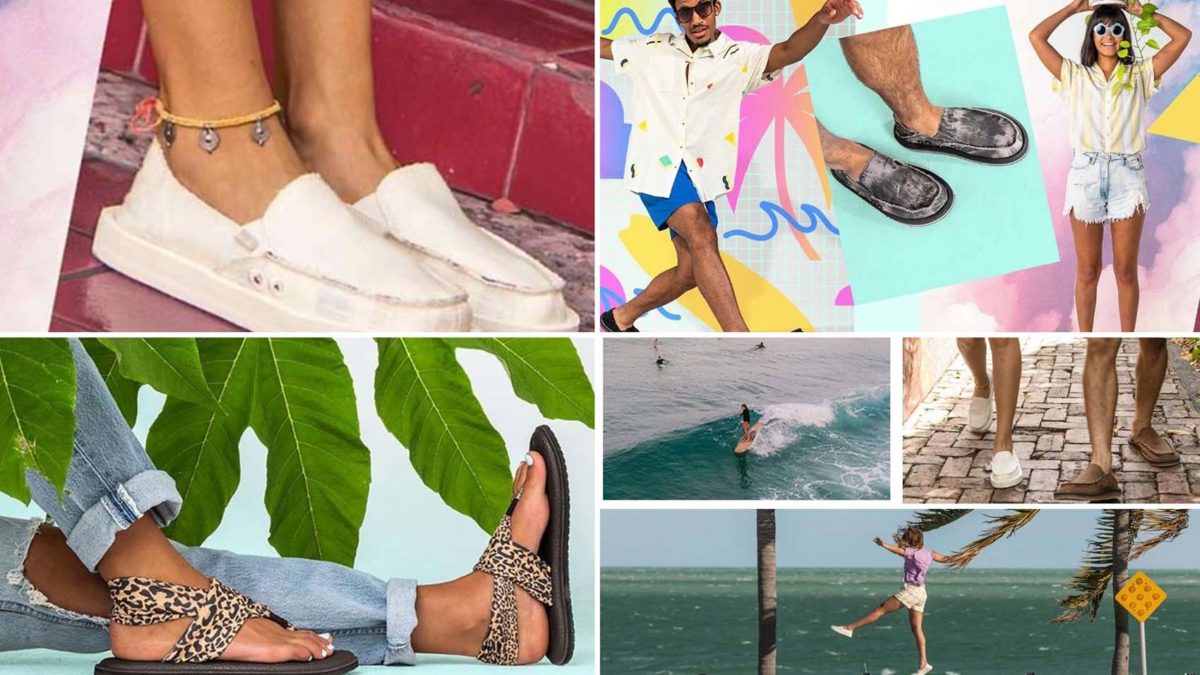
Sanuk (Thai for "fun") was founded by Jeff Kelley in 1997 — his first product was a sandal made from green indoor-outdoor carpet, which tells you what you need to know about the brand's irreverent streak. The yoga-mat-soled sandals and the patented "Sidewalk Surfer" pretty much invented the closed-toe casual category.
Deckers (UGG, Hoka, Teva) acquired Sanuk in 2011 for $120 million but divested it in 2024 to Montreal-based Lolë Brands. The brand has been quietly rebuilding under new ownership — the Bubblecush sandal range is showing real traction with Gen Z, and Sanuk is reasserting itself in core surf and outdoor retail rather than chasing big-box.
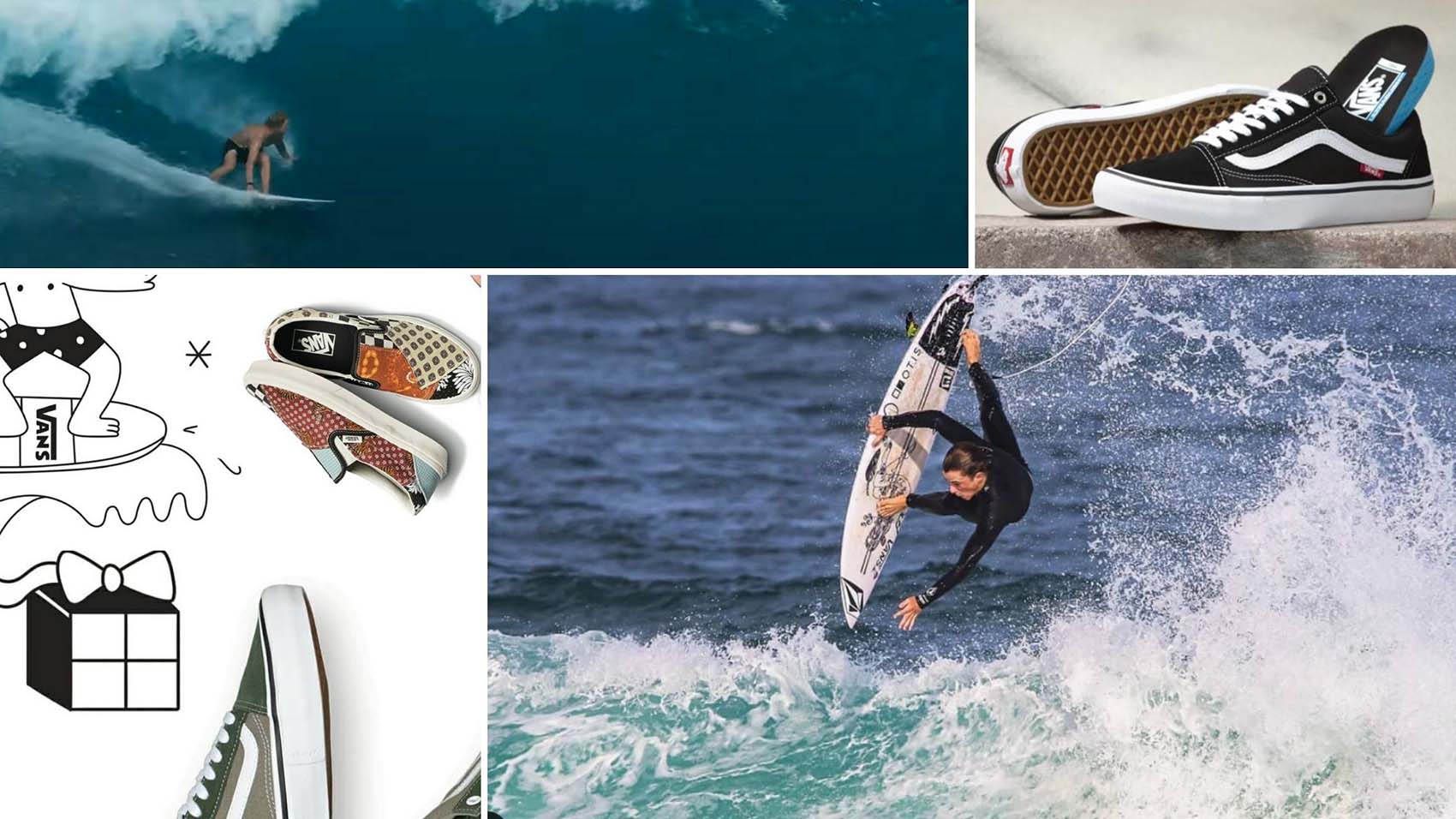
Vans
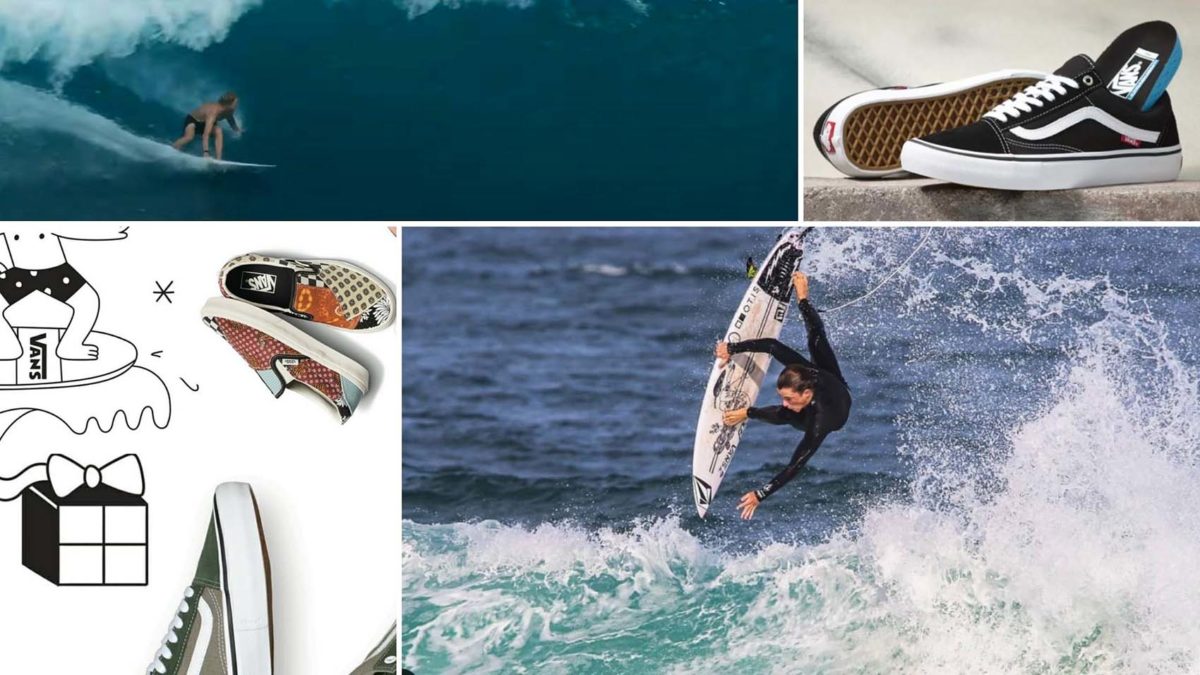
Vans started in Anaheim in 1966 as the Van Doren Rubber Company, making one-off shoes for skateboarders walking in off the street. By the 1970s the deck-shoe-with-grippy-sole formula had crossed over to surfing. The Vans Triple Crown of Surfing — the Hawaiian winter season's flagship event series — has been a fixture since the 1980s, and the brand still pours real money into surf culture.
Now owned by VF Corporation (which also has The North Face, Timberland, and Dickies), Vans has had a rocky couple of years commercially as the broader sneaker market shifted away from canvas classics. But the surf and skate credibility runs deep, and the brand continues to back grassroots events and athletes others have walked away from.
Read on Surfd

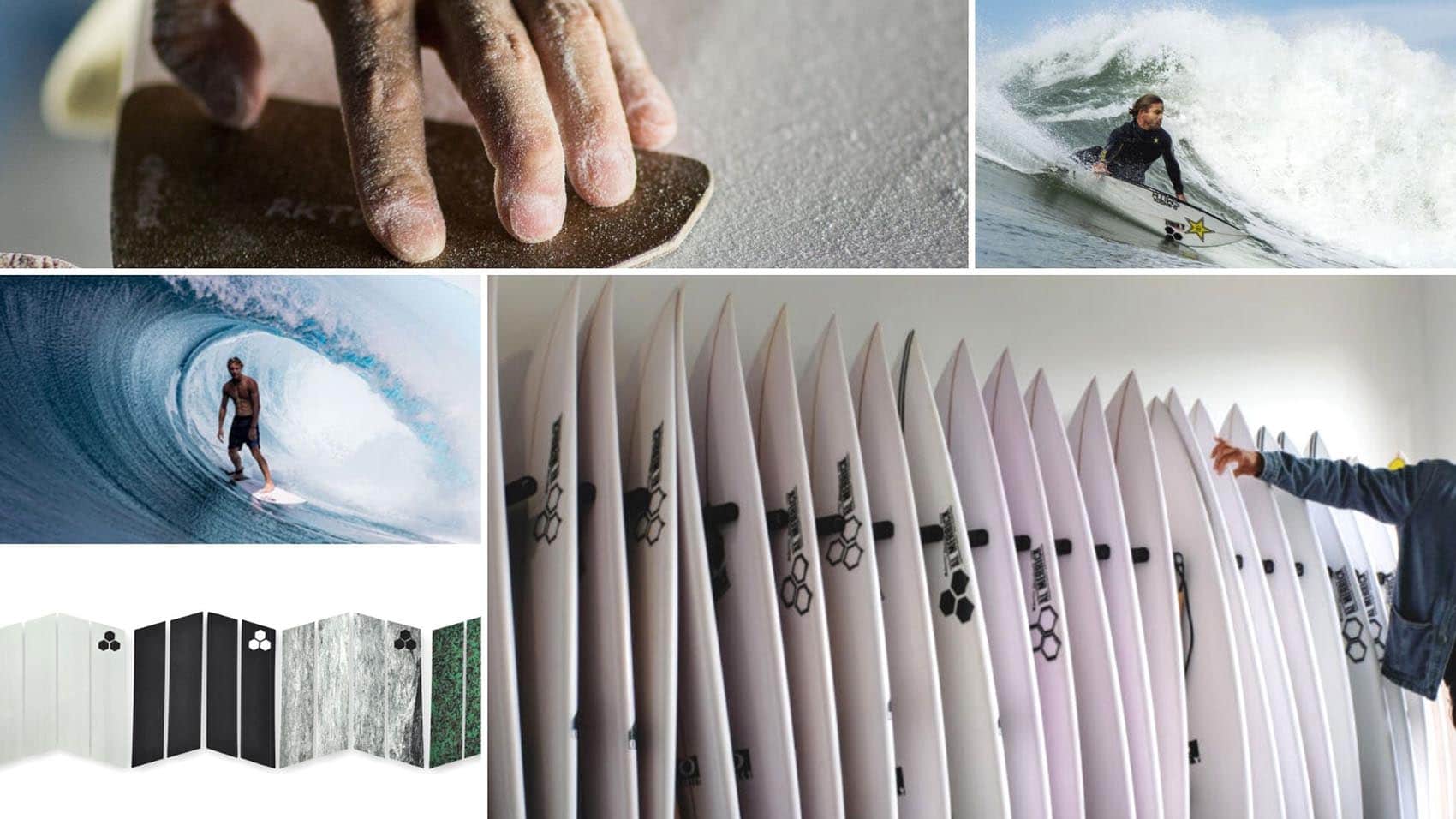
Channel Islands Surfboards
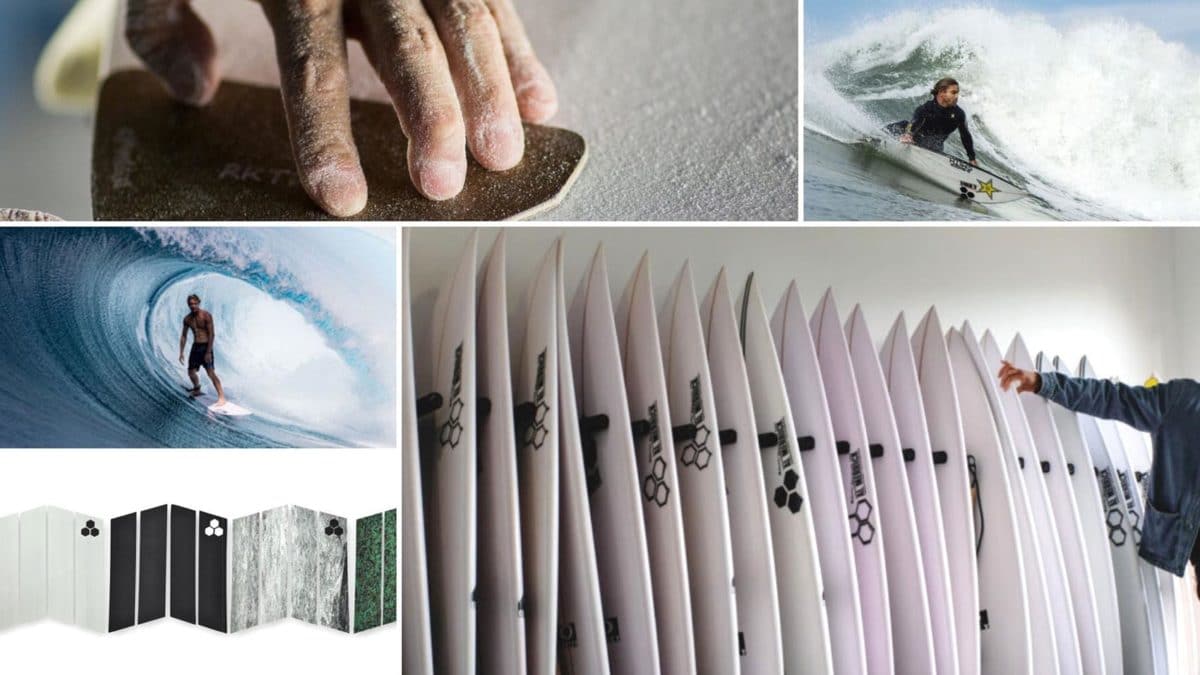
Al Merrick started shaping in Santa Barbara in 1969, and Channel Islands has been the most influential performance surfboard label of the modern era. Tom Curren, Kelly Slater, Dane Reynolds, and many world titles came off CI boards. Burton Snowboards acquired the brand in 2006, but in 2021 Al's son Britt Merrick — along with key employees and team riders including Dane Reynolds, Lakey Peterson, and the Gudauskas brothers — bought it back. CI is now privately held and employee-owned. It's one of the few good-news stories in modern surf industry M&A.
The current lineup — the Happy series, the Neck Beard 2, the FishBeard, the Rocket Wide — covers everything from groveler to step-up. Spine-Tek flex tech has held up. If you're buying one performance board for your quiver, CI remains the safe answer.
Read on Surfd

Firewire Surfboards
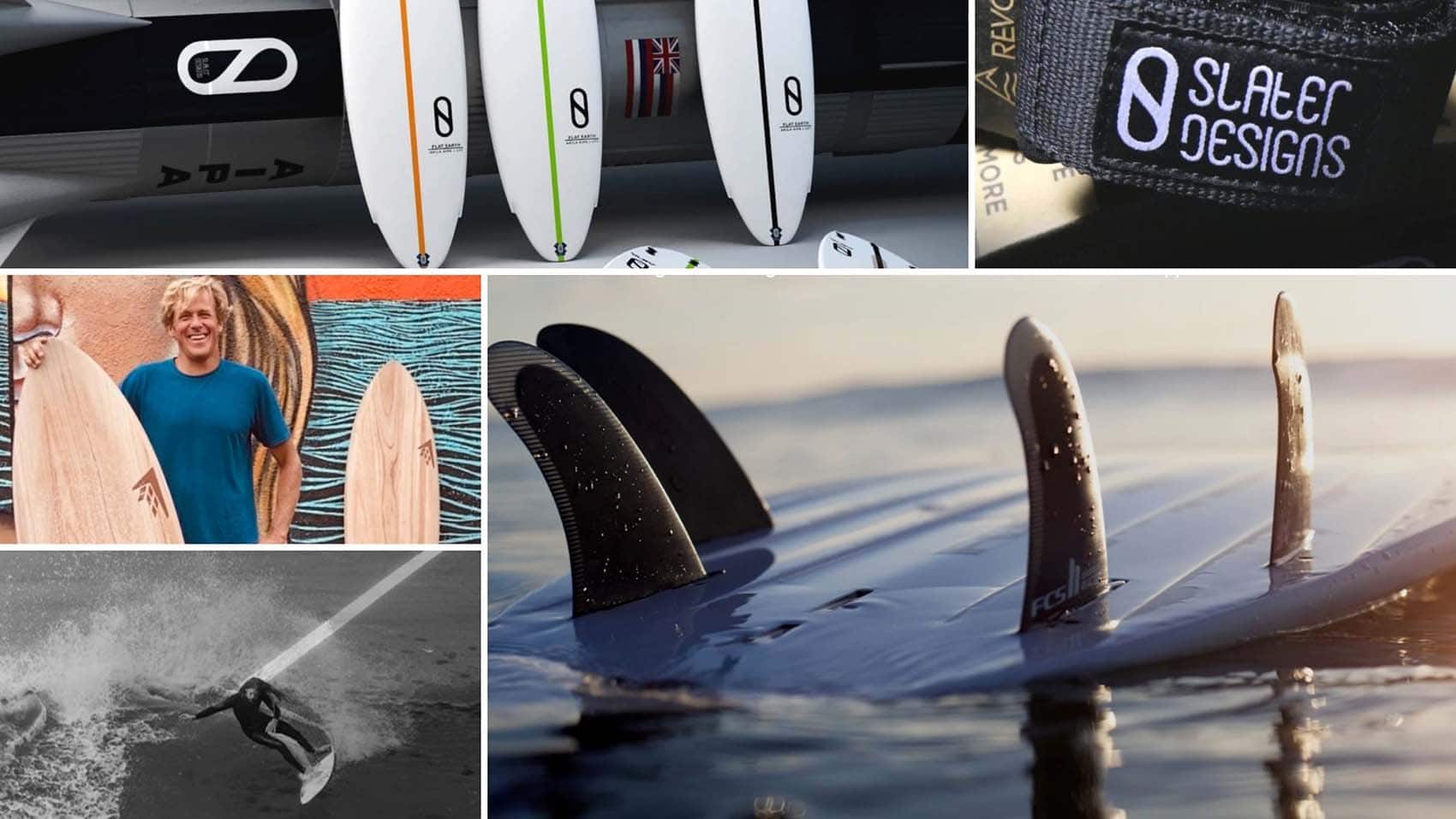
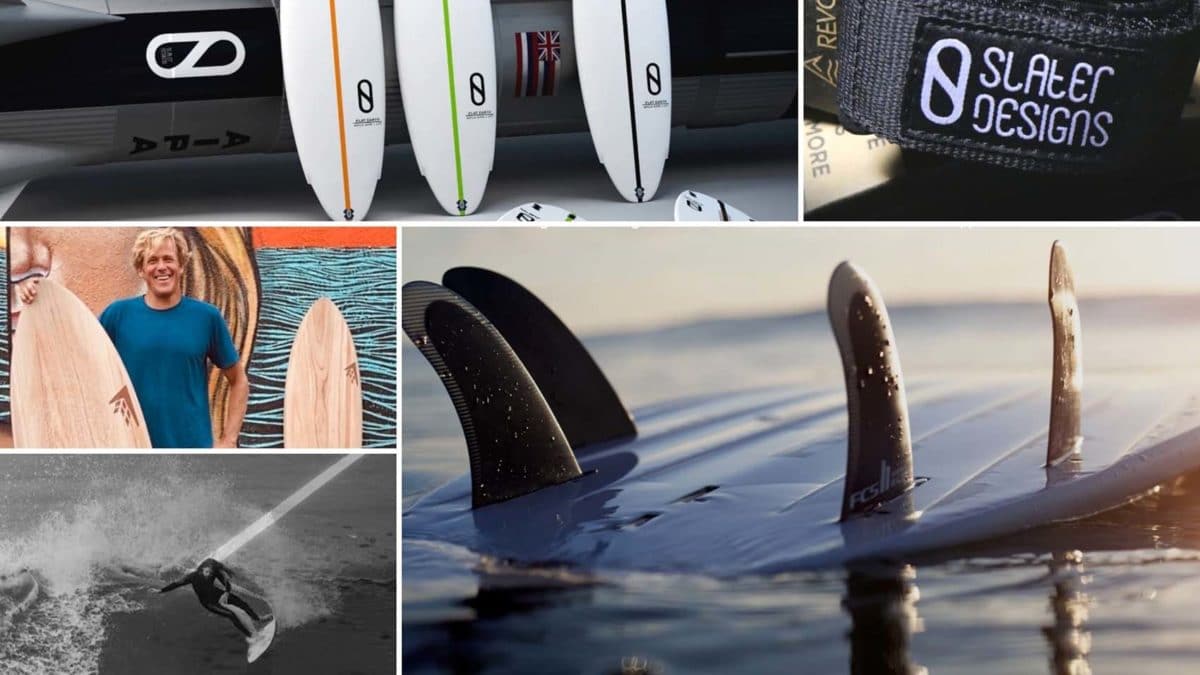
Firewire built its reputation on alternative surfboard construction — parabolic balsa rails, EPS cores, and a relentless focus on reducing the environmental cost of a polyester surfboard. Kelly Slater has been the majority shareholder since 2015, and Slater Designs sits inside the Firewire ecosystem alongside Daniel "Tomo" Thomson's hyperfunctional shortboard work.
The brand has consistently won "most sustainable surfboard manufacturer" awards, and the boards genuinely last — our Quadfish review from 2010 and our recent Twice Baked review track the same construction quality across more than a decade.
Read on Surfd
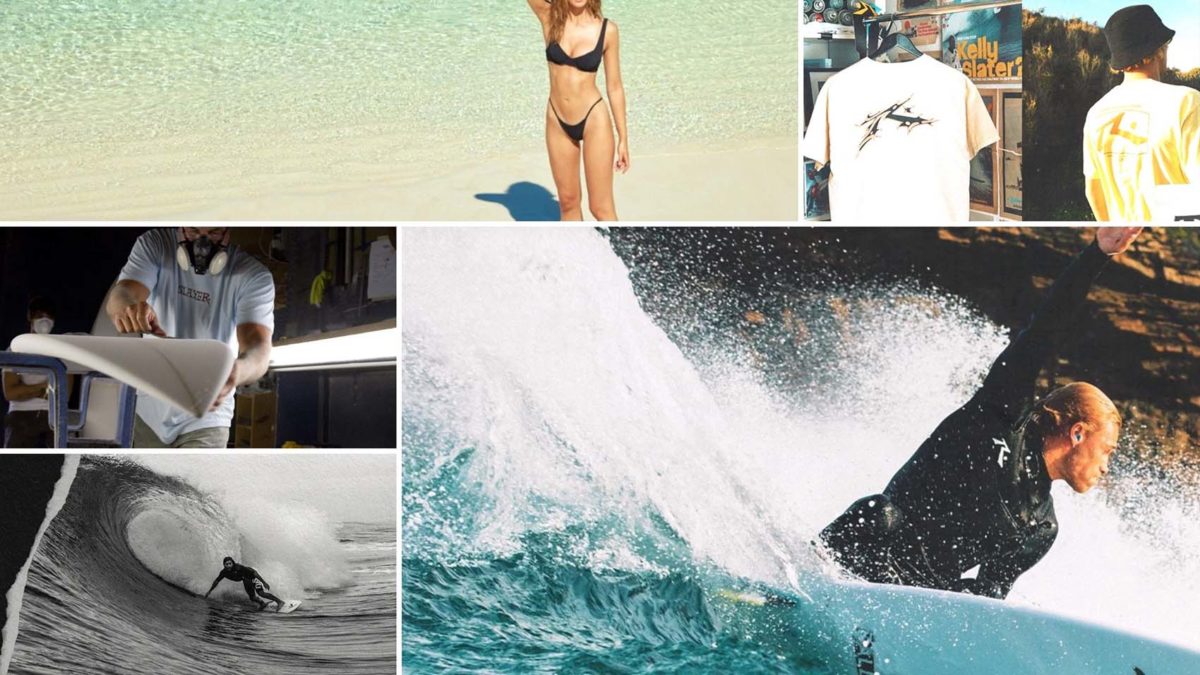
Rusty
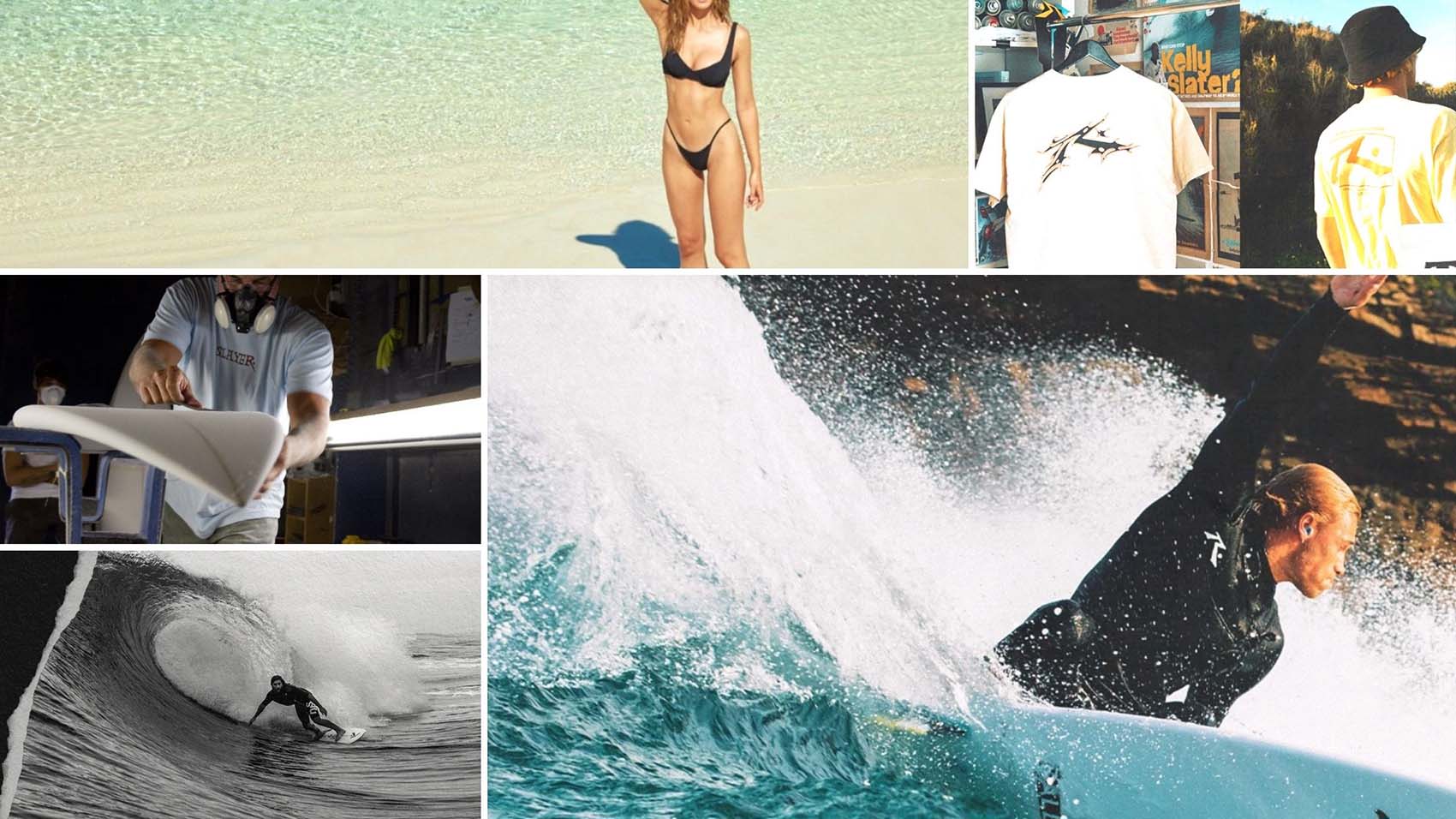
Rusty Preisendorfer started shaping in 1969 and has shaped boards for some of the era's most influential surfers. The brand expanded into apparel in 1985 and rode that wave hard through the 1990s. Today, Rusty is best understood as a surfboard label first, with apparel as a complementary side — the boards remain credible and the shaping legacy is intact.
Read on Surfd
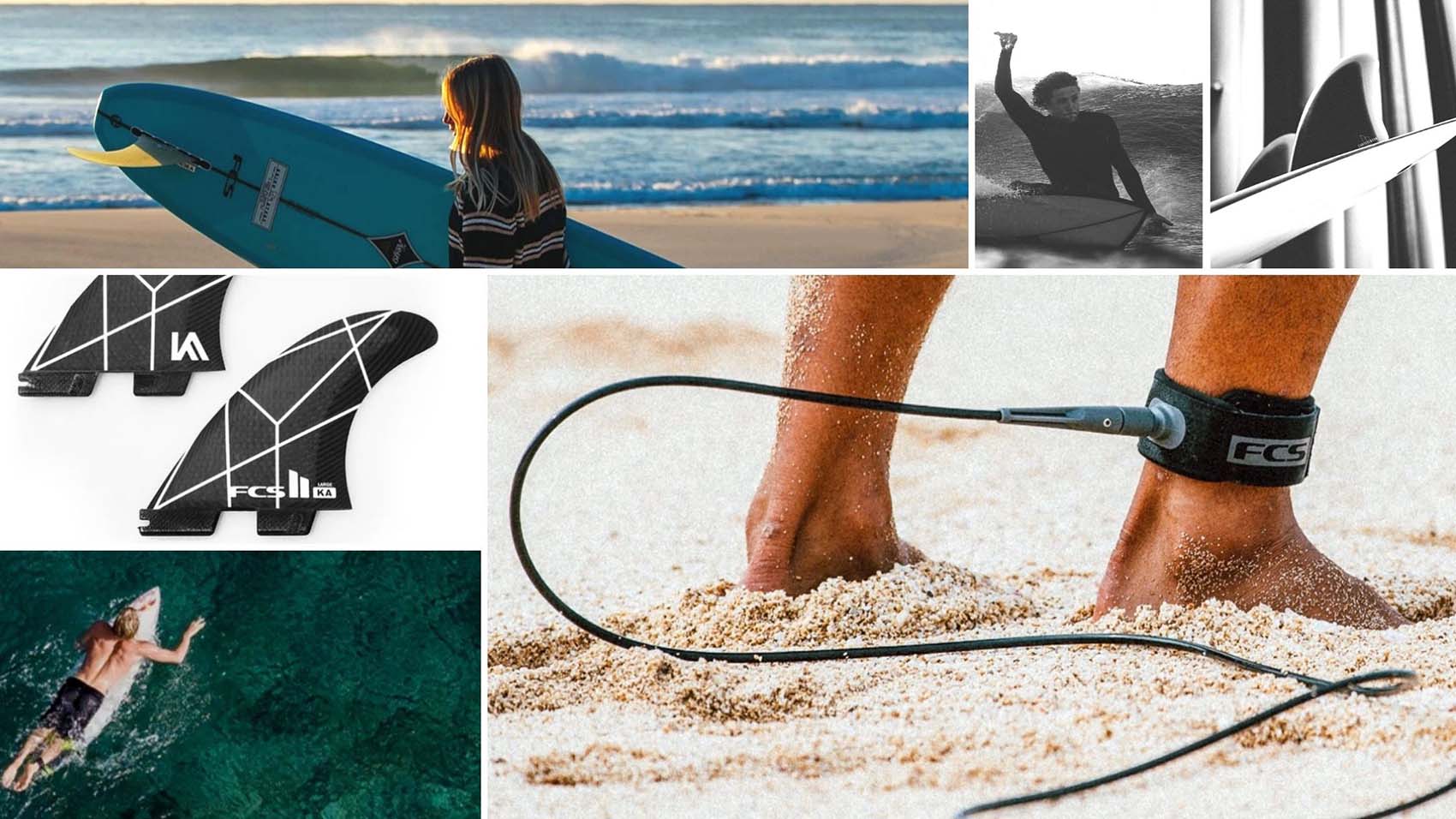
FCS
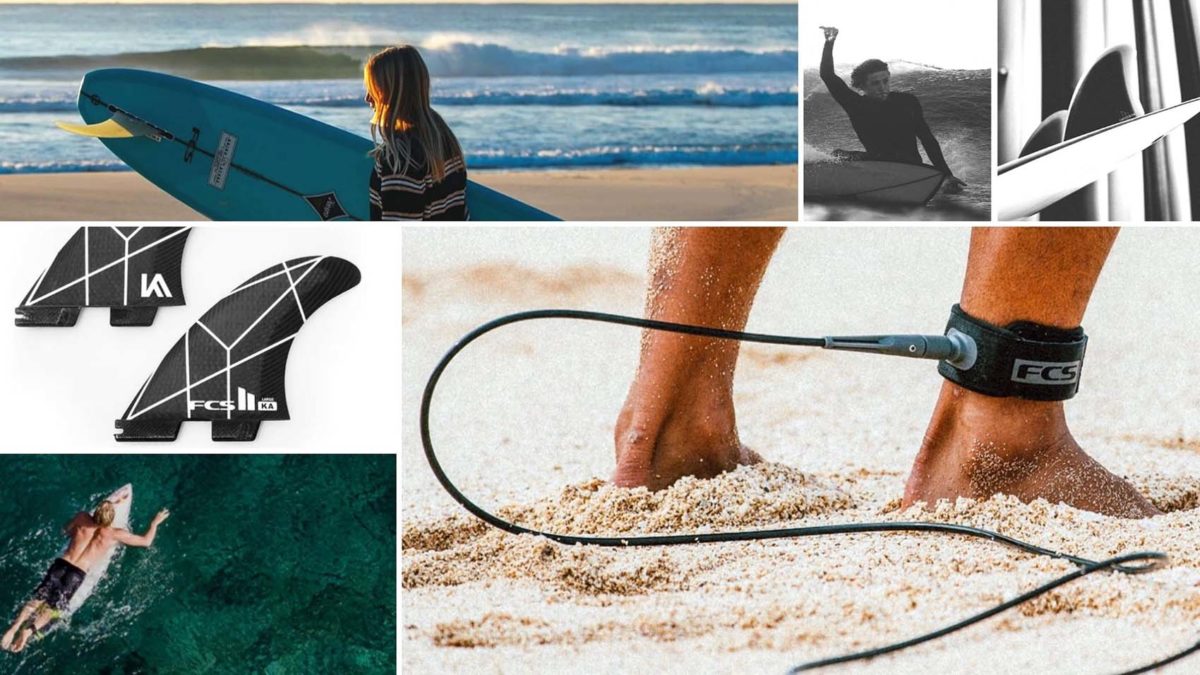
FCS launched its plug-and-tab fin system out of Australia in 1992, and it's been the dominant fin platform ever since. The FCS II system (released in 2013) eliminated the need for screws — a small but real piece of design intelligence. The fin range now covers everything from grovelers to big-wave guns, with athlete signature templates from Mick Fanning, Filipe Toledo, and Carissa Moore.
Read on Surfd

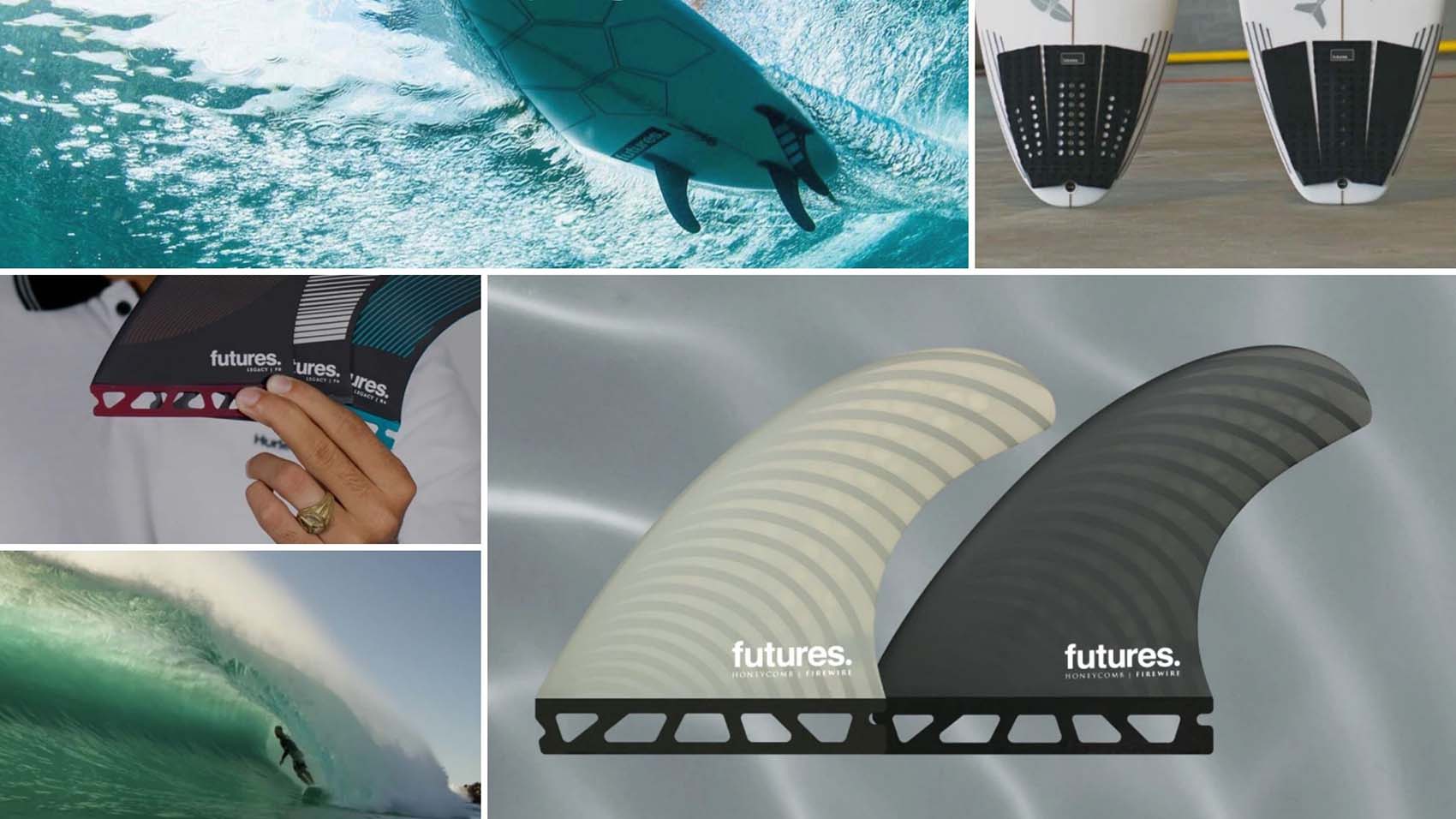
Futures Fins
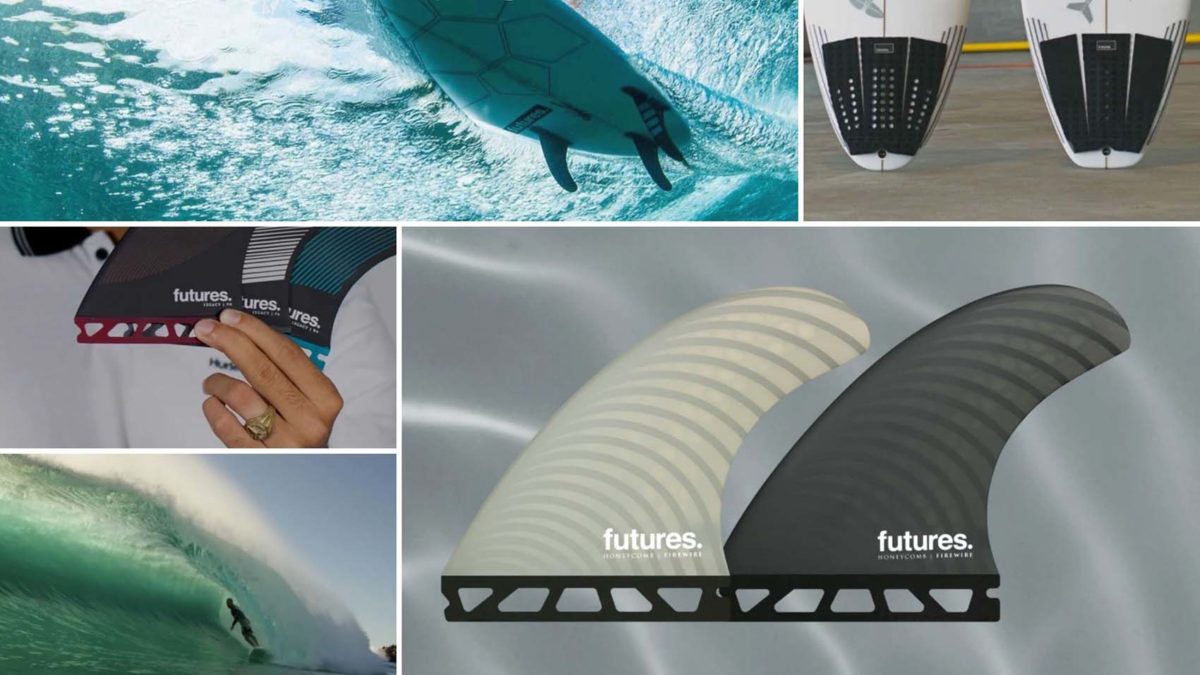
Futures launched in California in 1996 with a single-tab fin box system and has been the main alternative to FCS ever since. The system holds fins more rigidly, which translates to a slightly different feel on rail. John John Florence, Rob Machado, and Kanoa Igarashi all ride Futures templates. Most modern surfboards now ship with one or the other system — the rivalry has driven both companies to genuinely better products.
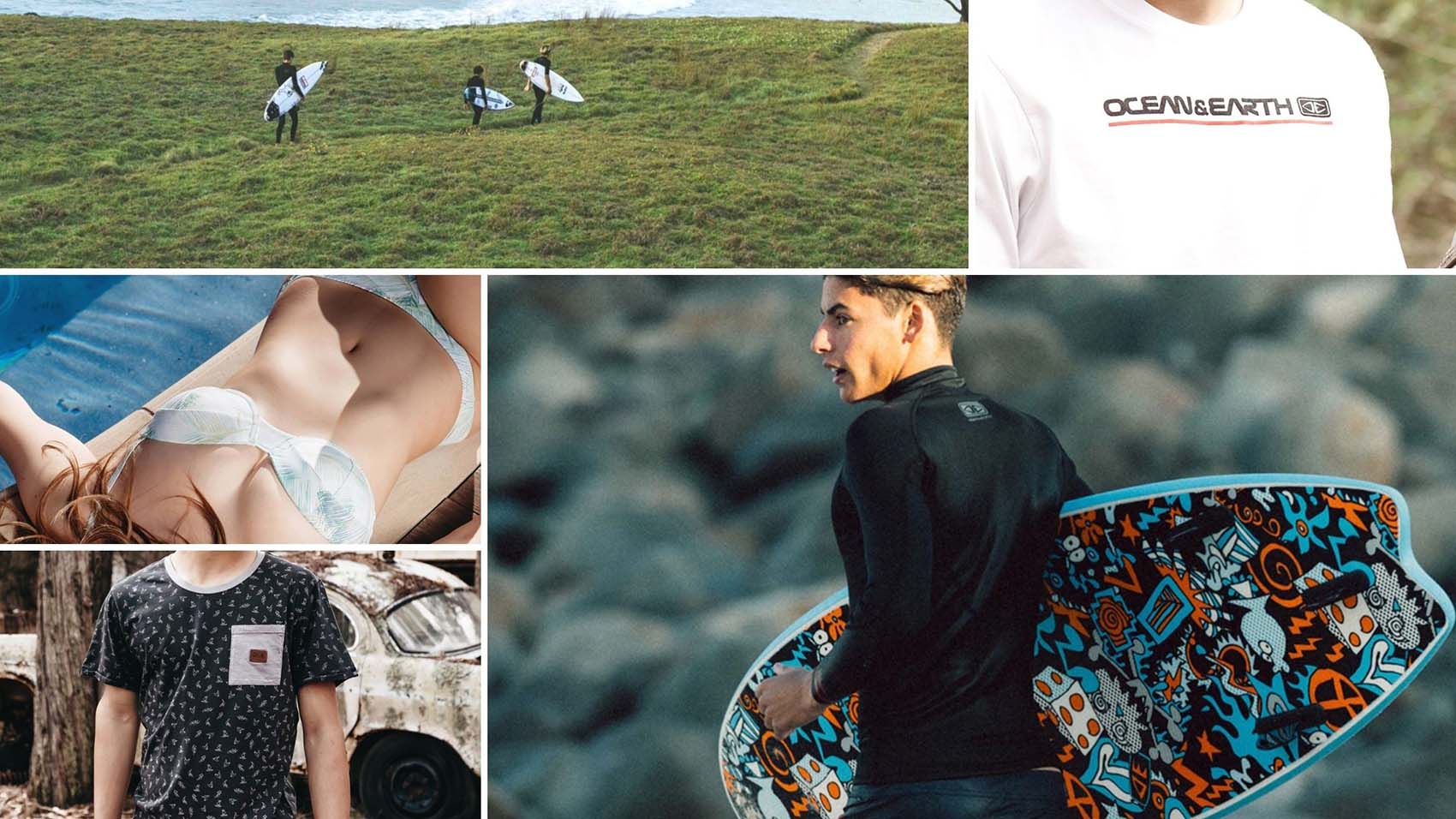
Ocean & Earth
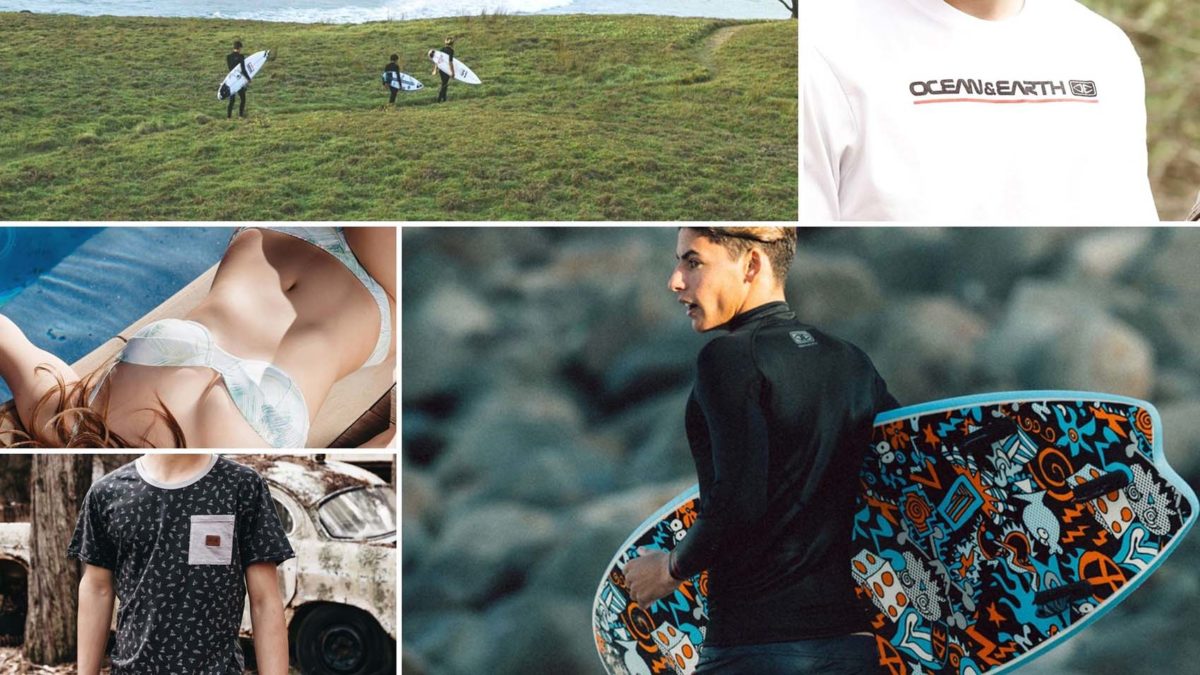
Ocean & Earth has been making leashes, board bags, deck grips, and roof racks out of Sussex Inlet, NSW since 1978. The Olympic-spec leashes are some of the best on the market, and the double-coffin board bag is a staple for anyone traveling with more than one board. Quiet, reliable, and never overpriced — the kind of brand surfers come back to.
Read on Surfd
Surflogic
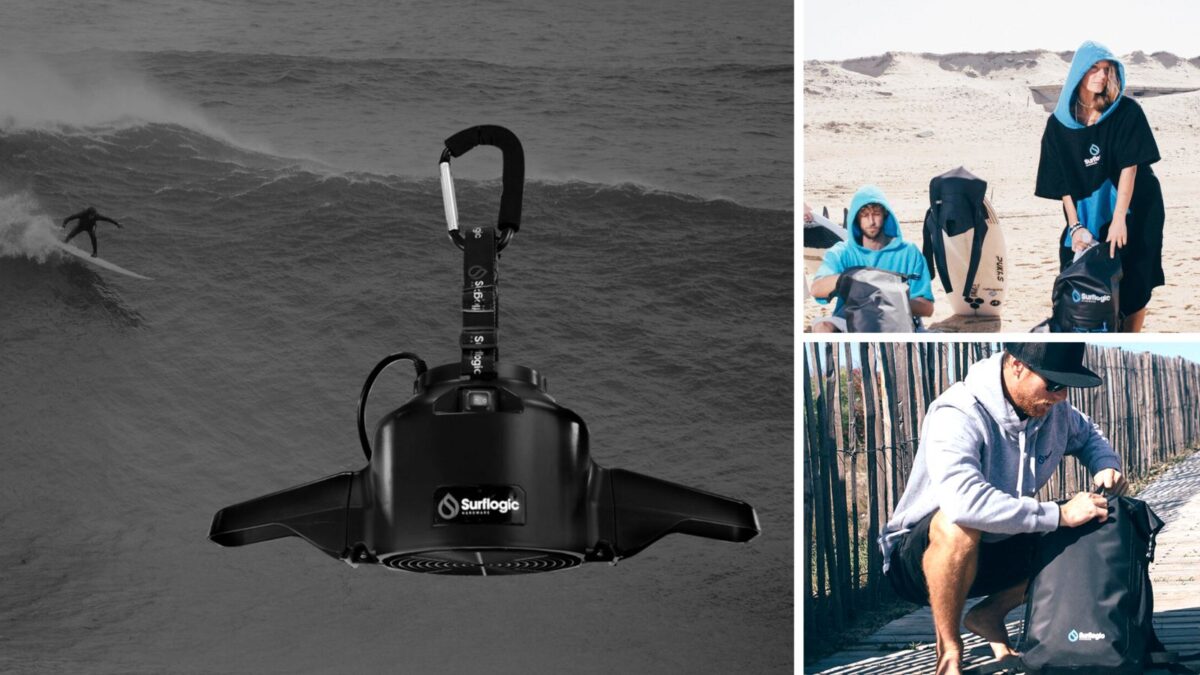
Surflogic is the brand we recommend without hesitation for the everyday gear most surfers ignore until it fails — wetsuit hangers, dryers, and key safes. The Wetsuit Pro Dryer is genuinely transformative for cold-water surfers and is the single best non-board piece of gear we tested in the last three years. Established in 2005, distributed globally.
Read on Surfd
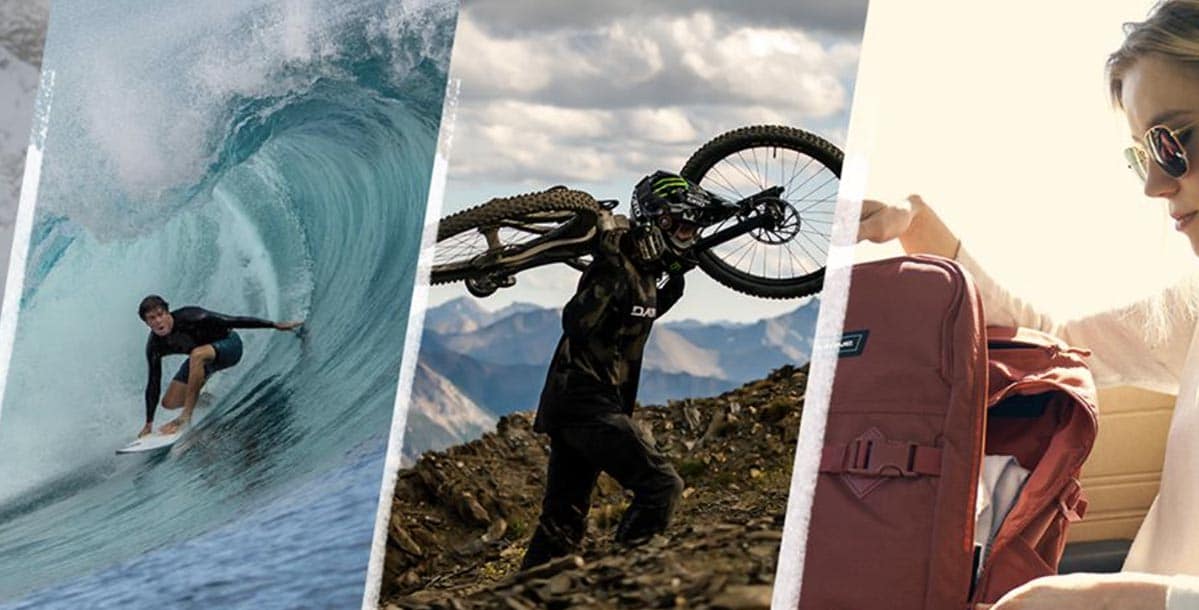
Dakine
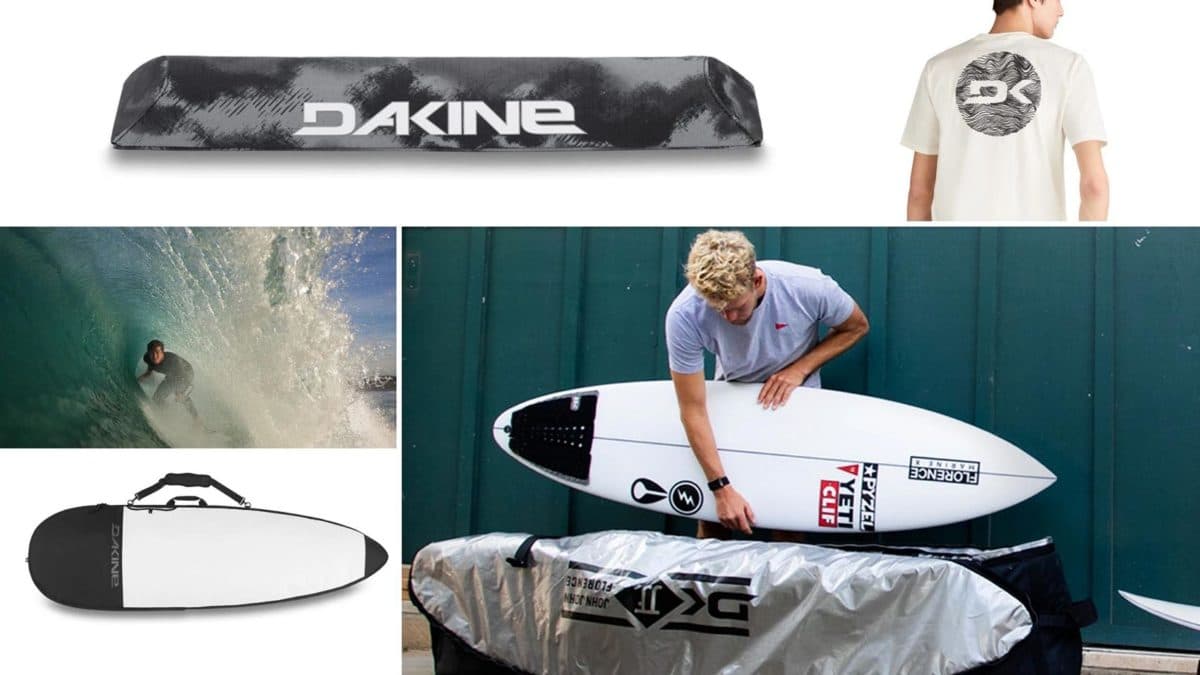
Founded in 1979 on Maui, Dakine moved to Hood River, Oregon in 1986 and has been the gear-bag standard for surf, snow, and outdoor travel ever since. The "Da Kine" (Hawaiian pidgin for "the best") board bags, backpacks, and travel gear have held up across decades of abuse. Acquired by Marquee Brands in 2020.
Read on Surfd
Nixon
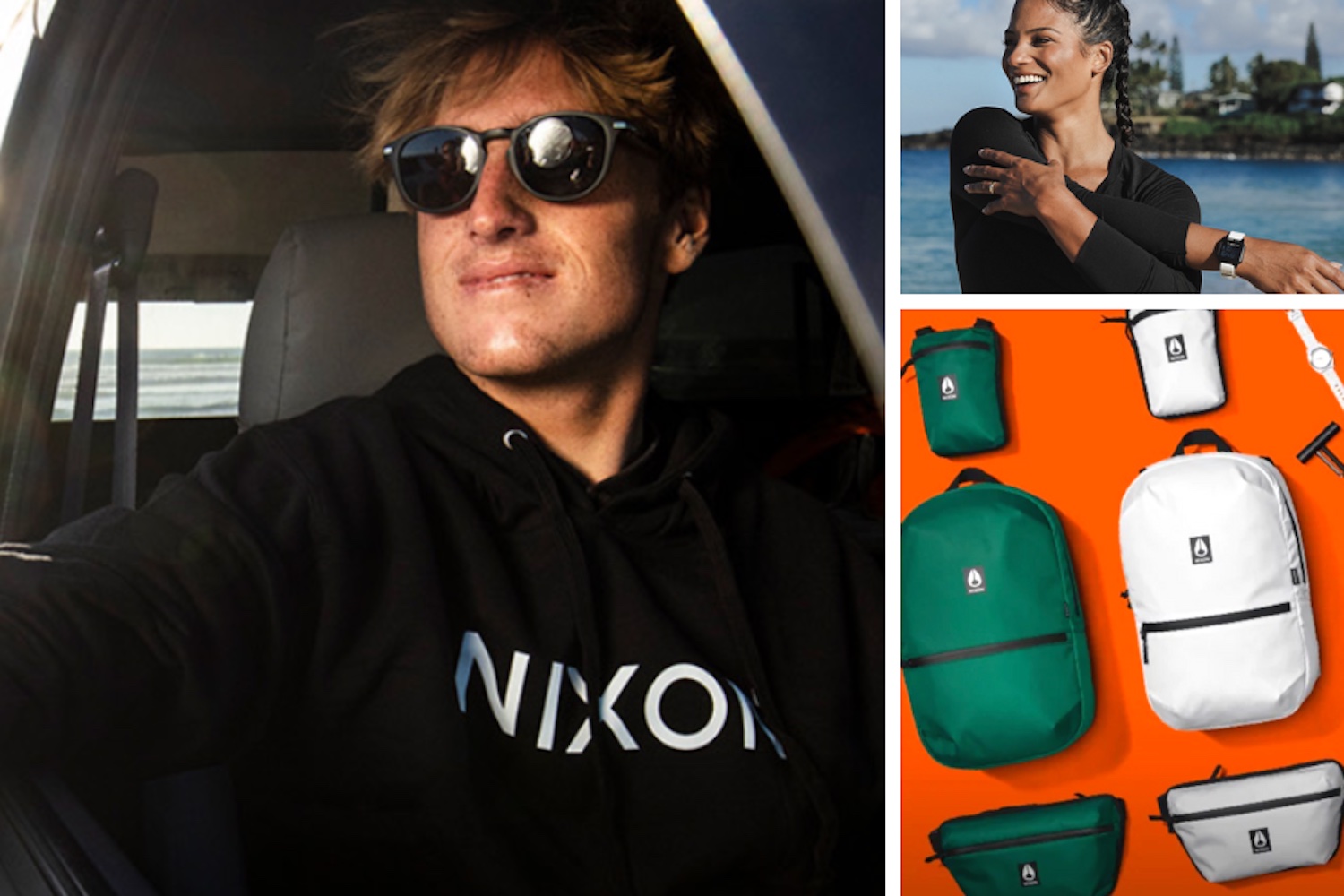
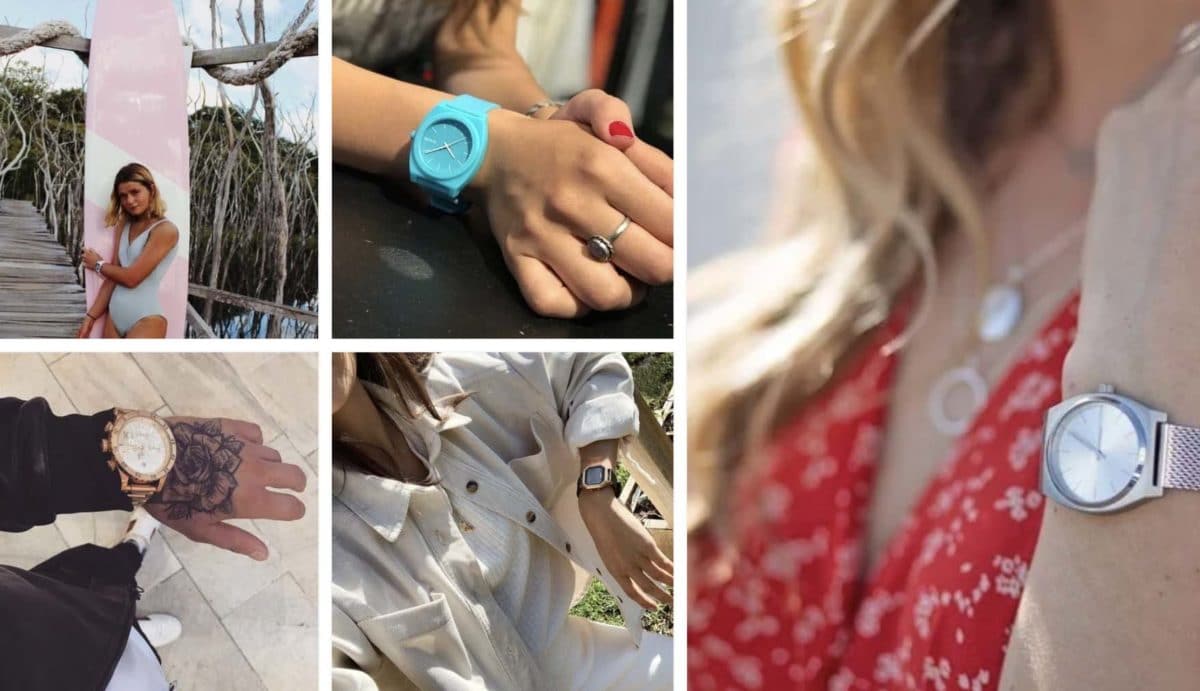
Nixon launched in 1998 with custom-built watches sold only in surf and skate retail. The brand still does watches better than almost anyone in the action sports world — the surf-specific Heat and the long-running Mission smartwatch are both legitimately well-engineered tools, not just lifestyle pieces. Now distributed in 90+ countries.
Read on Surfd
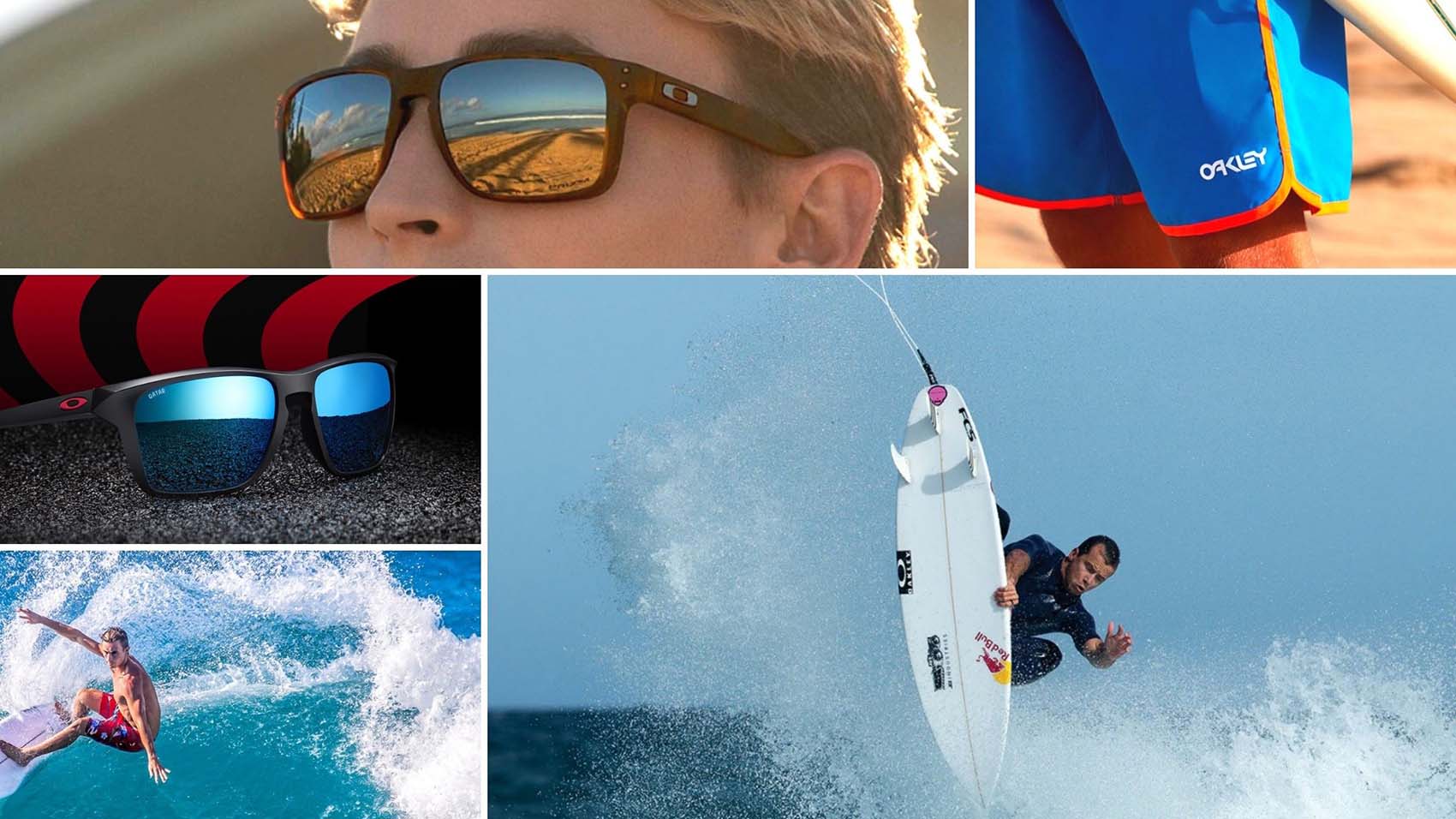
Oakley
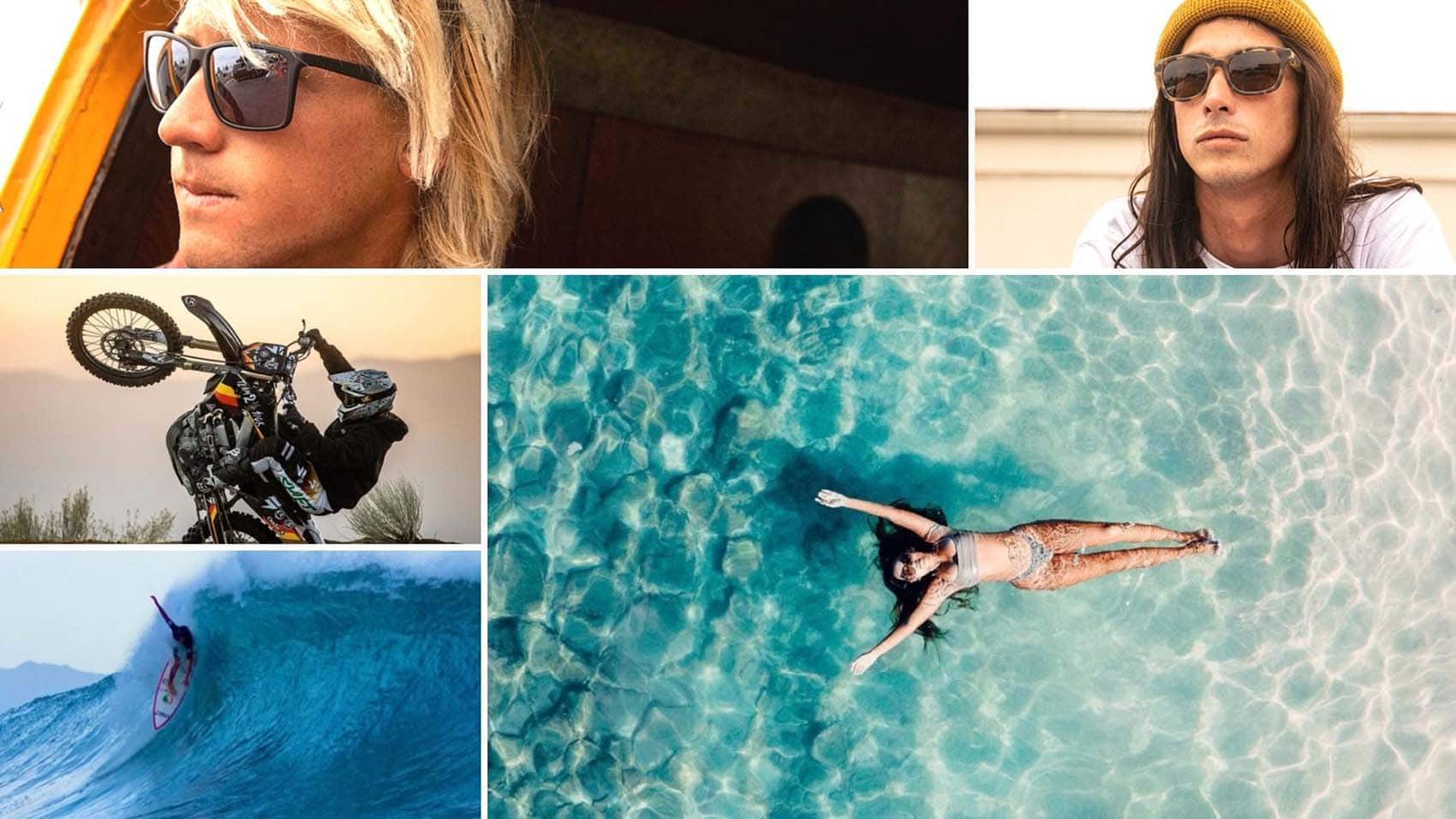
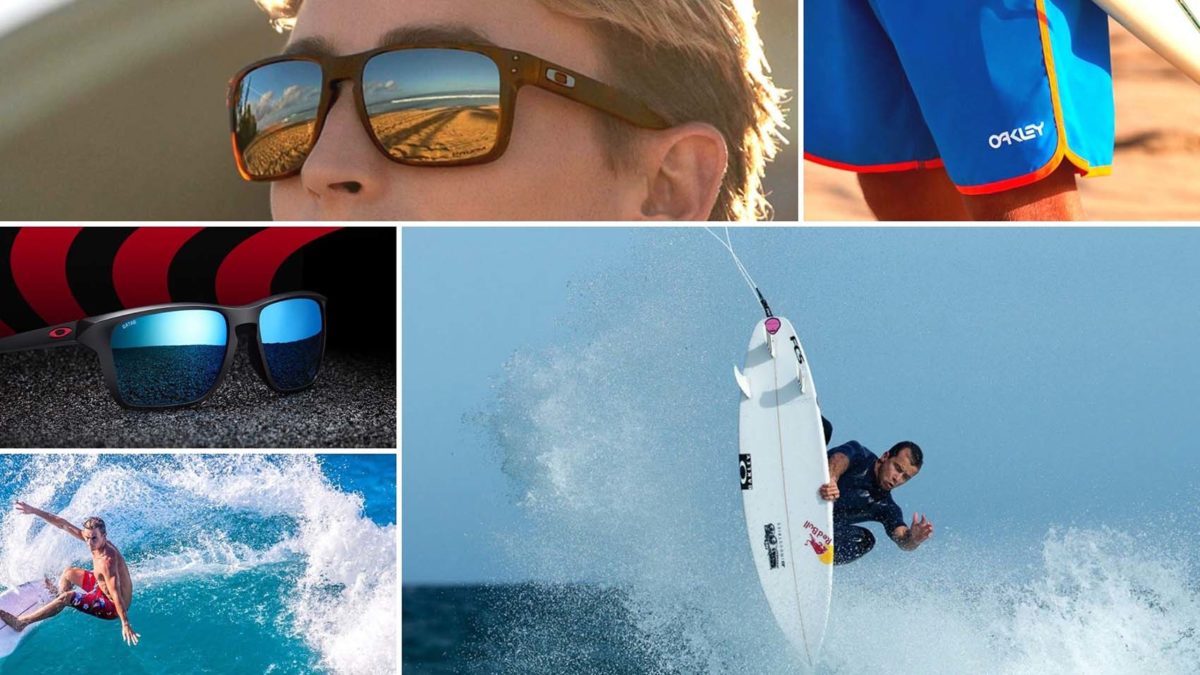
Oakley's Prizm lens technology has been a quiet revolution for surf — Prizm Deep Water specifically helps you read wave shape and shadow in a way standard polarized lenses can't. The brand has been part of the EssilorLuxottica group since 2007, and the surf-specific eyewear pipeline has stayed strong even as the brand has grown well beyond action sports.
Read on Surfd
Von Zipper
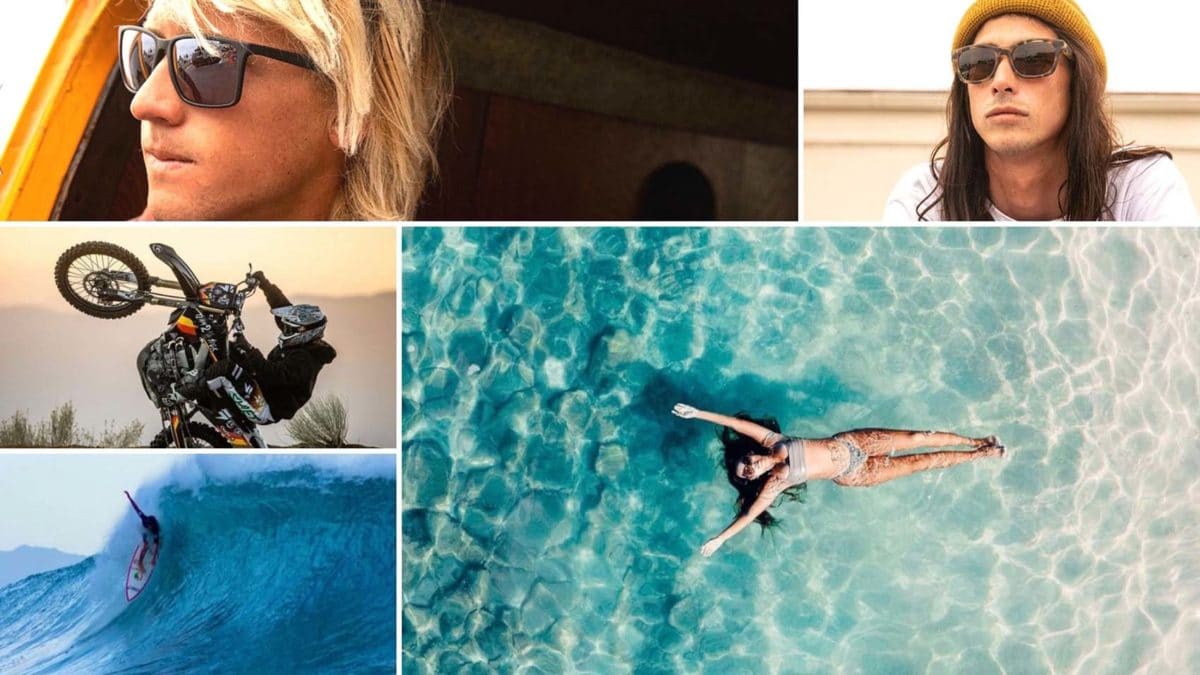
Von Zipper launched in 2000 as Roxy's sister eyewear brand, then carved out its own identity under the Boardriders umbrella. Now part of the Authentic Brands Group portfolio, the brand has lost some of the edge it had in the mid-2000s, but the goggles still rate well for snow and the surf range maintains a steady following.
Read on Surfd
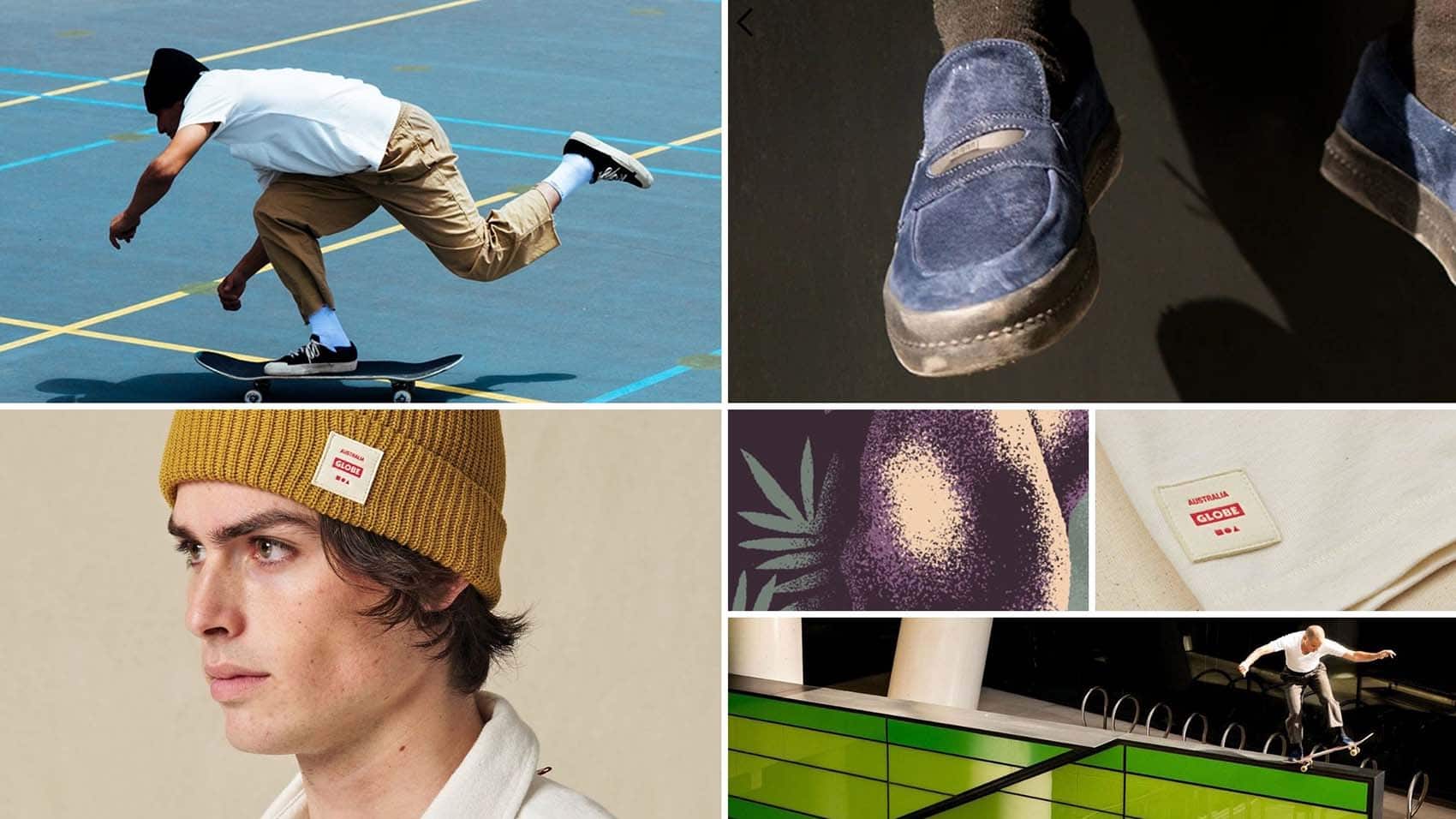
Globe
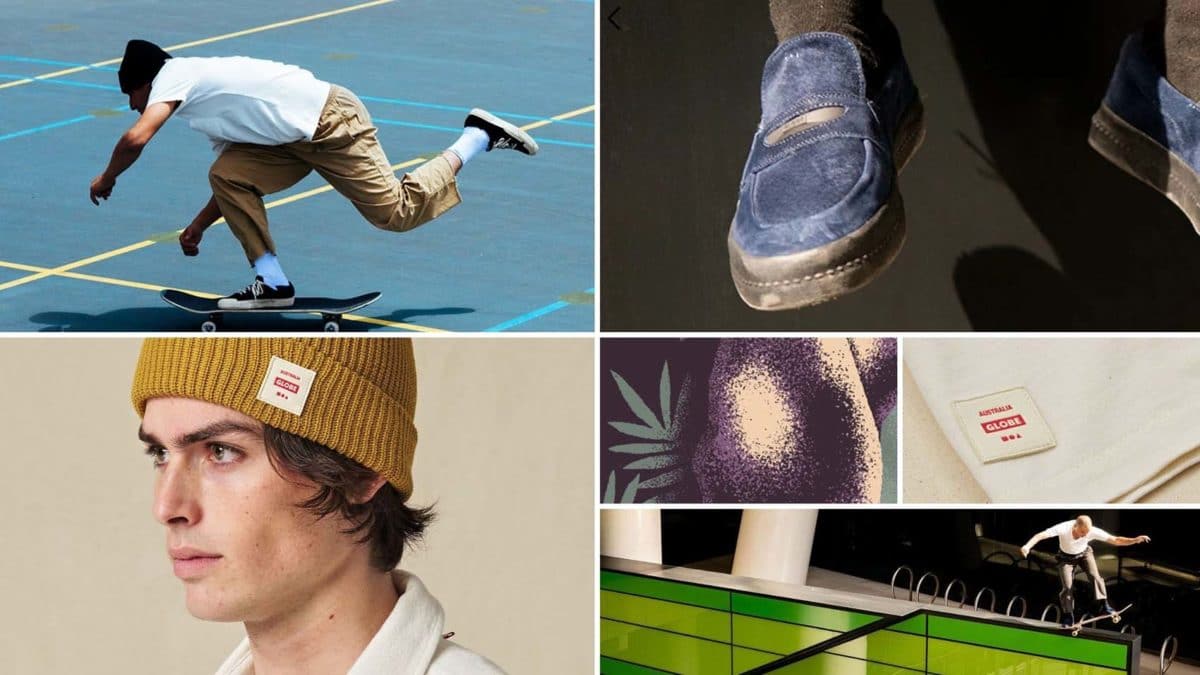
Globe International was launched in 1985 by Australian brothers Peter, Stephen, and Matt Hill, and remains family-controlled and ASX-listed — an increasingly rare structure in this industry. Apparel, footwear, and skate hard goods are the core product. Globe has also been responsible for some of the most distinctive surf and skate films of the last two decades, including the Strange Rumblings in Shangri La series.
Recently of note: Globe has partnered with Shawn Stussy on the revived S/DOUBLE brand — Stussy's most personal label since he left the brand bearing his name back in 1996.
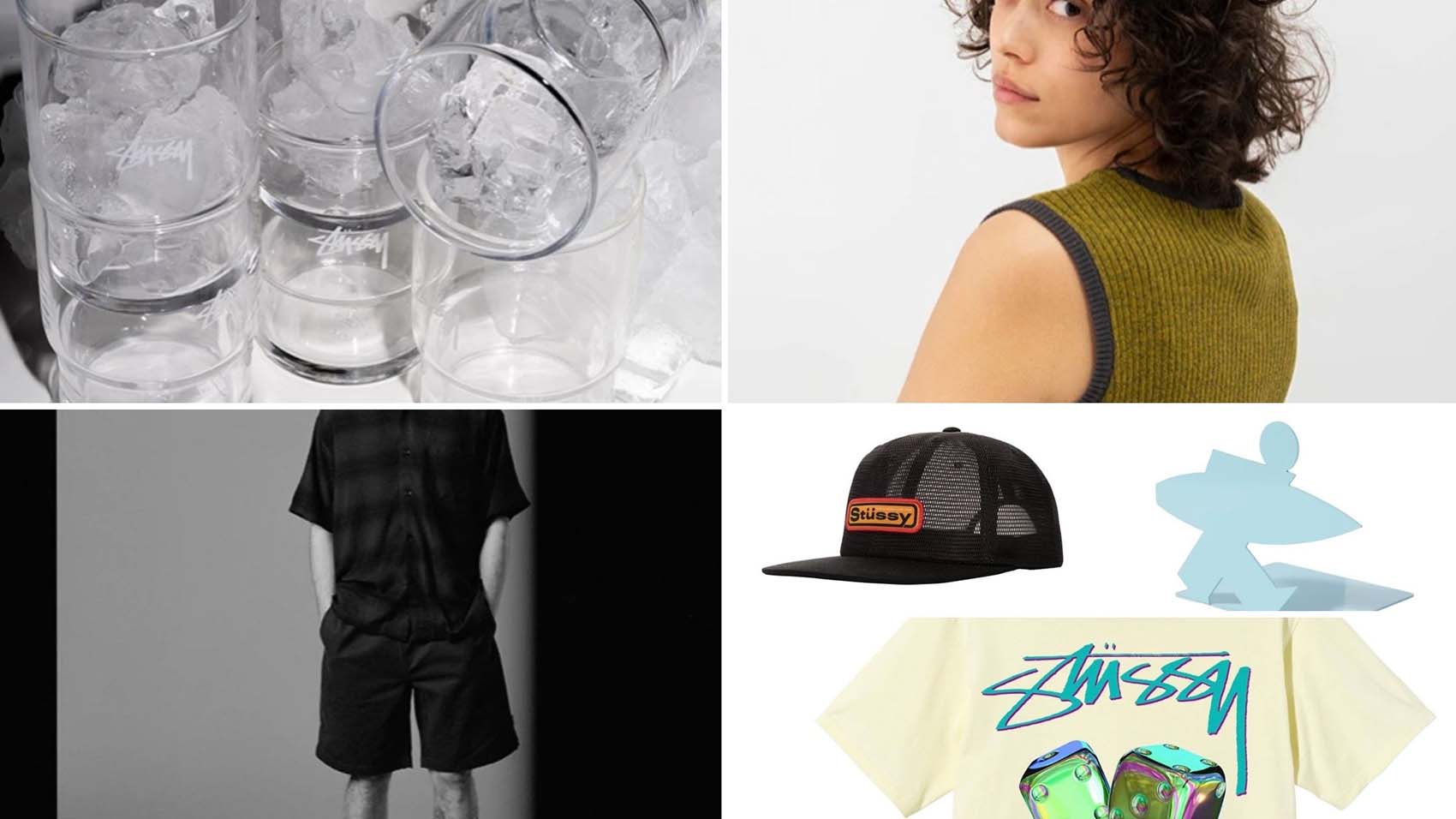
Stüssy
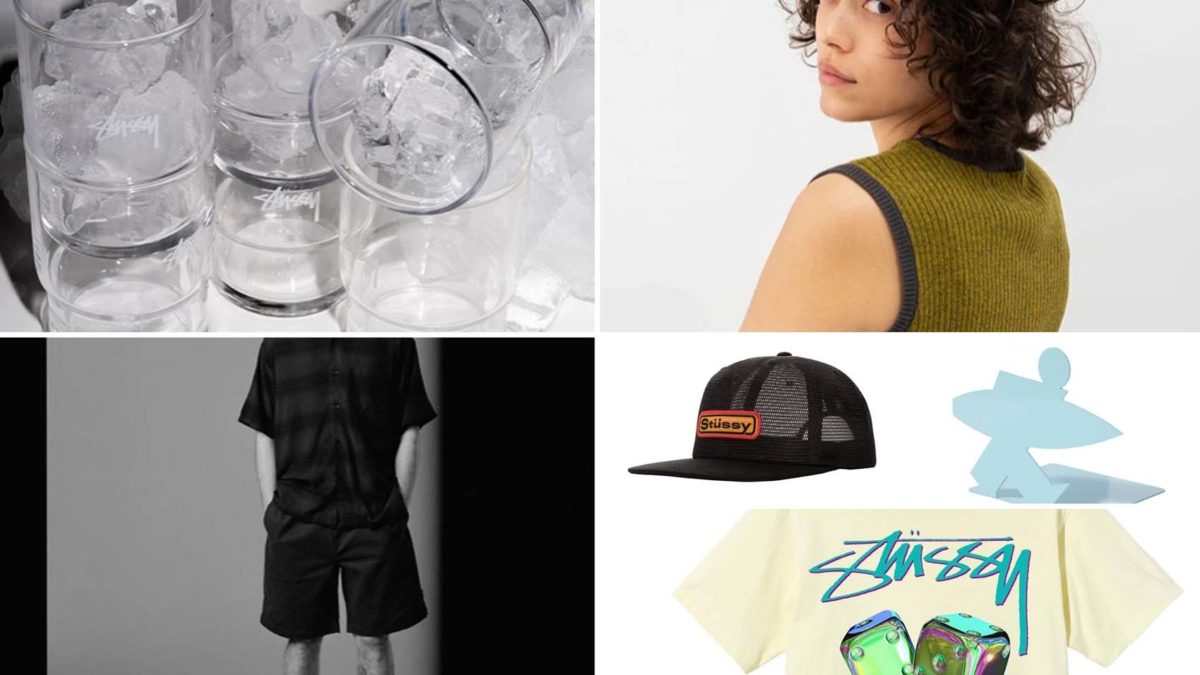
Shawn Stussy started shaping surfboards in Laguna Beach in the early 1980s and signed each one with the now-iconic graffiti scrawl. The clothing came next, and Stüssy effectively invented modern streetwear in the process — the International Stussy Tribe model became the template for every "drop culture" brand that followed.
Shawn left the brand in 1996 (it's now owned by the Sinatra family), but the cultural relevance has never faded. The 2020 Dior collaboration with Kim Jones, Nike Air Force 1 collabs, and continued Japanese-market dominance keep Stüssy at the front of the streetwear conversation. The surfboard heritage is still in the DNA, even if most current customers don't surf.
Read on Surfd
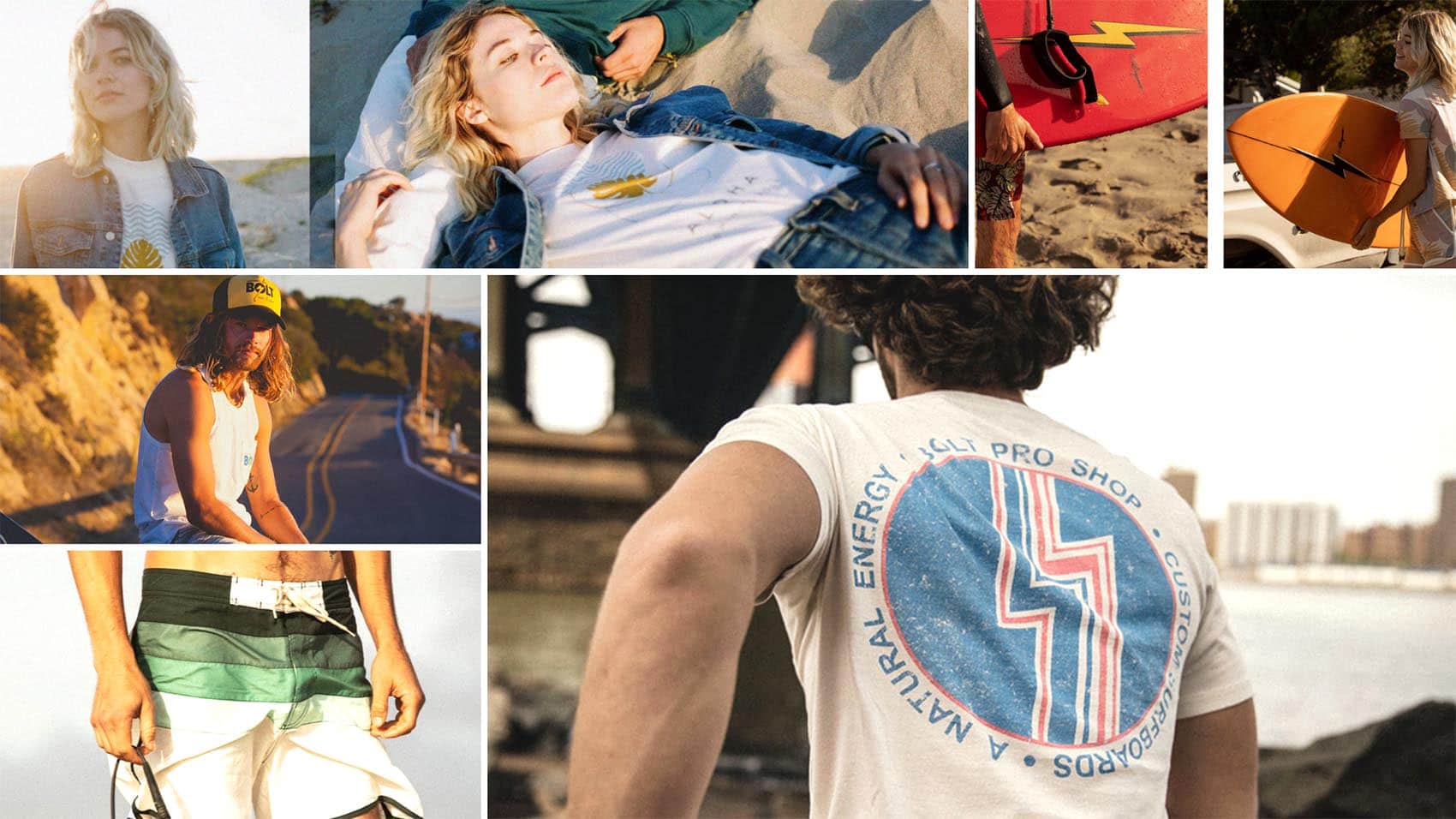
Lightning Bolt
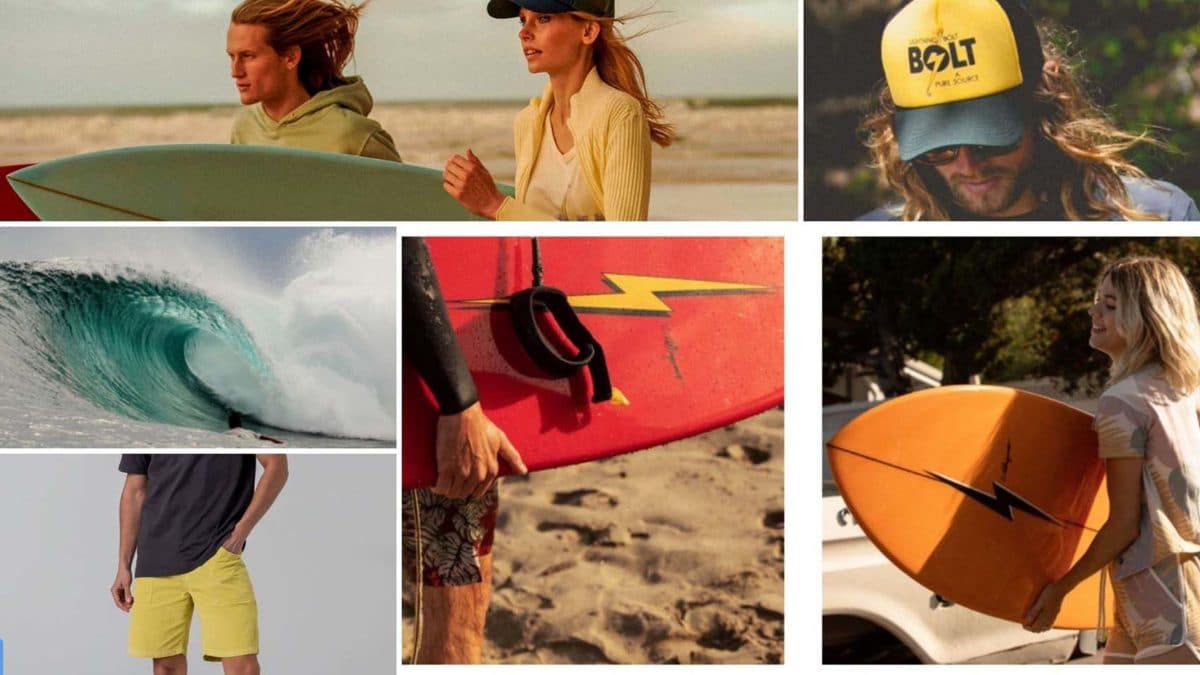
Gerry Lopez and Jack Shipley founded Lightning Bolt in Hawaii in 1971, and the Bolt logo became the defining symbol of 1970s surfing — Pipeline, North Shore, Lopez gliding through tubes that nobody else dared to enter. The brand effectively disappeared in the late 1980s and was revived in Europe in the 2000s, where it remains active today as a heritage brand with credible product across boards, apparel, and accessories.
Read on Surfd
Howler Brothers
Chase Heard and Andy Stepanian founded Howler Brothers in Austin, Texas in 2009 — named for the howler monkey calls they remembered from surf trips to Costa Rica. The brand sits at the intersection of surf, fly-fishing, and Gulf Coast outdoor culture, and produces some of the best dry-land surf shirts on the market. Cotton snap-front shirts, technical fishing layers, and apparel built for actually wearing rather than posing.

The State of Surf Brands in 2026
If there's a pattern in everything above, it's this: the brands that have done best in the last decade are the ones that stayed close to actual surfers. Patagonia, Outerknown, Florence Marine X, Channel Islands, Xcel, Surflogic, Vissla, TCSS — none of them have followed the licensing-and-mall-store playbook that took down Quiksilver, Billabong, Volcom, and RVCA.
The brands that ended up as licensing properties under Authentic Brands Group still exist, and there's no question they retain heritage value. But the energy in the industry has moved elsewhere — toward founder-led brands, sustainability-first players, and indie labels that don't need to be the next billion-dollar exit.
That's good news for surfers. There's never been more good gear to choose from, and the brands making it now mostly care about the same things you do: durability, performance, environmental impact, and not looking like a walking billboard.
If you think we've missed a brand worth featuring, get in touch. We update this guide regularly.
Explore every brand
Go deeper on the brands behind the boards — 35 individual profiles.